Common Beehive Problems
Common Beehive Problems: What to Look For and How to Respond
Every beekeeper runs into problems sooner or later.
Some are small and easy to fix. Others can escalate quickly if they are missed or misunderstood. The challenge is not just spotting that something is wrong. It is knowing what the signs mean, how urgent the issue really is, and what to do next.
This page is designed to help with exactly that.
It brings together the most common beehive problems backyard beekeepers face, from weak colonies and wasp attacks to queen issues, swarm pressure, food shortages, and aggressive hive behaviour. The goal is not to overcomplicate things. It is to help you recognise patterns, stay calm, and make better decisions in real conditions.
Why Beehive Problems Are Often Misread
One of the hardest parts of beekeeping is that different problems can look similar at first.
A weak hive may look quiet because it is calm, or because it is struggling. A strong hive may look aggressive because it is healthy and defensive, or because something inside the brood nest is wrong. Wasps around the entrance might be a passing nuisance, or they might be the first sign that a nuc is in serious trouble.
This is why context matters.
You are rarely looking for one sign in isolation. You are looking at the whole picture:
- Hive strength
- Brood pattern
- Food stores
- Behaviour at the entrance
- Pest pressure
- Season and weather conditions
The more of these pieces you understand together, the easier it becomes to work out what is really happening.
Weak Hives and Why They Struggle
Weak hives are one of the most common problems in backyard beekeeping.
A colony can become weak for several reasons. It may have lost population through winter, failed to replace a queen properly, suffered ongoing wasp pressure, or simply fallen behind during a difficult stretch of weather.
Weak hives are vulnerable because they do not have enough bees to do everything well at once. They may struggle to defend the entrance, protect comb, raise brood, store food, and regulate temperature all at the same time.
That is often when other problems begin to stack up.
Wasps Took Over This Nuc… I Had to Open It and Find Out Why
Wasps are often a symptom of weakness rather than the original cause of a problem. When they start moving freely in and out of a nuc hive, it usually means the colony is under pressure and struggling to defend itself properly. This video is useful for understanding what wasp pressure looks like in a small hive and why weak colonies are so vulnerable during warmer months. It also shows the importance of checking inside rather than assuming the issue is only at the entrance. External pressure nearly always connects back to internal strength.
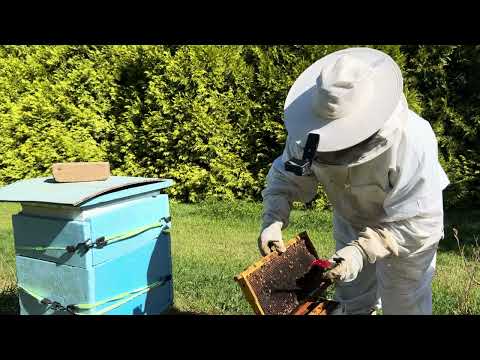
Read more about wasps attacking a weak nuc hive
I Saved This Weak Hive Using a Strong Colony (Here’s Exactly How)
When a hive becomes weak, the best solution is often not to wait and hope it recovers on its own. In some cases, it needs help immediately. This video shows a practical method for reinforcing a weak colony using resources from stronger hives, including brood, food, and support bees. It is a strong example of how thoughtful intervention can stabilise a struggling hive before the damage becomes irreversible. If you are learning when and how to step in, this is a very useful case study in real backyard beekeeping management.
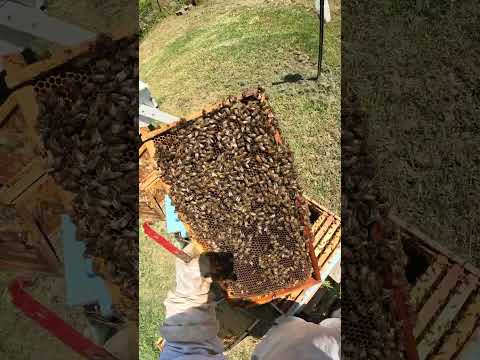
Read more about reinforcing a weak hive
Queen Problems and Brood Issues
If there is one area that causes the most uncertainty for newer beekeepers, it is queen status.
A hive can still look busy and productive on the surface while something is going badly wrong inside the brood chamber. That is why eggs, larvae, and brood pattern matter so much.
If you are not seeing fresh eggs, very young larvae, or a healthy spread of worker brood, it may point to a queen problem. The hive may be queenless, requeening, carrying a failing queen, or not building properly for some other reason.
This is where inspections become especially important. A brood box tells the real story of the colony.
I Opened My Strongest Hive… Then Something Was Seriously Wrong
One of the most unsettling moments in beekeeping is opening a hive that looks strong on the outside, only to find something is clearly wrong once you reach the brood box. This inspection is a good example of why brood matters more than surface activity. The hive is busy, productive, and full of bees, but the real warning signs appear where it matters most. If you are trying to understand what a queenless hive can look like, or why a strong colony can still be in trouble, this is a very useful place to start.
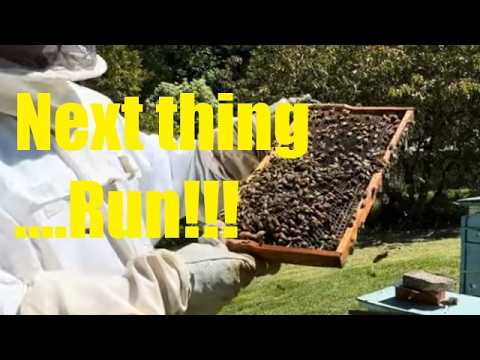
Read more about the signs of a queenless hive
Swarm Pressure and Queen Cells
Strong hives do not just produce honey. They also create pressure.
When a hive grows quickly, runs short on space, or becomes crowded in the brood nest, the bees may begin preparing to swarm. This is a natural part of colony behaviour, but for the beekeeper it often means more management is needed.
Queen cups, queen cells, drone brood, congestion, and rapid population growth can all be clues that a hive is moving toward swarm mode.
Not every queen cup means disaster. Not every queen cell means the swarm has already started. But these are signals worth paying attention to.
Are My Bees About to Swarm? What I Found Inside This Hive
Swarm preparation is one of the most common hive problems beekeepers face in spring and summer, but it rarely begins with one obvious sign. Instead, it builds through pressure, congestion, and changes inside the brood box. This video is helpful because it shows what those early warning signs can look like in a real inspection. If you are trying to understand swarm risk, queen cups, brood pressure, and why space management matters so much, this is a solid example of how a strong hive can move toward swarming surprisingly quickly.
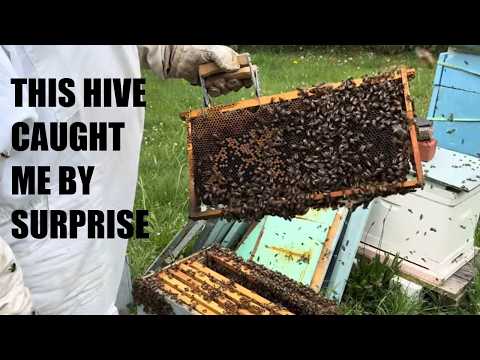
Read more about early swarm signs in a hive
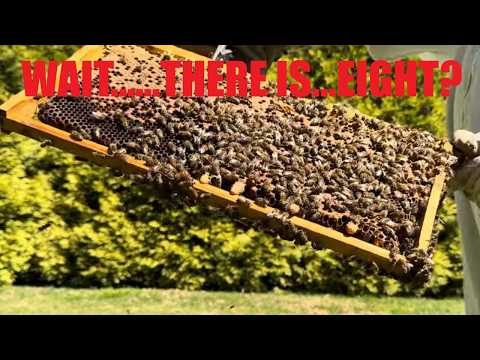
I Tried to Save This Hive… Then I Found 8 Queen Cells
Finding queen cells can mean very different things depending on the condition of the hive, but finding eight at once tells you the colony is in a serious transition. This video shows what can happen when a hive is already under pressure and the bees move into emergency queen rearing mode. For beginner and intermediate beekeepers, it is a useful lesson in reading queen cells in context rather than reacting to them in isolation. It also shows how quickly one problem can turn into another if the hive is not managed carefully and at the right time.
Read more about finding multiple queen cells in a troubled hive
I Turned a Queenless Hive Into a Brand New Colony (Here’s How)
Not every hive problem needs to end in loss. Sometimes a setback creates an opportunity if you understand what the bees are doing and respond early enough. This video shows how a queenless hive with multiple queen cells can be turned into something useful by splitting resources and creating a new colony. It is a practical example of problem solving in real conditions, and it is especially helpful if you are trying to understand how beekeepers use queen cells, brood, and timing to turn instability into growth rather than collapse.
Read more about turning a queenless hive into a new colony
Wasps, Wax Moth, and Outside Pressure
Not all hive problems begin inside the colony.
Sometimes the real issue comes from outside pressure.
Wasps are a good example. They do not usually target the strongest hive in the yard. They look for weakness. Small nucs, underpopulated colonies, or hives under stress are far more likely to be attacked. Once wasps discover an easy target, the pressure can become relentless.
Wax moth works in a similar way. It is usually not the original cause of the problem. It takes advantage of weakness that already exists. If a colony cannot protect its comb properly, wax moth damage can accelerate very quickly.
That is why strength matters so much in beekeeping. A strong colony can tolerate and resist far more than a struggling one.
Food Stores, Feeding, and Seasonal Risk
Another common issue is misunderstanding food levels inside the hive.
A hive can be active, full of bees, and still short on stores. Nectar flows can change fast. Conditions that looked promising a week ago may no longer be supporting the colony. Some hives build quickly. Others consume just as quickly.
Learning to judge food reserves properly is one of the most useful skills a beekeeper can develop. It affects whether you feed, whether you harvest, whether you leave a hive alone, and whether a colony is truly safe heading into colder weather.
Feeding is not always necessary, but when it is needed, timing matters.
Aggressive or Defensive Hive Behaviour
Sometimes the problem is not what you see on a frame, but how the hive reacts when you open it.
Defensive behaviour can tell you a lot. A hive may become more reactive because of weather, hive strength, brood disturbance, queen issues, or repeated pressure from pests or predators. In some cases, it is simply the natural personality of that colony. In others, it is a sign that something deeper is wrong.
The key is learning the difference between a busy hive and a stressed hive, and between a hive that is sharp but manageable and one that is telling you to stop.
Good Beekeeping Is Problem Solving
Beekeeping is rarely about following one perfect formula.
It is about recognising patterns, assessing risk, and responding in ways that support the colony without creating unnecessary stress.
Sometimes the right move is to intervene quickly. Sometimes it is to wait, watch, and let the bees solve the problem themselves. The more experience you build, the more clearly those decisions start to separate.
This page is here to help you make sense of the most common problems, learn what signs matter, and know where to look next when something feels off.
Where to Go Next
From here, you can explore more specific guides and videos on:
- How to tell if a hive is weak
- Signs a hive may be queenless
- How to spot swarm pressure early
- What to do when wasps target a nuc
- How to support or reinforce a struggling colony
- When feeding helps and when it does not
The aim is simple: help you diagnose problems earlier, respond more confidently, and build stronger hives over time.
Final Thoughts
Every hive problem teaches something.
Sometimes the lesson is about timing. Sometimes it is about patience. Sometimes it is about stepping in sooner than you wanted to. But all of it builds understanding.
The more time you spend observing what bees do under pressure, the better you become at helping them through it.


Comments
Post a Comment