Beekeeping For Beginners - Start Here
Beekeeping for Beginners: What You Actually Need to Know
Starting beekeeping can feel overwhelming at first.
There is a lot of advice out there. Some of it is helpful. Some of it is outdated. And some of it makes things far more complicated than they need to be.
This page is designed to simplify things.
It focuses on what actually matters when you are starting out. Not theory. Not perfection. Just practical, real world beekeeping that helps you build confidence and avoid common mistakes.
What Beekeeping Is Really About
At its core, beekeeping is not about controlling bees.
It is about understanding them.
Every hive is different. Every season brings new challenges. The goal is not to force outcomes, but to recognise what is happening inside the hive and respond appropriately.
Good beekeeping is built on observation, patience, and small, consistent decisions.
What You Actually Need to Get Started
You do not need a complex setup to begin.
A simple, practical kit will take you a long way:
- A hive (Langstroth or long Langstroth are common starting points)
- A smoker to keep bees calm during inspections
- A hive tool for opening boxes and handling frames
- Protective gear such as a suit, veil, and gloves
That is enough to begin learning.
Everything else can come later as your experience grows.
How to Light a Smoker Properly
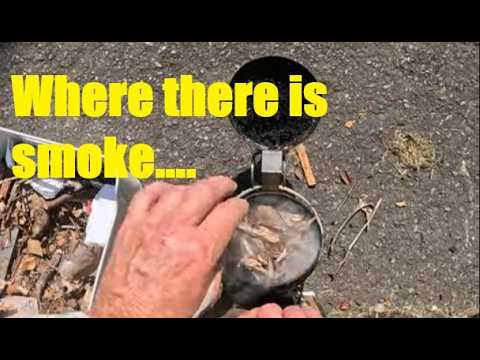
Read more about lighting a smoker properly
Learning How to Open and Inspect a Hive
One of the most important early skills is learning how to inspect a hive properly.
This is not about rushing through frames.
It is about knowing what to look for:
- Are there eggs and larvae present?
- Is brood consistent and healthy?
- Are there enough food stores?
- Is the hive calm or defensive?
Each inspection tells a story.
The more you observe, the easier it becomes to read that story.
Your First Spring Inspection
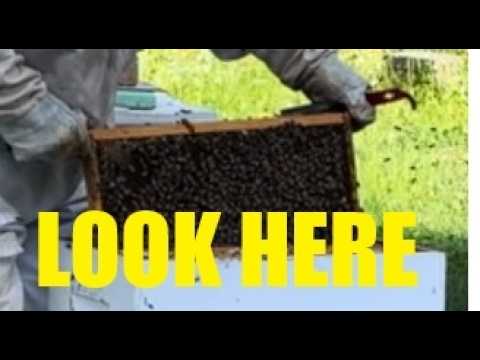
Read more about your first spring inspection
What Real Hive Inspections Actually Look Like
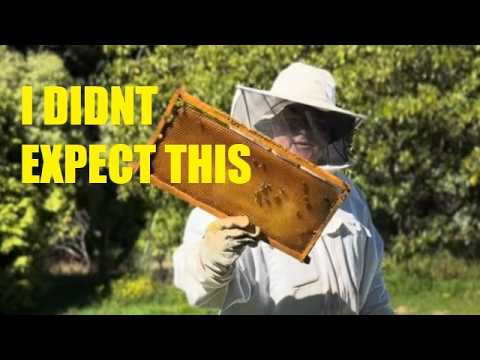
Read more about real hive inspections
How to Inspect a Long Langstroth Hive
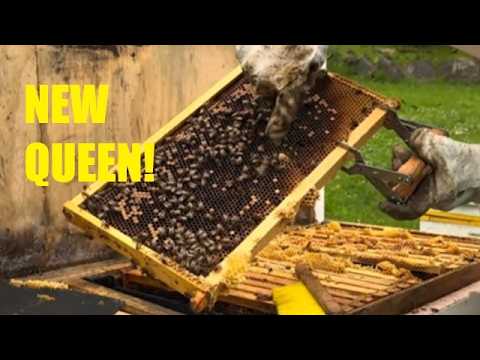
Read more about long Langstroth inspections
Understanding Hive Placement
Where you place your hive matters.
Sunlight, airflow, and surroundings all affect how the colony performs.
Bees rely on consistent conditions.
Small adjustments in placement can improve activity, reduce stress, and support stronger colony growth.
Why Hive Direction Matters
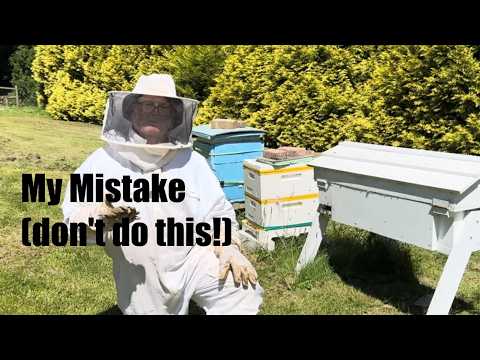
Read more about hive placement and direction
Learning From Multiple Hive Inspections
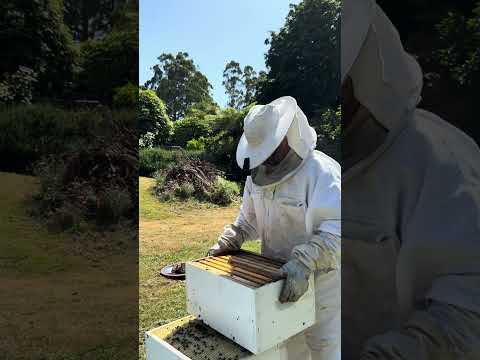
Read more about what to look for across multiple hives
Working With Bees, Not Against Them
One of the biggest mindset shifts for beginners is learning to slow down.
If something feels rushed or forced, it usually is.
Bees respond to movement, vibration, and pressure.
Moving calmly and deliberately makes a noticeable difference.
Over time, you learn when to act and when to leave the hive alone.
Common Mistakes Beginners Make
- Opening the hive too often
- Overreacting to normal bee behaviour
- Taking too much honey too early
- Ignoring early signs of stress or weakness
Final Thoughts
Beekeeping is not about perfection.
It is about understanding.
The more time you spend observing your bees, the more confident you will become.
Every hive teaches something.
And over time, those lessons add up.


Comments
Post a Comment