Hive Inspections
Hive Inspections: What to Look For and Why It Matters
Hive inspections are one of the most important parts of beekeeping.
They are how you understand what is really happening inside the colony. Not what you assume is happening from the outside, but what the bees are actually doing with brood, food, space, and population.
For new beekeepers, inspections can feel overwhelming at first. There is a lot to look at, a lot to remember, and a lot of advice about what should matter most. The truth is, good hive inspections are not about rushing through every frame. They are about learning how to read the colony clearly and calmly.
This page is designed to help with that.
It brings together the most useful inspection focused content from the channel so you can better understand what to look for, what different signs mean, and how inspection skills improve over time.
Why Hive Inspections Matter
Every important beekeeping decision starts with an inspection.
If a hive is low on food, the inspection reveals it. If the brood pattern is strong and consistent, the inspection confirms it. If a colony is under pressure, preparing to swarm, or quietly struggling, the inspection is often the first place those signs appear.
Without regular inspections, it is easy to miss problems until they are much harder to manage.
That does not mean opening the hive constantly. It means inspecting with purpose.
What You Are Really Looking For
A good inspection is not about looking at everything equally. Some signs matter more than others.
Most inspections come back to a few core questions:
- Is the queen laying well?
- Is there healthy brood at different stages?
- Are there enough honey and nectar stores?
- Does the hive have enough space?
- Are there early signs of swarm pressure or stress?
The more often you inspect, the easier these questions become to answer.
Your First Spring Hive Inspection After Winter
One of the most important inspections of the year is the first full spring check after winter. This is where you find out which colonies have come through well, how much food is left, and whether brood production is starting to build again. It is also one of the best learning moments for newer beekeepers because the contrast between strong and struggling hives becomes much clearer at this time of year.
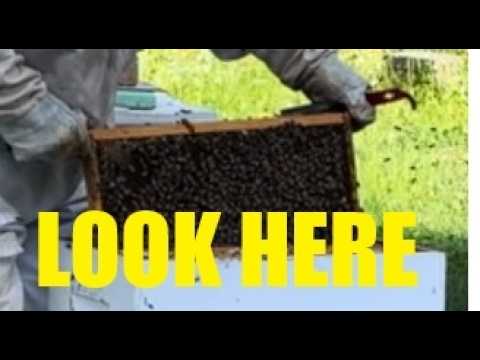
Read more about a first spring hive inspection after winter
Why Real Hive Inspections Often Feel Different to Theory
Textbooks and beginner guides are useful, but real inspections often feel much messier than the neat examples people expect. Colonies do not always behave perfectly, food levels are not always obvious at a glance, and sometimes a hive that looks strong still raises questions once the lid comes off. This is why real inspection experience matters so much. The more you watch and compare, the more confident your judgement becomes.
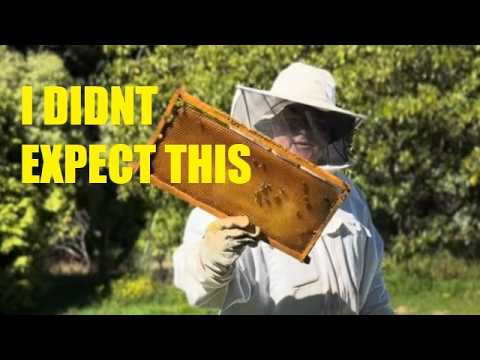
Read more about what real hive inspections teach beginner beekeepers
How to Inspect a Long Langstroth Hive Properly
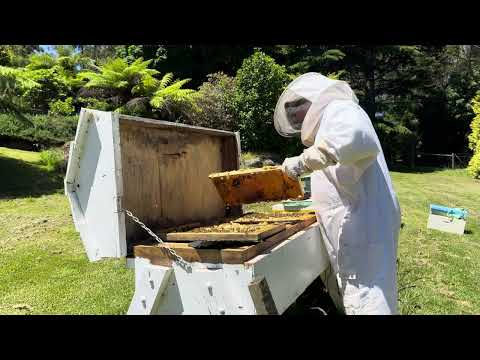
Long Langstroth hives offer a different inspection experience to standard stacked hives. The horizontal layout changes how the brood nest spreads, how food is stored, and how you move through the colony. For beekeepers using this style of hive, it helps to understand what to check first, how to read frame progression, and what can be missed if you move too quickly. This is a useful example of a slower, more deliberate inspection style that builds real understanding.
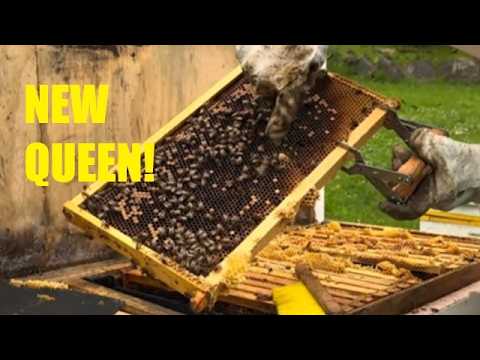
Read more about checking a long Langstroth hive properly
Why Frame by Frame Inspection Builds Confidence
One of the best ways to improve as a beekeeper is to slow down and look frame by frame. This helps you see how the bees are organising their space, where nectar is being stored, which frames are starting to cap, and whether the hive is balanced or under pressure. It also makes it easier to spot subtle changes that could be missed in a faster inspection. For newer beekeepers especially, this kind of inspection helps turn guesswork into clearer decision making.
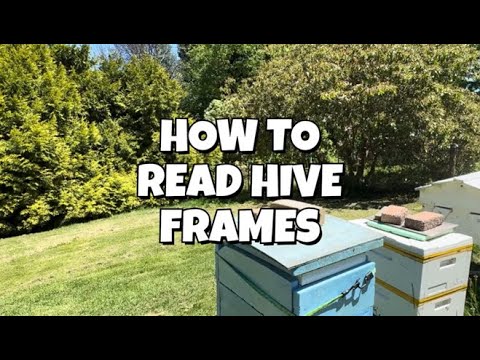
Read more about what to look for frame by frame in a hive inspection
What Matters Most in a Summer Inspection
Summer inspections are often less about rescue and more about judgement. Is the hive progressing well? Are food stores keeping up? Is brood still balanced? Are there early signs of crowding or swarm pressure? Warm weather speeds everything up, which means inspections need to stay focused. You do not need to disturb the hive more than necessary, but you do need to know what signals matter and what a stable colony actually looks like at this time of year.
Read more about inspecting a long Langstroth hive in summer
What You Learn From Inspecting Multiple Hives in One Day
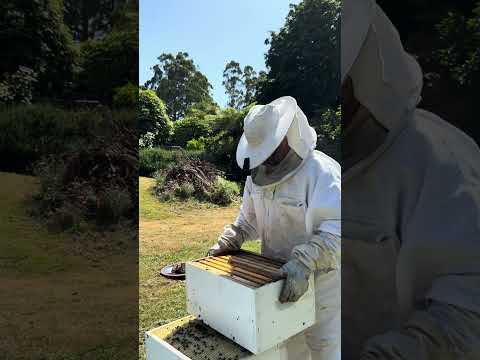
Inspecting one hive teaches you a lot. Inspecting several hives back to back teaches you even more. You begin to notice differences in weight, brood patterns, temperament, honey build, pest pressure, and overall condition. This comparison is one of the fastest ways to improve your inspection skills because it gives you context. A frame that looks average in one hive may look exceptional or worrying once you compare it to another colony the same day.
Read more about what to look for across multiple hive inspections
How to Get Better at Hive Inspections
The best way to improve is not to memorise every possible sign at once. It is to build consistency.
Look for the same core things each time:
- Fresh eggs and larvae
- Healthy brood pattern
- Food stores and nectar flow
- Available space
- Behaviour and mood of the colony
Once those become familiar, the unusual things stand out much more clearly.
Good Inspections Are Calm Inspections
One of the easiest ways to miss important signs is to rush.
Bees respond to pressure, vibration, and rough handling. The calmer you are, the easier it is to work safely and read the hive properly. Good inspections are not about speed. They are about clarity. Open the hive with purpose, check what matters most, and close it again without unnecessary disruption.
Where to Go Next
From here, you can explore more detailed content on:
- Beginner hive inspections
- How to read brood and food stores
- What queen cells and swarm pressure look like
- How different hive setups affect inspections
- What changes across the seasons
The goal is simple: help you inspect with more confidence, understand what you are seeing, and make better beekeeping decisions over time.
Final Thoughts
The hive is always telling you something.
The skill is learning how to listen.
The more often you inspect with purpose, the easier it becomes to recognise what is normal, what is improving, and what needs attention. Over time, that is what turns inspections from something stressful into one of the most useful parts of beekeeping.


Comments
Post a Comment