Which Direction Should a Beehive Face? Best Hive Orientation for Beginners
Which Direction Should a Beehive Face? Best Hive Orientation for Beginners
One of the most overlooked parts of setting up a beehive is orientation.
Most beginners focus heavily on the hive itself, the bees or the equipment. But the direction your hive faces can quietly influence colony behaviour every single day.
Temperature regulation, morning activity, brood development and foraging performance are all affected by hive placement.
If you are beginning to learn beekeeping, understanding hive orientation early can save a lot of frustration later on.
This is one of those lessons that often only becomes obvious after seeing what happens when hive placement goes wrong.
Why Hive Orientation Matters
The direction a hive faces affects far more than where bees enter and exit.
It influences:
- Morning warmth inside the hive
- Internal temperature stability
- Daily foraging activity
- Brood development conditions
- Moisture control
In cooler climates especially, small differences in sunlight and warmth can create noticeable changes in colony performance over time.
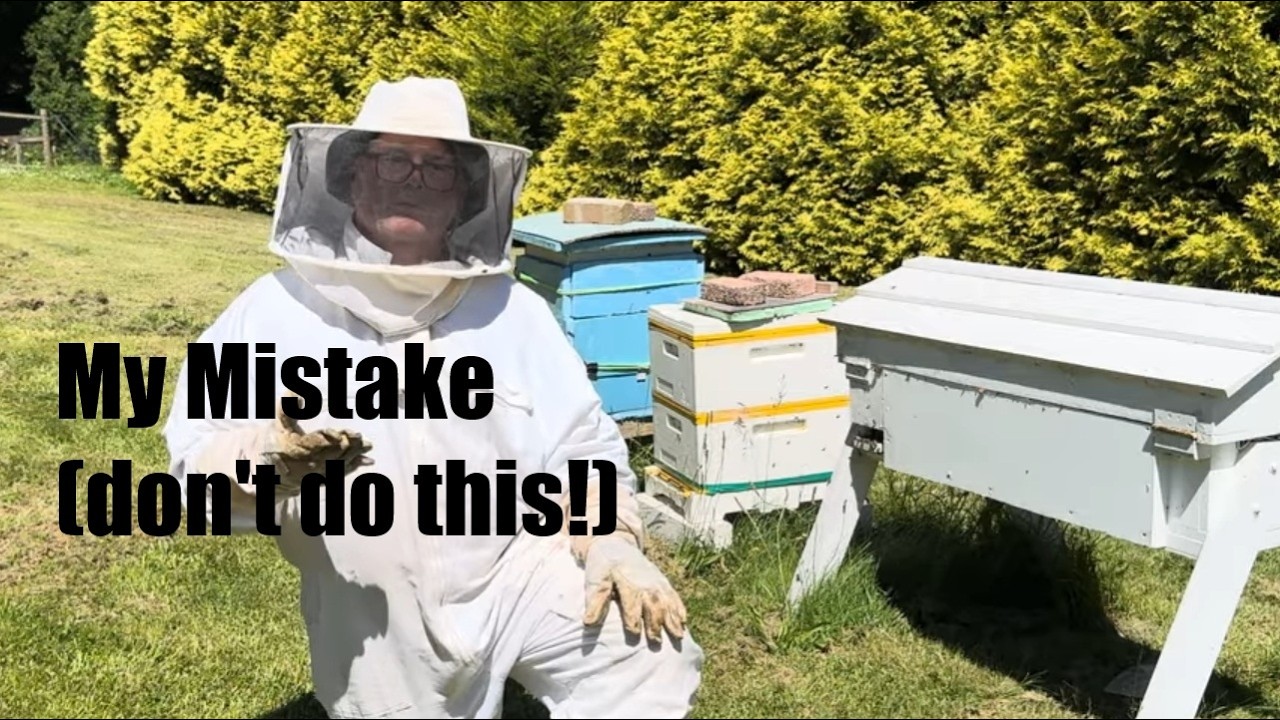
What Problems Can East Facing Hives Create?
At first, east facing hives sound logical because they receive morning sunlight early in the day.
However, in practice, inconsistent warmth can sometimes create slower starts depending on local conditions and seasonal weather.
When colonies struggle to warm up consistently:
- Morning activity slows
- Foraging starts later
- Brood development can become less stable
The effects are often subtle at first, but they become more noticeable over longer periods.
What Problems Can West Facing Hives Create?
West facing hives create a different issue entirely.
Instead of struggling with cool mornings, colonies may become exposed to excessive afternoon heat.
That additional heat can:
- Stress the colony
- Increase temperature regulation effort
- Reduce overall efficiency
- Force bees to spend more time cooling the hive
During hotter conditions, this can place unnecessary pressure on the colony.
Instead of focusing fully on brood care and nectar processing, large numbers of bees may shift toward cooling behaviour.
Why North Facing Hives Often Perform Better
For many Australian beekeepers, north facing hives provide the most balanced and consistent setup.
Facing hives north helps provide:
- Early morning sunlight
- Steady daytime warmth
- More stable internal hive temperatures
- Better brood conditions
- Stronger daily activity patterns
In cooler regions like the Dandenong Ranges, these small temperature advantages can make a surprisingly large difference over time.
The colonies often become active earlier and maintain stronger foraging consistency throughout the day.
Why Full Sun Matters for Hive Health
Orientation is only one part of hive placement.
Sun exposure matters just as much.
Keeping hives in full sun helps:
- Reduce moisture buildup
- Improve brood warmth
- Encourage earlier foraging
- Support stronger colony activity
- Reduce stress from cold conditions
In shaded locations, colonies may remain cooler and damper for longer periods.
That extra moisture can create additional stress inside the hive, especially during colder months.
Why Hive Placement Is More Important Than Beginners Expect
Many beginner beekeepers assume hive success depends mostly on:
- The hive type
- The queen
- The equipment used
But positioning quietly affects everything else happening inside the colony.
Good placement can:
- Reduce long term colony stress
- Improve honey production
- Support healthier brood development
- Make management easier overall
This is one reason experienced backyard beekeeping often becomes more about environmental observation than equipment alone.
Why Small Changes Matter in Beekeeping
Beekeeping rarely improves through one huge breakthrough.
More often, it improves through small adjustments repeated consistently over time.
Changing hive direction may sound minor, but over months and seasons those small environmental differences accumulate.
This is especially true when:
- Temperatures fluctuate heavily
- Hive stress increases
- Nectar flow becomes inconsistent
- Colonies are trying to build population
Healthy hives depend heavily on stable conditions.
Watch the Real Hive Placement and Orientation Changes
This video explores what happened after changing hive direction and why north facing hives ultimately produced more consistent colony performance.
Why Hive Orientation Connects to Environmental Awareness
One of the biggest surprises in beekeeping is how much environmental conditions matter.
Understanding how to make honey quickly becomes about understanding:
- Sunlight
- Temperature
- Seasonal cycles
- Flowering conditions
- Weather patterns
The hive constantly responds to its environment.
Good placement simply gives the colony better conditions to work with over the long term.
Frequently Asked Questions About Hive Orientation
Which direction should a beehive face?
Many Australian beekeepers prefer north facing hives because they provide consistent sunlight and stable daytime warmth.
Why does hive direction matter?
Hive direction affects temperature regulation, morning activity, brood development and overall colony performance.
Are east facing hives bad?
Not necessarily, but under some conditions they may create slower morning activity if warmth is inconsistent.
Why can west facing hives become problematic?
West facing hives may experience excessive afternoon heat, increasing stress and forcing bees to spend more energy cooling the hive.
Should beehives be placed in full sun?
In cooler climates, full sun often improves hive warmth, reduces moisture and supports stronger colony activity.
Does hive placement affect honey production?
Yes. Stable temperatures and strong daily activity can improve overall colony performance and honey production over time.
What is the best hive setup for beginners?
A stable location with good sun exposure, proper ventilation and thoughtful orientation provides a strong starting point for beginners.
Final Thoughts
Hive orientation is easy to underestimate until you begin seeing how strongly colonies respond to environmental conditions over time.
Small placement decisions can influence warmth, activity, brood development and colony stress far more than most beginners initially expect.
Getting those fundamentals right early often makes the entire beekeeping experience smoother and more successful long term.
If you are interested in systems, resilience and long term improvement, you may also enjoy my self improvement and leadership podcast, where I explore practical ways to improve consistently over time.
You can also follow more real hive inspections and seasonal changes on my beekeeping YouTube channel.
More hive inspections and beginner beekeeping videos can be found on my channel.


Comments
Post a Comment