Four Hive Inspections in One Day… Here’s What I Found
Four Hive Inspections in One Session – What to Look for and Why It Matters
What can you learn from inspecting multiple hives in one day?
Quite a lot.
Every hive tells a slightly different story. By working through several in one session, patterns start to emerge, and decisions become clearer.
This inspection day has a simple focus: check honey stores, watch for pests, and find the right resources to strengthen a nucleus hive.
Watch All Four Hive Inspections
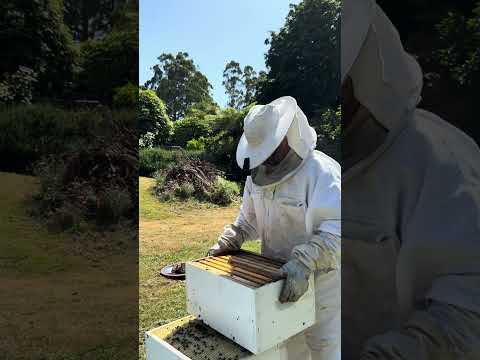
See this video about inspecting multiple hives to check honey, brood and swarm signs
For more content beyond beekeeping, including leadership and real world thinking:
https://linktr.ee/thelongwayforward
Why Inspecting Multiple Hives Helps You Learn Faster
Looking at one hive gives you information.
Looking at several hives in a row gives you context.
You start to notice differences:
- Which hives are building honey faster
- How brood patterns vary between colonies
- Which colonies are under pressure
This comparison builds understanding quickly.
Checking Honey Stores the Right Way
One of the first checks is food availability.
Instead of guessing, the frames tell you everything.
A simple lift gives a clear signal:
- Heavy frames usually mean stored honey
- Light frames suggest the hive may need support
Over time, this becomes instinctive.
Understanding Brood and Colony Health
Brood frames reveal how well the colony is functioning.
During inspections, the focus is on:
- Presence of eggs and larvae
- Consistency of brood patterns
- Coverage across frames
Healthy brood means the colony is growing and stable.
Gaps or irregular patterns can signal issues.
Watching for Pests and External Pressure
Pest pressure is always part of beekeeping.
During these inspections, attention is given to:
- Wasp activity around the hive
- Signs of stress or defence behaviour
- General hive condition
Strong colonies tend to cope better.
Weaker ones need support.
Why Queen Cups and Cells Matter
Queen cups are one of the early indicators of potential change inside the hive.
They do not always mean swarming is imminent, but they are worth watching.
Fully developed queen cells, on the other hand, require action.
They can be used to:
- Manage swarm risk
- Support new colonies
- Strengthen weaker hives
Recognising the difference is important.
Building a Nucleus Hive From Strong Colonies
One of the goals of this session is to gather resources for a nuc hive.
The most valuable frames are those containing:
- Fresh eggs
- Developing larvae
- Strong brood coverage
These frames allow a nuc to:
- Raise a new queen
- Build population
- Stabilise more quickly
Choosing the right frames makes a big difference.
Using Insulation to Support Hive Stability
Another element shown during these inspections is hive insulation.
Simple EPS board is used to reduce temperature fluctuations.
This helps:
- Maintain brood temperature
- Reduce stress on the colony
- Improve overall hive performance
In cooler or variable climates, this can have a noticeable impact.
What the Sound of a Hive Tells You
Sound is often overlooked.
But it is one of the quickest ways to understand hive behaviour.
A steady, consistent buzz usually indicates a calm, working colony.
A sharper, louder tone can signal agitation.
Listening carefully adds another layer to your inspections.
What This Inspection Day Really Shows
Each hive is different.
Some are thriving. Some are steady. Some need support.
By working through several in one session, you can:
- Identify which hives need attention
- Use strong colonies to support weaker ones
- Make better, more informed decisions
This is practical beekeeping in action.
Final Thoughts
Beekeeping is not about treating every hive the same.
It is about understanding what each colony needs.
Inspection days like this bring everything together.
Observation, comparison, and decision making all in one session.
For more real world beekeeping insights, follow along here:
https://www.youtube.com/@NotThatBryan
And if you are interested in broader thinking around leadership, consistency, and long term progress:
https://linktr.ee/thelongwayforward
If you’re just starting out, content like this is exactly what helps things start to click. Reading about beekeeping is one thing, but actually seeing multiple hives side by side and understanding what’s different between them is where the real learning happens. It gives you context, not just information.
That’s what makes this Blogspot site such a useful place for beginner beekeepers. It’s not overly complicated or filled with theory you won’t use. It shows real inspections, real decisions, and what to actually look for when you open a hive. You start to pick up patterns, notice differences between strong and weaker colonies, and build that instinct that every beekeeper develops over time.
Being able to come back to posts like this, rewatch the videos, and slowly build your understanding makes a big difference early on. Instead of guessing, you start to recognise what’s normal and what needs attention, which is one of the hardest parts when you’re new.
If you want a simple place to get your bearings and build confidence step by step, this beginner beekeeping guide to getting started is a great place to start.
Comments
Post a Comment