I Turned a Queenless Hive Into a Brand New Colony (Here’s How)
From Queenless Crisis to New Hive – How This Split Changed Everything
Last inspection confirmed the worst.
No queen. No brood. And eight queen cells developing at once.
Left alone, that hive was almost guaranteed to swarm multiple times, weakening itself in the process.
This is the moment where beekeeping shifts from observation to decision.
And this time, the decision was to turn a problem into an opportunity.
Watch How This Hive Was Split in Real Time
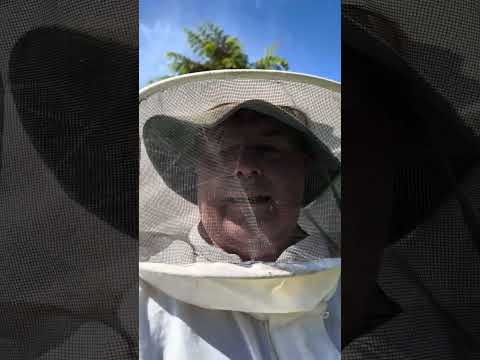
See this video about splitting a queenless hive and creating a nuc colony
For more content beyond beekeeping, including leadership and real world thinking:
https://linktr.ee/thelongwayforward
The Situation After Finding Eight Queen Cells
After the previous inspection, the hive was clearly in emergency queen rearing mode.
Eight queen cells meant eight potential queens, and with that comes serious swarm risk.
If left untouched, the colony could:
- Swarm multiple times
- Lose large portions of its workforce
- Become unstable and unpredictable
Something had to be done.
Reducing Queen Cells to Control the Outcome
The first step was to reduce the number of queen cells in the original hive.
Instead of leaving all eight, only two were kept.
This gives the colony a controlled chance to requeen while lowering the risk of repeated swarming.
It is not about stopping the process. It is about guiding it.
Turning Excess Queen Cells Into Opportunity
That still left strong queen cells that would otherwise go to waste.
Rather than removing them completely, they were used to create something new.
This is where the situation changes from problem to opportunity.
Creating a Nucleus Hive
A nucleus hive, or nuc, is essentially a small starter colony.
To build it, the following were combined:
- Selected queen cells
- Frames with fresh eggs and larvae
- Nurse bees to care for the brood
- Honey stores to support early growth
This gives the new colony everything it needs to establish itself.
Over time, it can grow into a full hive.
Why Splitting the Hive Works
This approach solves two problems at once.
For the original hive:
- Reduces overcrowding
- Lowers swarm pressure
- Creates a more stable environment
For the beekeeper:
- Creates a new hive without buying bees
- Expands the apiary naturally
- Makes use of existing resources
It is one of the most effective strategies in backyard beekeeping.
Some of my other posts you might like
- What rising sea temperatures mean for the environment
- Is a flow hive worth it and how it works
- Why reducing consumption matters more than recycling
- Beginner cost of starting beekeeping
- How much honey can one hive produce
Working With the Bees, Not Against Them
This is what makes beekeeping so rewarding.
Instead of forcing an outcome, you read the signs and work with what the bees are already doing.
The colony was preparing to create new queens.
This approach simply guided that process in a controlled way.
What Happens Next?
This is where the uncertainty begins.
Several key questions now need to be answered:
- Will the new queens emerge successfully?
- Will the nuc establish itself and grow?
- Will the original hive stabilise and continue building?
These outcomes take time, and they will unfold in the next inspections.
What This Moment Really Shows
This is a turning point.
A potential loss has been turned into growth.
It highlights the importance of:
- Reading hive behaviour accurately
- Making timely decisions
- Understanding how colonies respond to pressure
This is real world beekeeping. No scripts. No perfect outcomes. Just observation and action.
Final Thoughts
Not every challenge in beekeeping needs to be a setback.
Sometimes, it is an opportunity to grow.
By understanding what the hive was telling me, this situation turned into a chance to build something new.
For more real world beekeeping insights, follow along here:
https://www.youtube.com/@NotThatBryan
And if you are interested in broader thinking around leadership, consistency, and long term progress:
https://linktr.ee/thelongwayforward
If you’re new to beekeeping, moments like this can feel a bit overwhelming at first. Finding a queenless hive and multiple queen cells can raise a lot of questions, especially if you’re not sure what your options are. But seeing it handled step by step like this makes it much easier to understand what’s actually going on and what you can do about it.
This is what makes this Blogspot site so helpful for beginners. It shows the decision making behind the actions, not just the end result. You get to see how a situation that looks like a problem can actually be turned into something positive, like creating a new hive while stabilising the original one.
Over time, that’s how confidence builds. You start to recognise the signs earlier, understand what the bees are trying to do, and feel more comfortable stepping in when needed. Being able to revisit posts like this helps reinforce those lessons so you’re not figuring it out from scratch each time.
If you’re just starting out and want to build a solid foundation before handling situations like this, this learn to be a beekeeper guide is a great place to begin.


Comments
Post a Comment