How to Save a Weak Beehive Using a Strong Colony
How to Save a Weak Beehive Using a Strong Colony
Saving a weak beehive often comes down to timing.
Once a colony loses strength, problems can build quickly. Wasps begin targeting the hive, wax moth can move into unprotected comb and food stores may disappear faster than the bees can replace them.
If you are beginning to learn beekeeping, knowing when to support a failing hive can make the difference between recovery and collapse.
This rescue shows how resources from a strong colony can be used to give a weak hive another chance.
Why Weak Hives Collapse So Quickly
Small or weakened colonies have very little margin for error.
Once bee numbers drop, the hive may struggle to:
- Defend the entrance
- Protect unused comb
- Maintain brood temperature
- Collect enough food
- Recover from pest pressure
That is when problems begin stacking up.
Wasps often target weaker hives because they are easier to overwhelm. Wax moth can also become a problem when bees no longer have enough strength to guard and clean every frame.
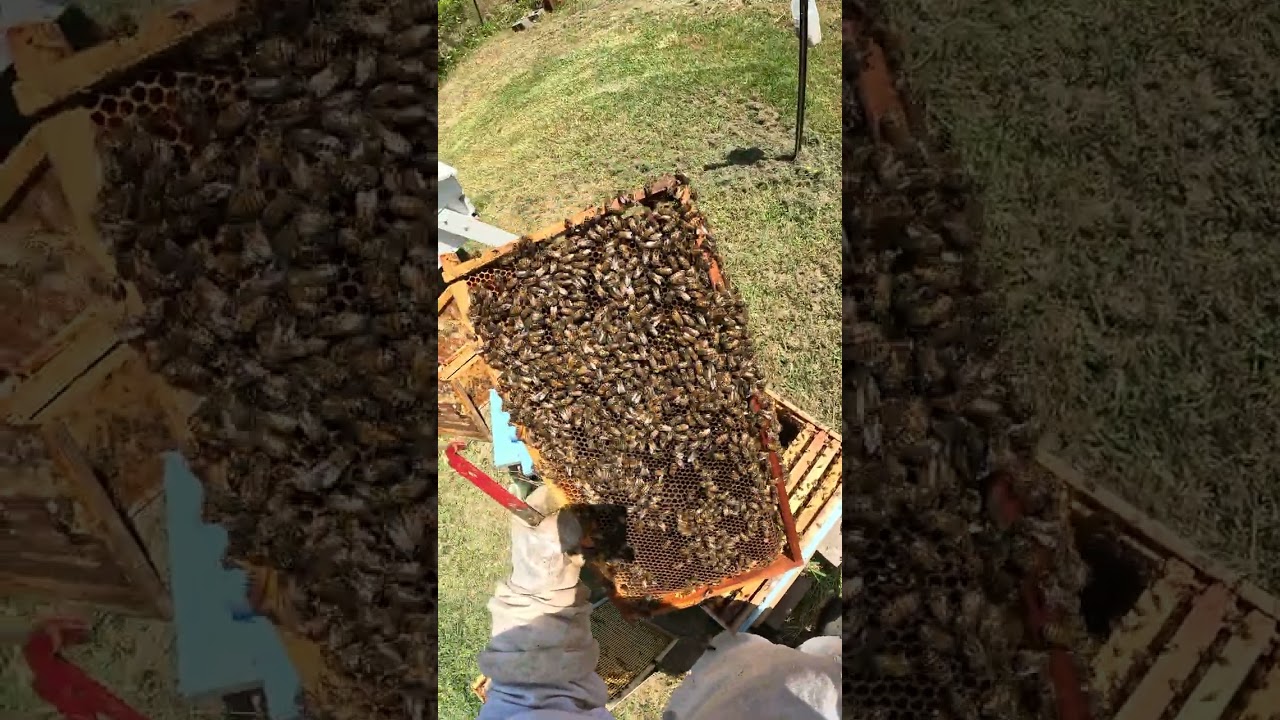
Using a Strong Hive to Support a Weak One
One of the most useful advantages of managing multiple hives is being able to borrow strength from one colony to support another.
A stronger hive can provide:
- Capped honey for immediate food
- Brood frames with eggs and larvae
- Nurse bees to care for developing brood
- Extra population support
This gives the weak hive both short term survival support and long term recovery potential.
Why Brood Frames Are So Important
Brood frames do more than add future bees.
They can help restart the structure of the colony.
Fresh eggs and young larvae allow the hive to:
- Raise a new queen if needed
- Rebuild its worker population
- Restart a healthier brood cycle
- Stabilise over time
This is one of the most powerful tools in backyard beekeeping when used carefully.
How Nurse Bees Help the Recovery
When brood frames are transferred, nurse bees often come with them.
These younger bees are incredibly valuable because they:
- Feed larvae
- Maintain brood warmth
- Support queen cell development
- Help stabilise the colony internally
Even when bees come from different hives, they usually settle into the shared work of supporting brood and rebuilding the colony.
Why Strong Colonies Handle Wasps Better
Wasps are opportunistic.
They look for colonies that cannot defend themselves properly.
A weak hive may struggle to guard the entrance, which allows wasps to keep testing and applying pressure.
As the nuc gains strength, its defence improves.
More bees means:
- Better entrance guarding
- More internal organisation
- Improved comb protection
- Greater colony resilience
Strength is often the best defence against wasp pressure.
The Role of Feeding During Recovery
Feeding can help when a weak hive does not have enough food or enough foragers to support itself.
Sugar syrup may provide:
- Immediate energy
- Support for brood care
- Help with wax production
- Extra stability while the colony rebuilds
Feeding is not always required, but in recovery situations it can make a significant difference.
Watch This Beehive Rescue Step by Step
This video shows how a weak nuc hive was reinforced using brood, honey frames and nurse bees from stronger colonies to give it a better chance of survival.
What This Rescue Really Shows
This is practical beekeeping in real conditions.
Not every hive rescue works, but the process shows how important it is to recognise the signs early.
A struggling hive may need:
- More bees
- Fresh brood
- Food stores
- Reduced pest pressure
- Time to recover
Understanding how to make honey also means understanding colony strength, timing and hive recovery.
What Happens Next?
After reinforcement, the hive has a chance.
The next inspections will show whether:
- The population begins to grow
- Brood development continues
- A queen establishes successfully
- The colony stabilises
- Wasp pressure reduces
At this stage, the goal is not instant success. It is giving the bees enough support to rebuild.
Frequently Asked Questions About Saving Weak Beehives
How do you save a weak beehive?
A weak hive can sometimes be saved by adding brood frames, nurse bees, food stores and reducing pest pressure.
Can a strong hive help a weak hive?
Yes. Strong colonies can provide brood, honey frames and nurse bees to help weaker hives rebuild.
Why do wasps attack weak hives?
Wasps target weak colonies because they are easier to overwhelm and have fewer bees defending the entrance.
Why are brood frames useful in a rescue?
Brood frames provide future worker bees and may give the colony suitable eggs or larvae to raise a queen if needed.
What do nurse bees do in a weak hive?
Nurse bees care for larvae, maintain brood warmth and support the colony during recovery.
Should you feed a weak hive?
Feeding may help if the hive has low stores or not enough foragers to collect sufficient food naturally.
Can every weak hive be saved?
No. Some colonies are too far gone, but early support can improve the chance of recovery.
Final Thoughts
Saving a weak hive is never guaranteed.
But when the timing is right, resources from stronger colonies can give a struggling hive a real chance to recover.
Brood, nurse bees, honey stores and careful management all work together to support the colony through a vulnerable stage.
If you’re just getting started and want a clear, simple path to follow, this how to start beekeeping for beginners guide is a great place to begin.


Comments
Post a Comment