Why Your Smoker Keeps Going Out… (And How to Fix It Properly) 🔥🐝
Why Your Smoker Keeps Going Out… (And How to Fix It Properly)
Lighting a smoker sounds simple… until it isn’t.
You get it going, it looks fine, you walk over to the hive… and suddenly it’s out.
That’s one of the most frustrating parts of learning beekeeping.
And it usually comes down to a few small details.
Watch How I Light My Smoker
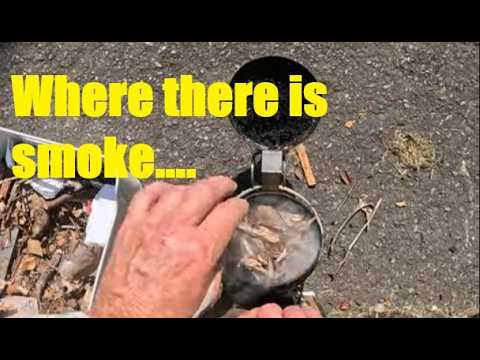
See this video about lighting a smoker that stays lit during hive inspections
For more content beyond beekeeping:
https://linktr.ee/thelongwayforward
Why a Good Smoker Matters
A working smoker changes everything.
It helps keep bees calm, reduces defensive behaviour, and allows you to inspect the hive safely and efficiently.
When your smoker goes out mid inspection, things get harder very quickly.
The Biggest Reason Smokers Fail
Most smoker problems are not about the smoker itself.
They come down to three things:
- Fuel that is not dry enough
- Poor airflow
- Rushing the setup
Fix those, and most problems disappear.
Start With the Right Base
The first step is creating a strong ignition point.
Simple materials like newspaper work well to get things started.
This creates the initial heat needed to build a longer lasting fire.
Build Your Fuel Gradually
This is where most people go wrong.
Adding too much fuel too quickly smothers the flame.
Adding too little burns out fast.
The goal is to build layers slowly.
Start small, then add more as the fire strengthens.
Why Airflow Is Critical
Fire needs oxygen.
If the smoker is packed too tightly, airflow is restricted.
If it is too loose, fuel burns too quickly.
Finding the balance keeps the smoker producing steady smoke.
What Good Smoke Looks Like
You are not aiming for flames.
You want cool, consistent smoke.
That is what calms the bees and makes inspections manageable.
Choosing the Right Fuel
Dry, natural materials work best.
- Leaves
- Bark
- Small sticks
- Mulch
The key is dryness. Wet fuel almost always leads to failure.
Why Preparation Makes Everything Easier
Having fuel ready before you start removes a lot of frustration.
When everything is dry and prepared, lighting the smoker becomes predictable.
That consistency carries through to your inspections.
Basic Tools Every Beekeeper Uses
Alongside the smoker, a few tools make hive work easier.
- Hive tool for opening boxes and frames
- Frame grabber for lifting frames safely
- Bee brush for gentle movement when needed
These tools support smoother, safer inspections.
Why POV Filming Shows the Real Process
This video is filmed from a true first person perspective.
You see exactly how the smoker is built, step by step.
That makes it easier to understand what works and what doesn’t.
What This Skill Improves
Once your smoker is reliable, everything else improves.
Inspections become calmer.
Bees are easier to work with.
And you can focus on what matters inside the hive.
Final Thoughts
Lighting a smoker is one of the first real skills in beekeeping.
It takes a bit of practice, but once you get it right, it becomes second nature.
And when it stays lit… everything else gets easier.
If you’re new to beekeeping, this is one of those early frustrations almost everyone runs into. You think you’ve done everything right, the smoker looks fine, and then it lets you down right when you need it. It can throw off your whole inspection and make things feel harder than they should be.
That’s what makes this Blogspot site so helpful for beginners. It breaks down simple skills like this in a practical way that actually sticks. You start to understand that it’s not about complicated techniques, it’s about getting the basics right and building consistency from there.
Over time, these small skills add up. When your smoker works properly, your inspections become calmer, your movements slow down, and you start to focus more on what’s happening inside the hive rather than dealing with problems on the spot. Being able to revisit this kind of guidance helps lock those habits in early.
If you’re just starting out and want to make your hive inspections smoother and more predictable, this beginner guide to hive inspections is a great place to begin.
If you're interested in improving your focus and staying consistent as you learn, you can also check out my self improvement and mindset podcast.


Comments
Post a Comment