Why People Start Beekeeping and What It Teaches You
Why People Start Beekeeping and What It Teaches You
Most people begin beekeeping out of curiosity. Some want fresh honey, some want to support pollinators, and others simply want to understand bees better. But for many beekeepers, it quickly becomes something much bigger than a hobby.
Keeping bees changes the way you look at weather, seasons, gardens and the natural world. A hive teaches patience, observation and long term thinking in ways that are difficult to understand until you have stood beside one yourself.
If you are starting to learn beekeeping, you may already be wondering what draws so many people into it. For me, it started small too. I simply wanted something practical that connected me more closely with nature and the outdoors.
What I found was that beekeeping slowly changes the way you think about ecosystems, sustainability and even your own pace of life.
Why People Become Interested in Beekeeping
There are many reasons people decide to keep bees:
- Supporting pollinators and biodiversity
- Producing natural honey
- Learning about hive behaviour
- Connecting with nature
- Creating a more sustainable lifestyle
- Developing practical outdoor skills
For many beginners, the attraction starts with curiosity. Bees are fascinating to watch, highly organised and constantly changing through the seasons.
But over time, the hive becomes more than something you observe. It becomes something you actively learn from.

How Beekeeping Changes the Way You See Nature
One of the first things many beekeepers notice is how much more aware they become of the environment around them.
You start noticing:
- What plants are flowering
- How weather changes bee activity
- When nectar flows increase or slow down
- How seasons affect hive behaviour
- Which areas support pollinators best
This is one reason backyard beekeeping becomes so engaging. A hive constantly reflects the environment around it.
Strong forage conditions often produce strong colonies. Poor weather or reduced flowering can place noticeable stress on hive activity very quickly.
What Beekeeping Teaches About Patience and Observation
Bees do not operate on human timelines. Colonies build gradually, respond slowly to seasonal changes and rely heavily on environmental conditions.
That means successful beekeeping often comes down to observation rather than control.
Every hive inspection teaches something:
- How brood patterns reveal colony health
- How honey stores reflect forage conditions
- How bees respond to seasonal pressure
- How swarm preparation develops over time
- How colony temperament changes
Some inspections are straightforward. Others raise more questions than answers. That ongoing learning process is part of what keeps many people interested in beekeeping long term.
Why Beekeeping and Sustainability Naturally Connect
Beekeeping often leads people toward more sustainable thinking because it highlights how connected environmental systems really are.
Healthy hives rely on:
- Healthy flowering plants
- Stable weather patterns
- Reduced chemical exposure
- Water availability
- Biodiversity
Producing your own honey and beeswax also creates a stronger connection between what you consume and where it comes from.
Instead of seeing food as something that simply appears on shelves, you begin seeing the systems behind it.
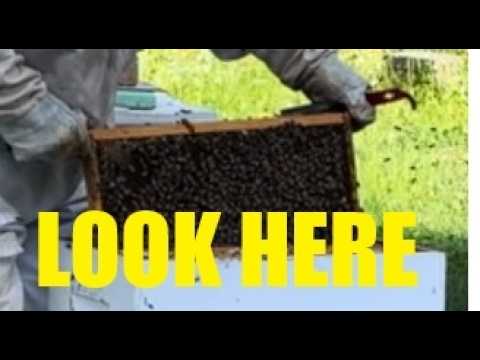
Watch a Real Hive Inspection and Beginner Beekeeping Journey
This video explores what first drew me into beekeeping, what I learned from starting with my first hive, and why bees quickly became far more than a simple hobby.
Some of my other posts you might like
- Spring hive inspection insights and lessons learned
- The truth about starting backyard beekeeping
- How to inspect a long Langstroth hive properly
- Hive insulation removal results and observations
- What I discovered when checking a weak hive
The Benefits of Backyard Beekeeping
Supporting Pollination and Biodiversity
Bees play an important role in pollinating plants, flowers, fruit trees and vegetables, helping support local ecosystems.
Harvesting Fresh Honey
Honey produced from your own hive reflects the plants and seasons in your local area, creating unique flavours and variations throughout the year.
Learning Practical Outdoor Skills
Beekeeping teaches observation, timing, seasonal awareness and problem solving through real world experience.
Reducing Stress and Slowing Down
Working around bees encourages calm behaviour and patience. Many beekeepers find hive inspections mentally grounding and highly rewarding.
Understanding Natural Systems
When you learn how to make honey, you also learn how weather, plants, pollination and ecosystems work together.
Frequently Asked Questions About Starting Beekeeping
Why do people start beekeeping?
People start beekeeping for many reasons including supporting pollinators, producing honey, learning about bees and connecting with nature.
Is backyard beekeeping difficult for beginners?
Beekeeping has a learning curve, but beginners can learn successfully through observation, hive inspections and ongoing education.
What does beekeeping teach you?
Beekeeping teaches patience, observation, seasonal awareness, environmental understanding and practical problem solving.
Why are bees important for the environment?
Bees pollinate many plants and crops, helping support biodiversity, ecosystems and food production.
Can you keep bees in suburban areas?
Yes. Many people successfully keep bees in suburban backyards when local conditions and regulations allow it.
How does weather affect beehives?
Weather affects bee activity, nectar flow, colony growth, honey production and seasonal hive behaviour.
What should beginner beekeepers learn first?
Beginner beekeepers should focus on hive behaviour, seasonal inspections, brood patterns, food stores and basic colony health.
Final Thoughts
What starts as curiosity often becomes something much more meaningful. Beekeeping has a way of pulling people closer to the natural world and teaching lessons that extend well beyond the hive itself.
For many beekeepers, the real value is not only the honey. It is the ongoing learning, the connection to nature and the understanding that healthy systems depend on balance over time.
If you are interested in thinking more clearly about growth, consistency, and long term progress, you may also enjoy my self improvement and leadership podcast.
You can also follow real hive inspections, seasonal changes, and lessons learned on my beekeeping YouTube channel.
More videos you might like:


Comments
Post a Comment