Does Hive Insulation Actually Help Bees Survive Winter?
Does Hive Insulation Actually Help Bees Survive Winter?
Most beekeeping advice focuses heavily on adding hive insulation.
Far fewer discussions explore what actually happens when insulation is removed and the colony is inspected after prolonged cold conditions.
That is where things become interesting.
In colder regions, insulation is not simply about comfort. It can significantly influence:
- Colony survival
- Brood development
- Food consumption
- Temperature stability
- Overall hive stress
If you are beginning to learn beekeeping in cooler climates, understanding how insulation affects the hive internally becomes extremely important.
Living above the snow line changes the entire approach to hive management.
Why Cold Climate Beekeeping Is Different
Many standard beekeeping recommendations are written for relatively mild climates.
But colder regions introduce completely different pressures:
- Long cold periods
- Heavy temperature swings
- Reduced forage availability
- Higher energy demands inside the hive
In these environments, colonies spend far more energy simply trying to maintain stable internal temperatures.
That extra energy demand can weaken colonies significantly over winter if conditions become too harsh.
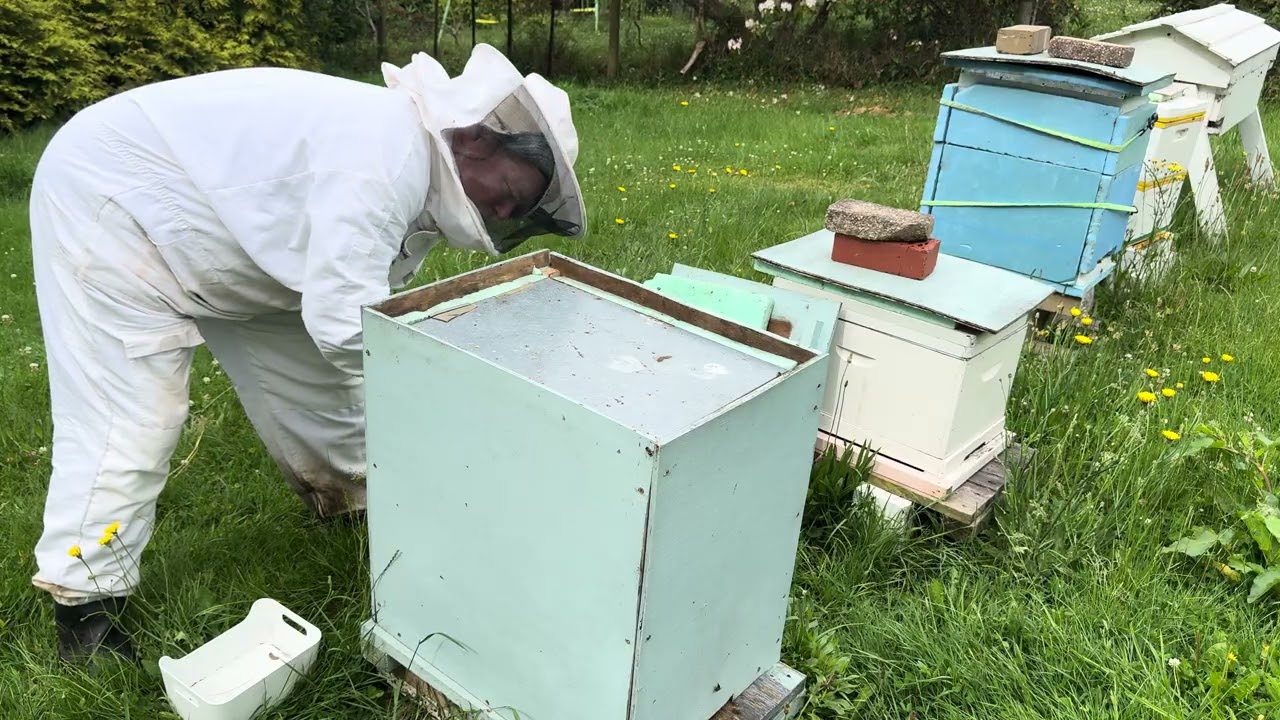
What Hive Insulation Actually Does
Hive insulation helps reduce the speed at which heat escapes from the colony.
This supports:
- More stable brood temperatures
- Reduced colony stress
- Improved winter survival
- Better energy efficiency inside the hive
The goal is not to make the hive warm like a heated room.
The goal is to reduce extreme fluctuations and help the bees maintain more stable internal conditions with less effort.
Over time, that stability can make a significant difference to colony strength.
What Happens When the Insulation Comes Off?
Removing insulation creates a completely different challenge.
Suddenly the beekeeper gains access to the most important part of the hive:
- The brood frames
- Brood patterns
- Queen activity
- Honey reserves
- Swarm indicators
Without inspections, much of this information remains hidden.
But inspections also release valuable heat from the colony.
That creates an important balancing act in backyard beekeeping during colder weather.
Why Efficient Inspections Matter in Winter and Early Spring
Cold climate inspections need to be:
- Purpose driven
- Efficient
- Focused on key information
Opening the hive unnecessarily for long periods increases:
- Heat loss
- Colony stress
- Brood temperature instability
The goal is to gather enough information to make good decisions while minimising disruption to the colony itself.
This inspection revealed a colony progressing well despite the harsh conditions, but also beginning to show signs of increasing population pressure.
Why Swarm Signs Still Matter in Cold Climates
One of the surprising parts of insulated hive management is that strong colonies can still build momentum rapidly once conditions improve.
During this inspection, early signs included:
- Growing brood areas
- Increasing drone activity
- Developing queen cups
These are important because strong overwintered colonies can move into swarm preparation surprisingly quickly once spring conditions arrive.
This creates another management balancing act:
- Retaining warmth
- Providing enough expansion space
- Preventing overcrowding
What Changed After Introducing Insulation?
Over time, the insulated hive setup produced several noticeable improvements:
- Stronger colonies exiting winter
- More stable brood development
- Improved colony consistency
- Better performance during temperature swings
This does not mean insulation is a perfect solution for every environment.
But in colder climates, it can significantly improve colony resilience and survival odds.
Why Beekeeping Is Really About Trade Offs
One of the biggest lessons beginner beekeepers eventually learn is that hive management often involves balancing competing priorities.
In this case:
- Insulation improves warmth retention
- Inspections provide critical information
- Opening the hive releases heat
There is no perfect solution.
Good beekeeping comes from understanding the trade offs and making decisions based on:
- Weather conditions
- Colony strength
- Season timing
- Inspection goals
That practical understanding becomes far more valuable than blindly following rigid rules.
Watch the Full Cold Climate Hive Inspection
This inspection shows what happened when insulation panels were removed from a cold climate hive to assess brood development, colony strength and early swarm indicators after winter.
Why Insulation Changes How You Understand the Hive
Understanding how to make honey eventually becomes about understanding environmental stability as much as nectar flow itself.
Healthy colonies depend heavily on:
- Temperature management
- Energy conservation
- Brood stability
- Reduced stress
Cold climate beekeeping simply makes those relationships more obvious.
Once you begin observing how colonies respond to insulation, weather and seasonal changes together, hive management starts making much more sense.
Frequently Asked Questions About Hive Insulation
Does hive insulation help bees survive winter?
In colder climates, insulation can improve temperature stability and reduce stress on the colony during winter.
Why do insulated hives perform better in cold weather?
Insulation reduces rapid heat loss, helping bees maintain stable brood temperatures more efficiently.
Can insulated hives still swarm?
Yes. Strong insulated colonies may still build rapidly once spring conditions improve, increasing swarm pressure.
Why should hive inspections be shorter in cold weather?
Long inspections release heat and can stress brood development during colder conditions.
Does insulation replace proper hive management?
No. Colonies still require regular inspections, space management and seasonal monitoring.
What are early swarm signs in spring?
Queen cups, increasing drone brood and rapid brood expansion are common early indicators.
Is hive insulation necessary everywhere?
Not always. Insulation becomes far more important in regions with long cold winters and significant temperature fluctuations.
Final Thoughts
Hive insulation is not really about making bees comfortable.
It is about improving stability during periods where environmental conditions place heavy pressure on the colony.
Cold climate beekeeping forces you to think more carefully about:
- Heat retention
- Inspection timing
- Energy use
- Long term colony resilience
The more you observe those relationships directly, the more confident your decisions become over time.
If you are interested in systems, resilience and long term improvement, you may also enjoy my self improvement and leadership podcast, where I explore practical ways to improve consistently over time.
You can also follow more real hive inspections and seasonal changes on my beekeeping YouTube channel.
More hive inspections and beginner beekeeping videos can be found on my channel.


Comments
Post a Comment