What I Found During My First Spring Hive Inspection After Winter
What to Look for During Your First Spring Beehive Inspection
The first full hive inspection after winter is one of the most important moments in the beekeeping year.
It is when you finally see which colonies came through strongly, which ones need support and which hives may already be preparing for rapid spring growth.
If you are beginning to learn beekeeping, spring inspections are where many of the season’s most important decisions begin.
In colder regions such as the Dandenong Ranges, the first spring inspection is especially important because winter survival can vary dramatically from hive to hive.
Why Spring Hive Inspections Matter
After winter, each hive needs to be assessed carefully.
The goal is to understand whether the colony is:
- Strong and building well
- Alive but low on stores
- Weak and needing support
- Showing early swarm preparation
- Struggling after cold weather
This is not about rushing into the hive or disturbing the bees unnecessarily.
It is about gathering enough information to make better decisions for the season ahead.

What Should You Check First After Winter?
The first things to assess are the basic survival indicators.
During a spring hive inspection, look for:
- Adult bee population
- Brood presence
- Queen activity
- Honey stores
- Pollen coming in
- Signs of stress or disease
A hive can appear active from the outside while still having internal issues.
That is why opening the hive carefully and reading the frames properly matters.
Why Brood Patterns Are So Important
Brood is one of the clearest signs that the colony is moving forward after winter.
Healthy brood patterns usually indicate:
- The queen is laying
- The colony is raising new workers
- Spring population growth has begun
- The hive has enough confidence to expand
If there is no brood, scattered brood or no fresh eggs, that may indicate queen issues or a colony that is not yet building properly.
Understanding brood patterns is one of the most important skills in backyard beekeeping.
Why Food Stores Can Decide Spring Survival
Spring can be deceptive.
Even when flowers begin appearing, colonies may still run short of food.
This is sometimes called the spring starvation risk.
As the queen increases laying, the colony needs more energy to:
- Feed larvae
- Maintain brood warmth
- Support worker activity
- Expand population
If honey stores are low, feeding may still be necessary even though winter has technically passed.
Beekeeping in Cold Conditions Changes the Inspection
Beekeeping above the snow line means every spring inspection requires extra judgement.
Cold air, wind and changing weather can all affect how long the hive should remain open.
In cooler climates, inspections should be:
- Efficient
- Purpose driven
- Focused on key frames
- Short enough to avoid chilling brood
Sometimes the best decision is not to inspect every frame.
Protecting brood warmth can matter more than completing a perfect checklist.
Early Spring Swarm Signs to Watch For
Once colonies come through winter and begin expanding, swarm preparation can appear sooner than expected.
Early indicators include:
- Drone brood appearing
- Queen cups forming
- Rapid brood expansion
- Increasing population pressure
- Reduced available space
These signs do not always mean swarming is imminent.
But they do mean the hive needs closer monitoring.
Understanding how to make honey also means understanding space, timing and colony pressure.
Why Not Every Hive Survives Winter
Winter losses are one of the difficult realities of beekeeping.
Even with preparation, feeding and insulation, some colonies may not make it through.
When a hive fails, the inspection becomes a learning opportunity.
Important questions include:
- Was the colony strong enough going into winter?
- Were stores sufficient?
- Did cold conditions overwhelm the hive?
- Were there signs of disease or pest pressure?
Each answer helps improve management decisions for future seasons.
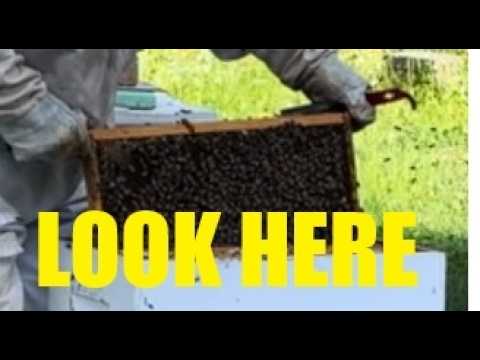
Watch the Full Spring Hive Inspection
This inspection checks multiple hives after winter in the Dandenong Ranges, including strong colonies, winter losses and early signs of seasonal swarm behaviour.
Why Real Spring Inspections Build Confidence
Spring inspections can feel overwhelming for beginners because so much is changing at once.
Some colonies are building fast.
Some are low on stores.
Some show early swarm signs.
Some may not have survived winter at all.
Seeing real inspections helps make that process easier to understand because it shows what actually happens in working hives, not only the ideal version.
Frequently Asked Questions About Spring Hive Inspections
When should you do your first spring hive inspection?
The first full spring inspection should happen when weather is warm enough to open the hive without chilling brood.
What should you check after winter?
Check colony strength, brood pattern, queen activity, honey stores, pollen availability and signs of stress.
Why are food stores important in spring?
Colonies use large amounts of energy to raise brood in spring, so low stores can still create starvation risk.
What are early swarm signs in spring?
Drone brood, queen cups, rapid brood expansion and increasing congestion can all indicate early swarm preparation.
Should you inspect every frame in cold weather?
Not always. In cold conditions, shorter inspections focused on key information may be safer for the colony.
What does healthy spring brood look like?
Healthy spring brood usually appears organised, consistent and supported by active worker bees.
Do all hives survive winter?
No. Even well managed colonies can sometimes fail due to low population, insufficient stores, cold stress or other pressures.
Final Thoughts
The first spring inspection is where the new beekeeping season begins properly.
It reveals which colonies survived, which need support and which are already shifting into growth mode.
In colder climates, this inspection requires careful judgement, because opening a hive too long can create unnecessary stress.
The more you observe, the easier it becomes to understand what each hive needs as the season unfolds.
If you are interested in systems, resilience and long term improvement, you may also enjoy my self improvement and leadership podcast, where I explore practical ways to improve consistently over time.
You can also follow more real hive inspections and seasonal changes on my beekeeping YouTube channel.
More hive inspections and beginner beekeeping videos can be found on my channel.


Comments
Post a Comment