Is It Safe to Mow Near Beehives? What Beginners Should Know
Is It Safe to Mow Near Beehives? What Beginners Should Know
Mowing near beehives sounds like a simple garden job until the bees are already on edge.
Add warm weather, hive activity, wasps in the area and the smell of honey, and suddenly a normal maintenance task can become much more intense.
If you are starting to learn beekeeping, understanding how bees react to mowing, vibration and movement around the apiary is important for staying safe and keeping your colonies calm.
This is one of those small beekeeping jobs where preparation makes a very big difference.
Why Keeping Grass Short Around Hives Matters
Maintaining the area around your hives is not only about keeping the apiary tidy.
Short grass can help with:
- Clearer flight paths for returning foragers
- Better visibility around hive entrances
- Easier inspections and hive access
- Reduced hiding areas for pests
- Safer footing while working bees
A well maintained apiary is easier to manage and safer to work in.
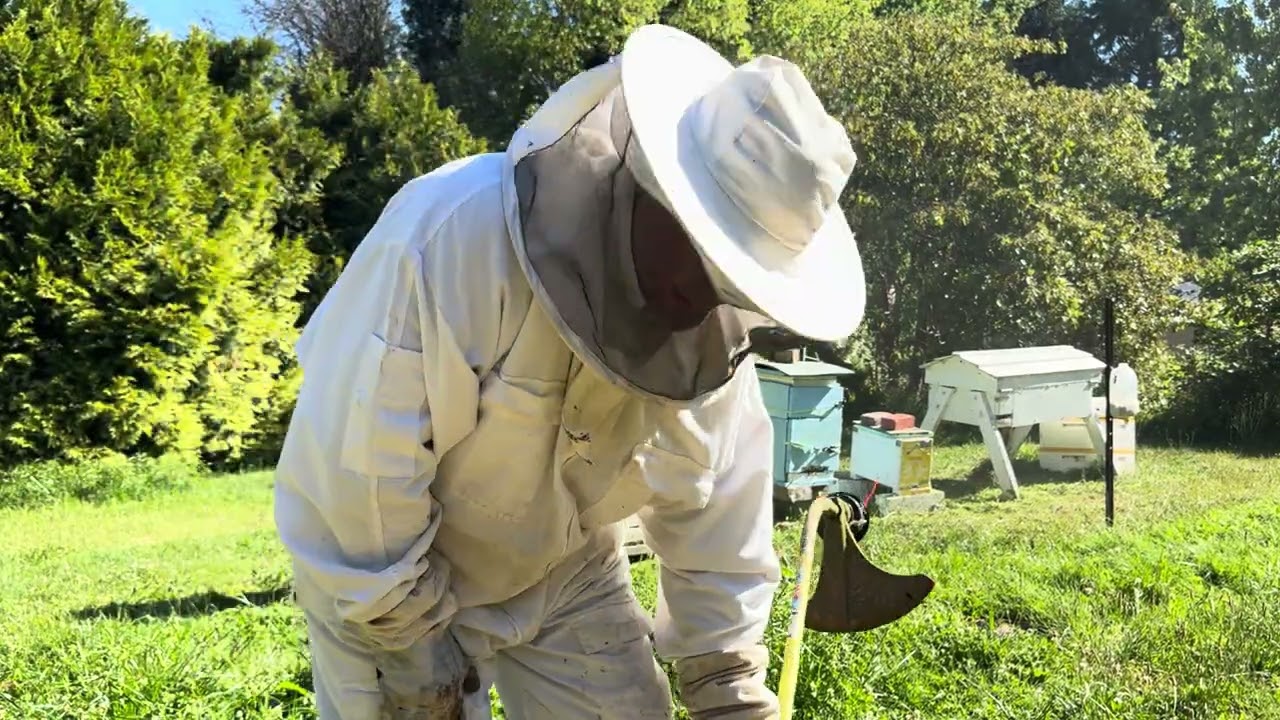
Why Mowing Can Upset Bees
Bees are very sensitive to changes around the hive.
Mowers and whipper snippers can create:
- Loud noise
- Vibration
- Fast movement
- Disturbance near the entrance
- Risk of crushing bees in grass
Those triggers can make colonies more defensive, especially if they are already under pressure.
In active backyard beekeeping, everyday jobs like mowing can become part of hive management.
Why Timing Makes a Difference
Mowing near hives is easier when the bees are calmer.
If possible, avoid mowing when colonies are already irritated by:
- Hot weather
- Wasps or robbing pressure
- Recent hive inspections
- Stormy or unsettled conditions
- Heavy hive traffic near the entrance
The same job can feel completely different depending on the mood of the apiary that day.
Why Protective Gear Helps
Protective clothing can turn a risky job into a manageable one.
Wearing a bee suit or veil while mowing near hives helps you:
- Stay calm if bees become defensive
- Avoid unnecessary stings
- Work more confidently around the apiary
- Finish the job without rushing
It is not about being nervous. It is about being prepared.
Common Mistakes When Mowing Near Bees
One of the biggest mistakes is assuming the bees will ignore the mower.
Sometimes they will.
Other times, they react quickly.
Common beginner mistakes include:
- Mowing too close to the entrance
- Standing directly in the flight path
- Working without protective gear
- Using loud equipment when bees are already defensive
- Ignoring wasp pressure or hive stress
Once defensive behaviour starts, the situation can escalate quickly.
How to Work Around Hives More Safely
A few simple habits can reduce risk when mowing or working near beehives.
- Wear suitable protective gear
- Move calmly and steadily
- Avoid blocking the hive entrance
- Stay out of major flight paths where possible
- Work quickly but not frantically
- Stop if the bees become too defensive
Good apiary maintenance is useful, but not worth pushing the bees too far.
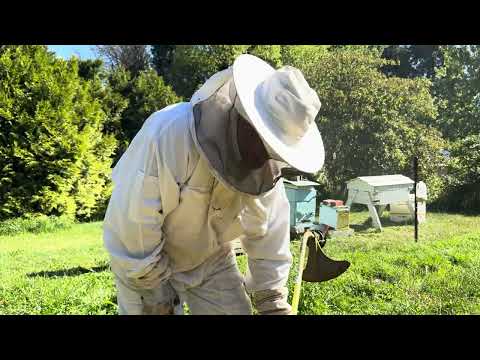
Watch What Happened Mowing Next to the Hives
This video shows what happened when mowing near active beehives while the bees were already on edge from heat, wasps and hive activity.
Why Apiary Maintenance Still Matters
Even though mowing can trigger defensive behaviour, apiary maintenance is still important.
Long grass and untidy areas can create problems over time.
They may:
- Obstruct hive entrances
- Make inspections awkward
- Hide pests or unwanted activity
- Create trip hazards around hive stands
- Make it harder to observe bee behaviour
The goal is not to avoid mowing forever.
The goal is to do it with the right timing, gear and awareness.
What This Really Comes Down To
Mowing near beehives is one of those ordinary jobs that teaches an important beekeeping lesson.
Bees respond to more than just inspections.
They also respond to:
- Noise
- Vibration
- Movement
- Heat
- Nearby pest pressure
Understanding how to make honey also means understanding the everyday environment around the hive.
Frequently Asked Questions About Mowing Near Beehives
Is it safe to mow near beehives?
Yes, but it is best to wear protective gear, avoid blocking hive entrances and mow when colonies are calm.
Why do bees react to lawn mowers?
Bees can react to mower noise, vibration, movement and disturbance near the hive entrance.
Should I wear a bee suit when mowing near hives?
Wearing a bee suit or veil is a good idea, especially if the bees are active, defensive or under pressure.
When is the best time to mow near bees?
Choose a calm time when bees are not already stressed by heat, storms, wasps or recent inspections.
Can long grass around hives cause problems?
Yes. Long grass can obstruct flight paths, hide pests and make hive inspections harder.
What should I avoid when mowing near hives?
Avoid standing in flight paths, mowing directly across the hive entrance or using loud equipment when bees are already defensive.
What should I do if bees become defensive while mowing?
Stop calmly, move away from the hive area and return later when the bees have settled.
Final Thoughts
Mowing near beehives is not about pushing your luck.
It is about understanding bee behaviour and preparing properly before you start.
With the right timing, protective gear and awareness, apiary maintenance becomes much easier to manage.
If you’re just starting out and want to understand the basics before running into situations like this, this how to start beekeeping for beginners guide is a great place to begin.


Comments
Post a Comment