How to Move a Weak Nuc Hive to Escape Wasp Attacks
How to Move a Weak Nuc Hive to Escape Wasp Attacks
When a weak nucleus hive comes under sustained wasp attack, timing matters.
A small colony only has limited resources and limited numbers to defend itself. Once predators identify the hive as an easy target, pressure can build very quickly.
If you are starting to learn beekeeping, understanding when to relocate a struggling hive can make the difference between recovery and collapse.
This nuc hive had reached the point where staying in place was no longer a safe option.
Why Weak Nuc Hives Are Vulnerable to Wasps
Nucleus hives naturally have fewer bees than established colonies.
That means they also have:
- Fewer guard bees
- Less ability to defend the entrance
- Reduced food reserves
- Lower recovery capacity under stress
Wasps are opportunistic predators.
Once they identify a weak hive, they often return repeatedly because the colony cannot effectively push them back.
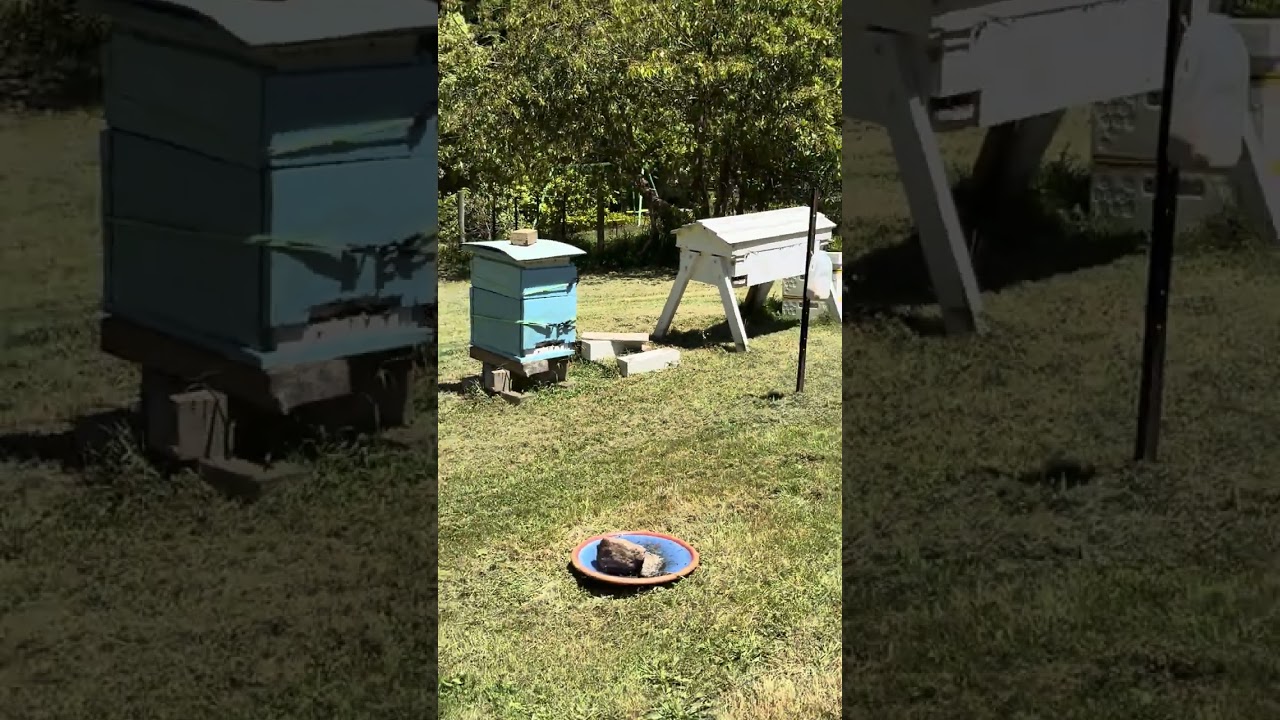
Why Moving the Hive Became Necessary
This colony was already under significant pressure.
The bees were defending themselves, but the attacks were becoming too consistent and too aggressive.
At that point, the goal changes from simply monitoring the hive to actively reducing stress on the colony.
Relocating the nuc created immediate separation between the bees and the wasps targeting them.
Why Moving a Hive at Night Works Better
The hive was moved after dark for a very specific reason.
At night:
- Forager bees are inside the hive
- Bee activity is low
- The colony is calmer
- Fewer bees are lost during relocation
Moving a hive during the day can result in returning foragers flying back to the original location, which weakens the colony even further.
Night relocation keeps the colony together.
What Happened the Next Morning
The most interesting part came the following day.
The wasps returned to the original hive location.
They circled the area, searching for the colony they had targeted the day before.
But the hive was gone.
This is a good example of how persistent wasps can become once they identify an easy source of food or weakness.
For backyard beekeeping, recognising this behaviour early is extremely important.
Using Wasp Bait Stations Carefully
A bait station was also placed near the old hive location to help redirect wasp activity.
Protein based attractants can draw wasps away from vulnerable hives and into a controlled area.
The goal is not necessarily elimination.
It is reducing the pressure on the bees while the colony recovers.
This gives the nuc a much better chance to stabilise without constant attack.
Watching Bees Manage Heat in Hot Weather
The inspection also showed classic hot weather hive behaviour.
At around 35°C, bees could be seen fanning at the entrance.
This behaviour helps:
- Improve airflow
- Regulate internal temperature
- Maintain stable brood conditions
- Reduce heat stress inside the hive
Watching thousands of bees coordinate ventilation is one of the most fascinating parts of beekeeping.
Why Strong Colonies Are Rarely Targeted
One important detail was that nearby stronger colonies were largely ignored by the wasps.
That highlights an important principle.
Wasps usually look for the easiest opportunity, not the strongest hive.
Strong colonies typically have:
- Larger populations
- More guard bees
- Better entrance defence
- Greater organisational stability
A healthy colony is much harder for predators to overwhelm.
Watch What Happened After the Hive Was Moved
This video shows what happened after relocating a weak nuc hive to escape ongoing wasp attacks and give the colony a chance to recover.
What This Situation Really Shows
This was not a disease issue or a queen problem.
It was environmental pressure overwhelming a small colony.
That is an important distinction.
Good beekeeping often comes down to recognising:
- Changes in hive strength
- Predator behaviour
- Environmental stress
- When intervention is necessary
Understanding how to make honey also means understanding how to protect colonies when conditions turn against them.
What Happens Next?
Now that the hive has been relocated, the focus shifts to recovery.
The next steps involve:
- Allowing the colony to settle
- Monitoring population strength
- Reducing stress
- Supporting the hive if needed
- Watching for signs of recovery
If the bees stabilise, the colony may eventually return to the apiary stronger than before.
Frequently Asked Questions About Moving Weak Nuc Hives
Why do wasps attack weak beehives?
Wasps target weak colonies because they are easier to overwhelm and have fewer guard bees defending the entrance.
Should you move a hive during wasp attacks?
Relocating a hive can help reduce pressure if the colony is being overwhelmed and cannot defend itself properly.
Why move a hive at night?
At night, most bees are inside the hive and inactive, which helps reduce confusion and prevents foragers being left behind.
Do wasps return to the same hive location?
Yes. Once wasps identify a food source or weak colony, they often return repeatedly to the same location.
Can strong hives defend themselves against wasps?
Strong colonies with large populations and active guard bees are usually much harder for wasps to attack successfully.
What are bees doing when they fan at the entrance?
Bees fan their wings to improve airflow and help regulate internal hive temperature during hot weather.
Can a weak nuc hive recover after relocation?
Yes. Reducing stress and predator pressure can give a struggling colony a better chance to rebuild and stabilise.
Final Thoughts
Relocating this nuc hive created breathing room for the colony.
Without constant wasp attacks, the bees now have a better chance to rebuild population and recover strength.
Sometimes the best thing you can do in beekeeping is recognise a problem early and act before the colony reaches breaking point.
If you’re just starting out and want to learn the basics before dealing with situations like this, this how to start beekeeping for beginners guide is a great place to begin.


Comments
Post a Comment