How to Inspect a Long Langstroth Hive in Unpredictable Weather
How to Inspect a Long Langstroth Hive in Unpredictable Weather
What actually happens inside a long Langstroth hive during a real inspection?
Not the perfect sunny day version. The real version where weather changes halfway through, the colony reacts differently and decisions need to be adjusted in real time.
That is what makes inspections in cooler climates so valuable for beginner beekeepers.
If you are beginning to learn beekeeping, understanding how to read a hive during changing conditions becomes one of the most important practical skills you can develop.
In the Dandenong Ranges, weather can shift rapidly from sunshine to rain within minutes. That means hive inspections are rarely just routine checklists. They become exercises in observation, timing and decision making.
Why Weather Changes Everything During an Inspection
This inspection began during light rain, which immediately altered hive behaviour.
When conditions become unstable:
- Bees often become more defensive
- Nectar flow may slow down
- Flying activity changes
- Colonies become more reactive to disturbance
This changes how the beekeeper needs to work.
Movements become slower. Smoke use becomes more deliberate. Inspection times become shorter.
In cooler climates, you often work with the weather window available rather than waiting endlessly for perfect conditions.

What Makes a Long Langstroth Hive Different?
Long Langstroth hives operate differently compared to traditional stacked hive systems.
Instead of expanding vertically through heavy boxes, the colony expands horizontally across the hive.
This creates several advantages:
- No heavy box lifting
- Easier frame access
- Clearer full hive visibility
- More natural horizontal colony layout
For many people, especially backyard beekeepers, the reduced lifting becomes one of the biggest long term benefits.
However, there are trade offs as well.
Why Heat Retention Matters in Long Hives
One challenge with long Langstroth setups is temperature management.
Because the hive spreads horizontally:
- Heat disperses differently
- Cold conditions affect the colony more easily
- Brood warmth becomes harder to stabilise
This is why insulation becomes particularly important in cooler climates.
In this setup, insulation panels help:
- Reduce temperature swings
- Support brood development
- Improve colony consistency
- Reduce winter stress
This is one reason experienced backyard beekeeping often becomes heavily focused on environmental stability rather than equipment alone.
What to Look for During a Hive Inspection
Once the hive opens, the inspection focuses on several key areas:
- Honey stores
- Brood development
- Larvae presence
- Drone activity
- Queen cups and swarm indicators
Each frame provides part of the overall picture.
Together, they reveal:
- Whether the colony is growing
- If food reserves are stable
- Whether swarm pressure is increasing
- How the queen is performing
This is why inspections become far more than simply opening the hive and looking around randomly.
Why Honey Stores Can Change Quickly
One of the key observations during this inspection was how rapidly food reserves had shifted.
The feeder frames had already been stripped of syrup, indicating the colony had consumed the available resources quickly.
At the same time:
- Fresh nectar was beginning to appear
- Natural forage conditions were improving
- The colony was transitioning away from feeding support
This transitional phase is extremely important.
Removing support too early can weaken the colony.
Continuing support too long can interfere with natural hive behaviour.
Good timing becomes critical.
Why Brood Patterns Matter So Much
The brood frames revealed strong positive signs:
- Healthy larvae at multiple stages
- Consistent brood patterns
- Good queen laying activity
- Expanding colony population
These are all indicators of a healthy and productive colony.
However, strong brood alone does not guarantee strong honey reserves.
Colonies can expand rapidly while still having relatively limited stored resources, especially during transitional nectar periods.
How Early Swarm Signs Begin Appearing
During the inspection, early queen cups and increasing drone activity began appearing.
These signs do not automatically mean swarming is imminent.
But together they suggest:
- Population pressure is increasing
- The colony is expanding rapidly
- Swarm preparation may begin soon
This is why regular inspections matter so much.
Early detection creates more management options before swarm preparation accelerates fully.
Why Knowing When to Stop Matters
As rain conditions worsened during the inspection, the hive was closed earlier than originally planned.
This is one of the most important judgement calls in beekeeping.
Leaving the hive exposed too long during poor weather risks:
- Chilling brood
- Increasing colony stress
- Disrupting internal hive stability
Sometimes the best inspection is not the longest one.
It is the one that gathers enough information while protecting the colony properly.
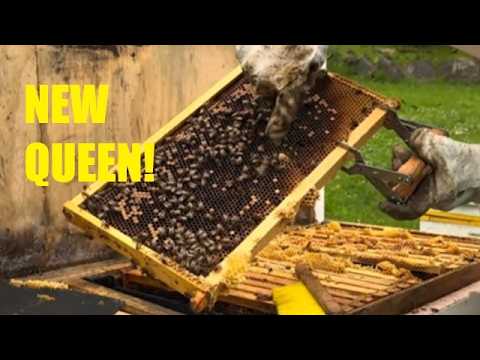
Watch the Full Long Langstroth Hive Inspection
This inspection shows what real world long Langstroth hive management looks like during changing weather conditions, including brood checks, honey assessment and early swarm observations.
Why Real Inspections Build Confidence Faster
One of the hardest parts of beginner beekeeping is knowing what actually matters during an inspection.
Understanding how to make honey eventually becomes about understanding:
- Brood health
- Food reserves
- Environmental timing
- Colony behaviour
- Population pressure
Seeing inspections under real conditions helps simplify that learning process dramatically.
The more inspections you observe, the more pattern recognition begins developing naturally over time.
Frequently Asked Questions About Long Langstroth Hives
What is a long Langstroth hive?
A long Langstroth hive is a horizontal hive system where frames expand sideways instead of vertically through stacked boxes.
What are the advantages of a long Langstroth hive?
Benefits include easier frame access, reduced heavy lifting and clearer visibility across the entire colony.
Do long Langstroth hives need insulation?
In colder climates, insulation can help stabilise temperatures and support brood development more effectively.
Why do bees become defensive during rain?
Changing weather conditions, reduced nectar flow and unstable pressure often increase colony defensiveness.
What should you look for during a hive inspection?
Key areas include brood patterns, food stores, larvae, queen activity and early swarm indicators.
Why are queen cups important?
Queen cups can indicate increasing swarm preparation or future queen replacement activity inside the colony.
Why should inspections be shorter during poor weather?
Long inspections during cold or wet conditions can chill brood and increase stress on the colony.
Final Thoughts
Real world beekeeping rarely happens under perfect conditions.
Weather changes. Colonies react differently. Inspections need adjusting constantly.
That adaptability is one of the most valuable skills a beekeeper develops over time.
The more you observe colonies under changing conditions, the more clearly the hive begins communicating what it needs.
If you are interested in systems, resilience and long term improvement, you may also enjoy my self improvement and leadership podcast, where I explore practical ways to improve consistently over time.
You can also follow more real hive inspections and seasonal changes on my beekeeping YouTube channel.
More hive inspections and beginner beekeeping videos can be found on my channel.


Comments
Post a Comment