Why Healthy Beehives Sometimes Produce No Honey
Why Healthy Beehives Sometimes Produce No Honey
One of the biggest surprises in backyard beekeeping is discovering that a hive can look incredibly healthy while producing almost no surplus honey.
Bees are flying constantly. Brood looks strong. Colonies appear active and productive.
Yet when the frames are inspected properly, there is little to no harvestable honey anywhere inside the hive.
If you are beginning to learn beekeeping, this is one of the most important realities to understand early.
Strong activity does not automatically mean strong honey production.
Sometimes colonies are surviving well while still struggling to build meaningful reserves.
Why Busy Bees Do Not Always Mean Honey Surplus
Many beginners naturally assume that:
- High activity equals high honey production
- Large populations mean surplus honey
- Strong brood guarantees strong harvests
But bees do not prioritise human honey harvests.
They prioritise colony survival first.
That means available nectar often gets directed toward:
- Feeding brood
- Supporting population growth
- Maintaining colony strength
- Preparing for future conditions
Only after those needs are satisfied does meaningful surplus honey begin accumulating.

Three Hives, Three Completely Different Situations
This inspection covered three separate colonies:
- Two standard Langstroth hives
- One long Langstroth hive
At first glance, all three looked promising externally.
There was:
- Strong flying activity
- Healthy looking populations
- Visible brood development
- Active worker behaviour
But internally, the picture changed dramatically.
Each hive revealed a different version of the same underlying issue:
- Low honey reserves
- Minimal surplus storage
- Heavy focus on brood support
This is where real backyard beekeeping begins.
Not in idealised theory, but in understanding how colonies respond to real environmental conditions.
Why Nectar Flow Changes Everything
Honey production depends heavily on nectar availability.
Even healthy colonies struggle to build surplus reserves when:
- Flowering conditions are poor
- Weather becomes unstable
- Rain limits foraging
- Seasonal timing shifts
In difficult seasons, colonies may remain healthy while still failing to accumulate excess honey.
That does not necessarily mean the hive is unhealthy.
It often means the environment itself is limiting production.
Why Feeding Sometimes Becomes Necessary
One of the most misunderstood parts of beekeeping is feeding.
Many people incorrectly assume feeding means failure.
In reality, feeding is often a management tool that prevents colony collapse during poor conditions.
In one hive during this inspection:
- Population remained strong
- Comb was available
- Honey stores were extremely low
At that point, feeding became essential.
Sugar syrup helps bridge the gap when natural nectar sources are insufficient.
The goal is not replacing honey permanently.
The goal is helping the colony survive difficult periods until natural forage improves again.
Why Timing Matters With Feeding
Feeding decisions involve careful timing.
Start too late and the colony may weaken rapidly.
Continue too long and natural hive behaviour may become disrupted.
This is where experience gradually develops through observation.
Beekeepers begin learning:
- When colonies genuinely need support
- How quickly reserves disappear
- How nectar conditions influence behaviour
- How different hives respond differently
Why Strong Brood Does Not Guarantee Honey
The long Langstroth hive in this inspection demonstrated an important distinction clearly.
Internally, the colony looked excellent:
- Healthy brood patterns
- Fresh larvae
- Strong queen activity
- Active workers throughout the hive
Yet despite all of this:
- Honey surplus remained extremely limited
This is one of the biggest mindset shifts beginner beekeepers eventually make.
Healthy colonies and productive honey harvests are related, but they are not identical.
A colony can function extremely well while still producing very little surplus for the beekeeper.
Why Hive Behaviour Changes During Difficult Conditions
During inspections, colonies under pressure sometimes become noticeably more defensive.
Many beekeepers describe these hives as getting a bit spicy.
This often reflects:
- Environmental stress
- Reduced nectar availability
- Colony pressure
- Defensive resource protection
Good inspections rely heavily on:
- Calm movements
- Proper smoke use
- Reading hive behaviour carefully
Protective equipment matters, but awareness and observation matter even more.
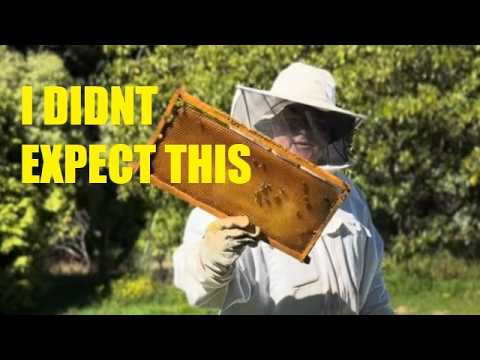
Watch the Full Hive Inspection and Honey Shortage
This inspection shows three different colonies dealing with the same underlying issue: strong hive activity but very limited honey reserves during difficult conditions.
Why Real Beekeeping Looks Different From Expectations
One of the biggest adjustments beginner beekeepers make is moving away from idealised expectations.
Understanding how to make honey eventually becomes about understanding:
- Environmental conditions
- Season timing
- Brood demands
- Resource allocation
- Colony priorities
Not every season produces large harvests.
Sometimes success simply means helping healthy colonies survive difficult conditions and continue progressing steadily.
Frequently Asked Questions About Low Honey Production
Why do healthy hives sometimes produce no honey?
Colonies prioritise brood development and survival before storing surplus honey for harvest.
Can a hive be strong but still need feeding?
Yes. Strong populations may still struggle if nectar availability is poor and honey reserves remain low.
Does low honey mean the hive is unhealthy?
Not necessarily. Environmental conditions heavily influence nectar flow and surplus production.
Why do bees prioritise brood over honey storage?
Maintaining colony survival and raising new workers are more important for long term colony stability.
When should beekeepers feed their hives?
Feeding may become necessary when colonies lack sufficient reserves and natural forage conditions remain poor.
What causes poor nectar flow?
Weather changes, rainfall, flowering conditions and seasonal timing all affect nectar availability.
Can long Langstroth hives still struggle with honey production?
Yes. Hive type does not override environmental conditions or nectar availability.
Final Thoughts
One of the most valuable parts of beekeeping is learning to separate colony health from unrealistic harvest expectations.
A hive can be active, healthy and functioning extremely well while still producing little or no surplus honey during difficult seasons.
Understanding that difference helps beginner beekeepers make calmer and more informed decisions over time.
If you are interested in systems, resilience and long term improvement, you may also enjoy my self improvement and leadership podcast, where I explore practical ways to improve consistently over time.
You can also follow more real hive inspections and seasonal changes on my beekeeping YouTube channel.
More hive inspections and beginner beekeeping videos can be found on my channel.


Comments
Post a Comment