What Bees Can Teach Us About Nature, Beekeeping and Working Together
What Bees Can Teach Us About Nature, Beekeeping and Working Together
Bees are more than honey makers. They are one of the clearest examples of how nature works through cooperation, timing, communication and shared purpose. For anyone starting to understand beekeeping, watching a hive in action can be one of the best ways to learn how colonies survive, adapt and work together through changing seasons.
This is a good place to begin if you are curious about backyard beekeeping, hive behaviour, pollinators, sustainability, gardening, or what bees can teach us about paying closer attention to the natural world.
I’m Bryan, and this blog follows real observations from my beekeeping life in the Dandenong Ranges in Melbourne’s outer east. It is a place where I share what I am learning from bees, gardens, weather, seasons and the local environment around me.
Why Bees Are Such Powerful Teachers
A healthy bee colony works as a living system. Every bee has a role, and those roles change as the colony needs them. Nurse bees care for brood, foragers search for nectar and pollen, guard bees protect the entrance, and the queen keeps the colony moving forward.
That is one of the reasons beekeeping is so fascinating. When you look inside a hive, you are not just seeing insects. You are seeing organisation, communication, problem solving and adaptation happening in real time.
If you are curious about how bees behave, how hives change through the seasons, or what backyard beekeeping really looks like, this is a great place to begin. You can also learn beekeeping, explore backyard beekeeping, and follow real hive inspections over on my channel.
What Backyard Beekeeping Looks Like in the Real World
Backyard beekeeping is not only about collecting honey. It is about observation. A beekeeper needs to notice when a hive is building strongly, when it is under pressure, when food stores are low, when the weather is affecting behaviour, and when the colony may be preparing to swarm.
In the Dandenong Ranges, conditions can change quickly. Cold weather, rain, wind, flowering patterns and seasonal shifts all affect how bees behave. That means beekeeping here often involves learning from the bees themselves and adjusting decisions based on what the colony is showing.
Watching a hive change through the seasons teaches patience, respect and careful attention. Some days the signs are obvious. Other days, the most important clues are subtle.
How Bees Work Together Inside a Hive
A bee colony depends on cooperation. Individual bees do not survive well alone, but together they create something incredibly organised. They regulate temperature, raise young, collect resources, defend the hive and prepare for future conditions.
This is where bees become such a useful example for understanding systems. A strong hive is not successful because one bee does everything. It succeeds because thousands of small actions work together toward the same outcome.
That is part of what makes hive inspections so interesting. Every frame can reveal something different about the colony’s condition, from brood patterns and honey stores through to pollen, wax building, queen activity and overall temperament.
Why Gardening and Pollinators Are Connected
The more time you spend around bees, the more you start noticing plants. You notice what is flowering, what the bees are visiting, which parts of the garden are alive with activity, and which areas could offer more support to pollinators.
Gardening and beekeeping naturally belong together. A garden that supports bees can also support butterflies, native insects and other beneficial pollinators. Even small planting choices can make a difference when they provide food across more of the year.
That connection is one of the reasons sustainability matters to me. Small choices add up, especially when they are repeated over time.
Watch the Video: What Bees Can Teach Us
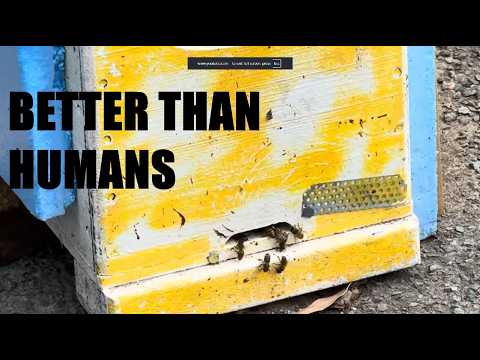
This video is an introduction to the kind of thinking behind this blog. It looks at bees, nature, observation and the lessons that come from watching a colony work together.
What This Blog Is About
This blog is a place for beekeeping, gardening, sustainability, photography, local exploring and the occasional lesson life has handed me along the way. It is not meant to be polished or perfect. It is more a reflection of the things I care about, the questions I keep asking, and the experiences that stay with me long after the day is done.
I live in the Dandenong Ranges in Melbourne’s outer east, and it is a beautiful part of the world to call home. The trees, the hills, the changing weather, and the sense of space all feed into the way I see things. Nature is not something off in the distance here. It is part of everyday life.
Photography and local exploring also make their way in here because they are part of how I slow down and notice things. Sometimes that means capturing a quiet landscape, and other times it means sharing a local place worth visiting.
I have spent time as a lifeguard and sailor, and over the years motorcycles, fishing, camping, and a general love of adventure have all played their part. These days the pace may be a little different, but the curiosity is still very much there.
Beekeeping, Growth and The Long Way Forward
I also spend time thinking about growth, motivation, and leadership. That is where my podcast comes in. If that side of things interests you, you can explore self improvement, leadership mindset, and practical motivation strategies on The Long Way Forward podcast.
If you are here for bees, I hope you pick up something helpful along the way. If you are here for sustainability, gardening, photography, or just a more thoughtful look at life outdoors, I hope this space feels worthwhile.
Frequently Asked Questions About Bees and Beekeeping
What can bees teach us about working together?
Bees show how shared roles, communication and cooperation help a colony survive. Every bee contributes to the health of the hive.
Is backyard beekeeping only about making honey?
No. Backyard beekeeping is also about understanding bee behaviour, supporting pollinators, observing seasonal changes and caring for hive health.
Why is hive behaviour important for beginner beekeepers?
Hive behaviour helps beekeepers understand whether a colony is strong, stressed, building, low on food, preparing to swarm or responding to weather.
How does weather affect bees?
Weather affects when bees fly, how they collect food, how they regulate hive temperature and how quickly a colony builds through the season.
Why are bees important for gardens?
Bees help pollinate many flowering plants, which supports gardens, food production and wider ecosystems.
Can you learn beekeeping by watching real hive inspections?
Yes. Real hive inspections help beginners understand what beekeepers look for inside a colony and how hive conditions change over time.
Why does beekeeping encourage better observation?
Beekeeping teaches you to notice small changes in bee activity, flowering plants, weather, food stores and colony behaviour.
Final Thoughts
Bees have a way of making you slow down and pay attention. The more time you spend around them, the more you realise that a hive is not random. It is organised, responsive and deeply connected to the world around it.
Thanks for stopping by. I appreciate you being here, and I hope you find something in these posts that informs, encourages, or simply gives you something interesting to think about.


Comments
Post a Comment