How Long Have People Been Keeping Bees? The History of Beekeeping Explained
How Long Have People Been Keeping Bees? The History of Beekeeping Explained
Humans have been interacting with bees for thousands of years, long before modern farming or commercial agriculture existed. From dangerous wild honey hunting through to the invention of modern hives, the history of beekeeping tells the story of how people gradually learned to work with bees instead of simply taking from them.
Today, whether you are running commercial hives or simply starting learn beekeeping with real hive inspections, many of the same natural bee behaviours observed thousands of years ago can still be seen during a modern hive inspection.
In colder mountain climates like the Dandenong Ranges, where seasonal conditions can change rapidly, understanding how bees naturally survive and organise themselves becomes even more important. Watching colonies adapt through winter, store honey, and regulate hive temperature gives modern beekeepers a direct connection to practices that stretch back through human history.
What Is the Oldest Evidence of Beekeeping?
The earliest known evidence of humans interacting with bees dates back more than 10,000 years. Ancient cave paintings discovered in Spain show people climbing cliffs to harvest honey from wild bee colonies.
These early honey hunters had no protective suits, smokers, or modern hive tools. Collecting honey was dangerous, physically demanding, and often involved climbing high rock faces while surrounded by defensive bees.
The fact that people were willing to take these risks shows how valuable honey was to ancient societies. Honey provided energy, nutrition, and medicinal uses long before processed sugar existed.

When Did Humans Start Keeping Bees?
Early humans originally gathered honey from wild colonies, but over time people began creating simple structures designed to encourage bees to stay nearby.
These early hives included hollow logs, woven baskets, clay cylinders, and carved wooden cavities. Instead of searching forests for wild hives, communities could now maintain colonies closer to home.
This transition marked the beginning of organised beekeeping.
Modern backyard beekeeping still follows many of the same principles today. Beekeepers provide shelter, inspect hive health, manage space inside the colony, and work alongside the natural instincts of the bees.
How Ancient Civilisations Used Bees
Ancient Egypt is one of the earliest recorded civilisations known to actively manage bees. Egyptian beekeepers used clay hives stacked horizontally and transported colonies along the Nile to follow flowering plants throughout the seasons.
Honey was considered extremely valuable and was often used in medicine, religious ceremonies, and food preservation.
The Greeks and Romans later expanded on early beekeeping knowledge by documenting bee behaviour and colony organisation. Philosophers such as Aristotle studied bees extensively, helping establish some of the earliest written observations about hive structure and queen bees.
Different forms of beekeeping also developed independently throughout China, Africa, Central America, and Europe, demonstrating how important bees became across many cultures.
How the Langstroth Hive Changed Beekeeping Forever
One of the biggest breakthroughs in beekeeping history came during the 19th century when Lorenzo Langstroth developed the movable frame hive.
Langstroth discovered the concept of "bee space", the precise gap bees naturally leave between comb surfaces. This allowed frames to be removed and inspected without destroying the colony.
That single innovation transformed modern beekeeping.
Today, most hive systems still follow this principle. During modern hive inspections, beekeepers can check brood patterns, honey stores, pest activity, queen health, and colony strength while minimising disruption to the bees.
Even after thousands of years, the goal remains largely unchanged. Support healthy colonies while allowing bees to behave naturally.
Why Understanding Bee History Still Matters Today
Modern bees face challenges that ancient beekeepers never encountered. Climate instability, habitat loss, pesticides, pests, and disease all place additional pressure on colonies.
Understanding how bees naturally survive helps modern beekeepers make better decisions during different seasons.
In cooler Australian mountain regions, for example, colony insulation, food reserves, moisture control, and winter hive positioning become critical survival factors. Watching how bees regulate hive temperature and conserve resources during colder months provides valuable insight into how resilient colonies really are.
Understanding how to make honey today also means understanding how environmental conditions affect nectar flow, colony behaviour, and long term hive health.
Watch Real Beekeeping in Action
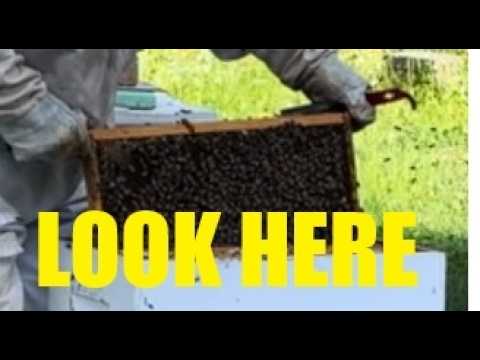
This video explores real world beekeeping observations, hive behaviour, and the ongoing relationship between humans and bees. Seeing colonies in action helps connect modern hive management with thousands of years of beekeeping history.
Frequently Asked Questions About the History of Beekeeping
How long have humans been keeping bees?
Humans have interacted with bees for more than 10,000 years. Early evidence comes from cave paintings showing people collecting honey from wild colonies.
What is the oldest evidence of beekeeping?
Ancient cave paintings discovered in Spain are among the oldest known records of human honey gathering and interaction with bees.
Did ancient Egyptians keep bees?
Yes. Ancient Egyptians managed bees using clay hives and considered honey highly valuable for food, medicine, and religious use.
Who invented the modern beehive?
Lorenzo Langstroth developed the movable frame hive during the 1800s using the concept of bee space, which revolutionised modern hive inspections and honey harvesting.
Why is beekeeping important today?
Beekeeping supports pollination, food production, biodiversity, and environmental health while also producing honey and beeswax products.
How did early humans collect honey?
Early humans climbed cliffs and trees to harvest honey directly from wild colonies without protective equipment or modern tools.
What can modern beekeepers learn from history?
Historical beekeeping practices help modern beekeepers understand natural colony behaviour, seasonal survival strategies, and the long term relationship between humans and bees.
Final Thoughts
From ancient honey hunters through to modern hive inspections, the relationship between humans and bees has remained remarkably consistent.
What has changed most is not the bees themselves, but our understanding of how colonies function and survive.
If you are interested in thinking more clearly about systems, growth, and long term improvement, you may also enjoy my self improvement and leadership podcast.
You can also explore real hive inspections and seasonal behaviour on my beekeeping YouTube channel.
More videos you might like:


Comments
Post a Comment