Why Bees Are a Warning Sign for Environmental Change
Why Bees Are a Warning Sign for Environmental Change
Bees are one of the clearest indicators of environmental health. When ecosystems are stable, colonies can build strongly, forage consistently and store enough resources to survive changing seasons. When conditions become unpredictable, bees often feel the effects quickly.
That is one reason beekeeping teaches you to think differently about sustainability. Looking after bees is not only about producing honey. It is about understanding how weather, flowering patterns, water availability, land use and human behaviour all connect together.
If you spend time outdoors or start to learn beekeeping, you begin to notice how closely environmental systems are linked. A weak flowering season affects nectar flow. Sudden weather swings affect bee behaviour. Habitat loss affects pollinator diversity.
Over time, a hive becomes more than a box of bees. It becomes a living reflection of the environment around it.
What Bees Can Tell Us About Ecosystem Health
Healthy bee colonies rely on stable environmental conditions. They need reliable forage, access to water, suitable temperatures and healthy plant diversity throughout the season.
When those conditions shift, colonies often show signs quickly:
- Reduced nectar collection
- Lower honey stores
- Increased stress inside the hive
- Changes in brood production
- Greater pressure from pests and disease
This is why bees are often described as environmental indicators. Their survival depends on the wider health of the ecosystem around them.

Why Recycling Helps But Does Not Solve Everything
Working in waste management for more than two decades has shown me that recycling absolutely makes a difference when systems function properly.
Recycling reduces landfill pressure, lowers demand for raw material extraction and saves energy across many industries.
For example:
- Recycling aluminium saves significant amounts of energy
- Recycled paper reduces pressure on forests and water use
- Steel and plastic recycling reduce manufacturing demand
- Reusing materials extends product life cycles
These are important gains. But recycling only addresses waste after consumption has already happened.
Why Reducing Consumption Has a Bigger Environmental Impact
Every product carries an environmental cost before it even reaches the customer. Manufacturing, transport, packaging, storage and disposal all require energy and resources.
That means reducing unnecessary consumption often creates a larger environmental benefit than recycling alone.
It is not about eliminating convenience or living perfectly. It is about making more intentional decisions over time.
Even small changes repeated consistently can reduce environmental pressure significantly.
What Beekeeping Teaches About Systems Thinking
One reason beekeeping becomes so interesting is because hives operate as systems rather than isolated actions.
A colony responds to:
- Seasonal weather
- Flowering conditions
- Food availability
- Moisture levels
- Temperature changes
- Environmental stress
The same applies to sustainability. Environmental issues are rarely caused by one single action. They are usually the result of many connected pressures building over time.
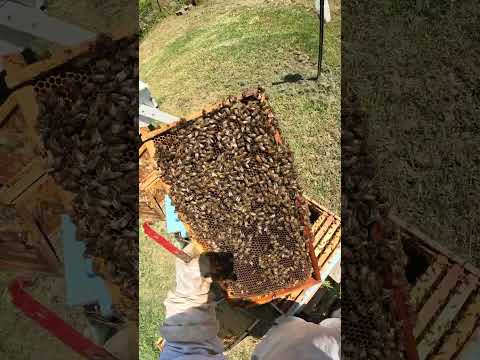
This becomes especially noticeable during real hive inspections. Colony behaviour often changes long before major problems become visible.
This is also one reason many people become interested in backyard beekeeping. Watching how colonies respond to environmental conditions creates a much deeper understanding of how natural systems actually function.
How Environmental Pressure Affects Bees
Bees depend heavily on predictable flowering seasons and stable forage availability. When weather patterns become inconsistent, colonies can struggle to maintain food reserves.
Some of the biggest environmental pressures affecting bees today include:
- Habitat loss
- Extreme weather events
- Reduced floral diversity
- Pesticide exposure
- Disease and pest pressure
- Changing seasonal timing
If you are interested in how to make honey, you quickly realise honey production depends heavily on environmental stability.
A healthy hive requires a healthy surrounding ecosystem.
Watch Real Hive Management and Sustainability in Action
This video explores sustainability, environmental thinking and real hive management observations through practical beekeeping experiences.
Small Sustainability Changes That Actually Help
Sustainability does not need to start with massive lifestyle changes. Often the most effective improvements are smaller actions repeated consistently over time.
- Buy fewer, higher quality products
- Repair instead of replacing where possible
- Recycle correctly to reduce contamination
- Support pollinator friendly gardens
- Reduce unnecessary packaging waste
- Choose reusable alternatives when practical
These actions become far more powerful when repeated across communities rather than individuals acting alone.
Beekeeping, Long Term Thinking and Responsibility
One of the biggest lessons bees teach is patience. Colonies do not respond instantly. Strong hives are built through gradual improvement, environmental balance and long term stability.
Sustainability works much the same way.
It is not about perfection. It is about awareness, responsibility and making better decisions over time.
If you are interested in thinking more clearly about long term decisions and consistent progress, you may also find value in my self improvement and leadership podcast.
You can also explore real world environmental observations and hive behaviour on my beekeeping YouTube channel.
Frequently Asked Questions About Bees and Sustainability
Why are bees considered environmental indicators?
Bees respond quickly to changes in forage, weather, habitat and environmental stress, making them useful indicators of ecosystem health.
How does climate change affect bees?
Climate change can disrupt flowering seasons, reduce food availability and create more extreme weather conditions that place pressure on colonies.
Why is pollinator diversity important?
Pollinator diversity supports healthy ecosystems, improves plant reproduction and strengthens environmental resilience.
Does recycling help the environment?
Yes. Recycling reduces waste, conserves raw materials and lowers energy use across many industries when done properly.
Why is reducing consumption important for sustainability?
Reducing consumption lowers demand for manufacturing, transport, packaging and resource extraction before waste is even created.
How does beekeeping improve environmental awareness?
Beekeeping helps people notice seasonal changes, flowering patterns, weather impacts and the health of local ecosystems.
What can bees teach us about sustainability?
Bees demonstrate how connected natural systems are and how environmental balance supports long term survival and resilience.
Final Thoughts
Bees are deeply connected to the environment around them. When conditions improve, colonies often thrive. When systems become unstable, hives usually feel the effects quickly.
That is one reason beekeeping changes how many people think about sustainability. It shifts the focus from isolated actions toward understanding larger systems and long term environmental balance.
More videos you might like:


Comments
Post a Comment