What Bees Taught Me About Teamwork… (It’s Not What You Think) 🐝
What Bees Taught Me About Teamwork… (It’s Not What You Think)
Every now and then, the bees teach you something you weren’t expecting.
Not about honey. Not about inspections.
Something bigger.
Watch This Baby Hive Update
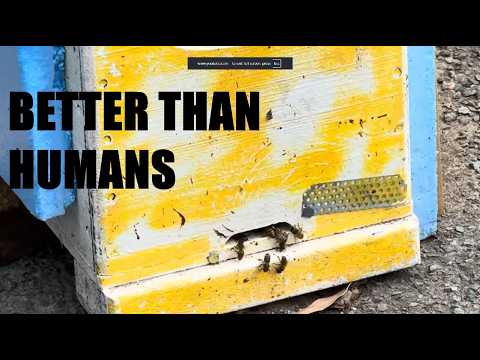
See this video about how a new hive forms and how bees work together instinctively
For more content beyond beekeeping:
https://linktr.ee/thelongwayforward
How This Baby Hive Started
This colony didn’t come from one hive.
It came from three.
Nurse bees, eggs, and honey were brought together to give this small nucleus hive a chance to grow.
Different sources. Different roles. One outcome.
What You Expect to Happen
If humans were put into the same situation, it would probably look very different.
There would be competition.
Disagreement.
Maybe even conflict.
But that’s not what happens here.
What Actually Happens Instead
The moment these bees come together, they start working.
- Some care for eggs and larvae
- Some guard the entrance
- Others head out to forage
- And inside, they begin raising a new queen
No hesitation. No confusion.
Just action.
Why This Matters
Every bee takes on the role that supports the colony.
Not the easiest role. Not the most visible one.
The one that is needed.
That is how the colony survives.
The Stage This Hive Is In Right Now
This is a critical moment.
Somewhere inside, a new queen has either emerged… or is about to.
But I have not opened the hive yet.
And that is intentional.
Some of my other posts you might like
- Are my bees about to swarm what to look for
- What your hive is trying to tell you
- What I found inside my strongest hive
- Facing beehives the wrong way what happened
- Trying to save a failing hive what I discovered
Why I Am Waiting
Opening the hive too early can do more harm than good.
A new queen needs time to settle, mate, and begin laying.
Disturbing that process can set the colony back.
So for now, I wait.
What I Look for From the Outside
Even without opening the hive, there are signs to watch.
Bees returning with pollen is one of the best indicators.
It suggests the colony is preparing to raise brood.
That is always a good sign.
Why This Process Is So Fascinating
This hive started as a handful of frames.
Now it has the potential to become a full colony.
All because each bee does its part.
What Bees Teach Without Trying
There is no instruction manual inside the hive.
No leader telling them what to do.
Just instinct, cooperation, and purpose.
And somehow, it works.
Final Thoughts
This is one of the most rewarding parts of beekeeping.
Not just watching the hive grow.
But understanding how it grows.
Quietly. Consistently. Together.
And sometimes, that lesson sticks with you long after the inspection is done.
If you’re new to beekeeping, this is one of those moments where things start to connect beyond just the mechanics of running a hive. You’re not just looking at frames and bees anymore, you’re starting to understand how everything fits together and why it works.
That’s what makes this Blogspot site so valuable for beginners. It goes beyond the basics and shows you how real hives behave as a system. You begin to see how different roles come together, how decisions play out over time, and how patience often matters more than action.
Over time, this is what builds confidence. You stop second guessing every step and start trusting the process a bit more. Being able to come back and revisit examples like this helps reinforce that understanding so you’re not just learning what to do, but why it works.
If you’re just starting out and want to better understand how to observe your hive and learn from each inspection, this how to read a beehive during inspections guide is a great place to begin.
If you're interested in exploring ideas around teamwork, mindset, and long term growth, you can also check out my leadership and personal development podcast.


Comments
Post a Comment