How to Tell if a Beehive Is Queenless Before It Completely Collapses
How to Tell if a Beehive Is Queenless Before It Completely Collapses
One of the most deceptive situations in beekeeping is a hive that still looks strong from the outside while quietly developing a major internal problem.
Bees are flying. Nectar is coming in. Pollen baskets are full. The colony appears busy and productive.
Then the brood box gets opened and suddenly the entire picture changes.
If you are beginning to learn beekeeping, understanding the early warning signs of a queenless hive is one of the most important skills you can develop.
A colony can remain highly active for a surprisingly long time after queen loss, which is exactly why the problem is often missed until the brood cycle has already stopped.
What Are the First Signs of a Queenless Hive?
The earliest signs often appear inside the brood chamber rather than at the hive entrance.
During this inspection, several things immediately stood out:
- No fresh eggs
- No larvae
- No capped worker brood
- Strong adult bee population
- Nectar and pollen still entering the hive
That combination is extremely important.
The colony still appears strong because adult worker bees remain alive and active. But without brood production continuing, the hive is slowly moving toward population decline.

Why No Eggs and No Brood Is a Serious Warning Sign
Healthy queens lay continuously during active seasons.
A normal brood frame should usually contain:
- Fresh eggs
- Young larvae
- Capped brood
- Developing worker bees
When all stages disappear simultaneously, something is wrong.
The hive may be:
- Queenless
- Attempting to requeen
- Experiencing queen failure
- Recovering after swarming
Without fresh eggs, the colony cannot continue replacing workers long term.
That creates a countdown the hive cannot escape unless a functioning queen returns.
Why Queenless Hives Often Become Aggressive
One of the clearest behavioural changes during this inspection was the sudden shift in hive temperament.
At first, the colony behaved normally.
Then the mood changed rapidly:
- The sound of the hive intensified
- Defensive behaviour increased
- Large numbers of bees took flight
- The colony became highly reactive
This is common in queenless hives.
A healthy queen produces pheromones that help stabilise colony behaviour and organisation.
Without those pheromones:
- The hive becomes unsettled
- Worker behaviour changes
- Defensiveness often increases
- The colony loses stability
Experienced backyard beekeeping often involves recognising these behavioural shifts before visually confirming the problem itself.
Why Sometimes the Best Decision Is to Stop the Inspection
One of the hardest lessons for beginner beekeepers is learning when to stop pushing an inspection further.
As the hive became increasingly defensive, the inspection changed from investigation into risk management.
Continuing aggressively under those conditions can:
- Stress the colony further
- Increase sting risk
- Create unnecessary disruption
- Reduce inspection quality
Sometimes the best move is simply:
- Close the hive calmly
- Step back
- Regroup
- Plan the next inspection carefully
Good beekeeping is not about forcing every inspection to completion.
It is about making good decisions under changing conditions.
What Causes a Hive to Become Queenless?
There are several possible causes of queen loss.
- The queen may die naturally
- The colony may swarm
- The queen may become infertile
- The hive may attempt supersedure
- The queen may fail suddenly
Sometimes the transition happens smoothly.
Other times the colony loses its queen before replacement brood is available, creating a genuine emergency situation.
What Happens if a Hive Stays Queenless Too Long?
Without intervention or successful requeening:
- The worker population declines
- No replacement bees emerge
- Hive organisation weakens
- The colony eventually collapses
In some cases, laying workers may eventually appear, creating even more management challenges.
This is why recognising queenlessness early matters so much.
What Are the Possible Solutions?
Once queenlessness is suspected, several options become possible depending on the timing and colony condition.
- Introduce a brood frame test
- Allow the colony time to requeen naturally
- Introduce a purchased queen
- Combine the hive with another colony
- Create a management split
Every option carries advantages and risks.
The right decision depends on:
- Season timing
- Available brood
- Colony strength
- Weather conditions
- Hive resources
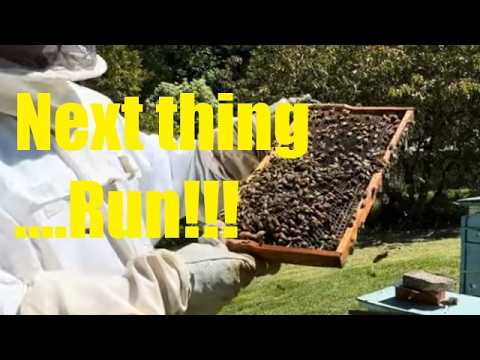
Watch the Real Hive Inspection and Behaviour Change
This inspection shows what happened when a previously strong colony suddenly revealed major warning signs of possible queenlessness and aggressive hive behaviour.
Why This Matters So Much for Beginner Beekeepers
One of the biggest challenges in beekeeping is learning to interpret what the hive is telling you.
Understanding how to make honey actually starts with understanding brood patterns, queen health and colony stability.
Strong hive traffic alone does not always mean the colony is healthy internally.
The brood chamber tells the real story.
Learning to read those signs early becomes one of the most valuable skills a beekeeper develops over time.
Frequently Asked Questions About Queenless Hives
What are the signs of a queenless hive?
Common signs include no eggs, no larvae, missing brood patterns, aggressive behaviour and increased hive instability.
Can a hive look strong and still be queenless?
Yes. Adult worker populations can remain high temporarily even after the queen is lost.
Why do queenless hives become aggressive?
Without stabilising queen pheromones, colony behaviour often becomes more defensive and disorganised.
Can a queenless hive recover on its own?
Sometimes. If suitable young larvae are present, the colony may attempt to raise a replacement queen.
What happens if there are no eggs or larvae left?
Without young brood, the colony cannot raise a replacement queen naturally and intervention may become necessary.
What is the best way to confirm queenlessness?
Introducing a brood frame containing fresh eggs is one of the clearest methods for confirming whether a hive is queenless.
Why is brood so important in a hive?
Brood represents the next generation of worker bees needed to maintain colony population and long term survival.
Final Thoughts
Queenless hives often reveal themselves slowly rather than all at once.
A colony can still appear productive from the outside while the brood cycle has already stopped internally.
Learning to recognise those subtle warning signs early is one of the biggest transitions beginner beekeepers make as they gain experience.
If you are interested in systems, resilience and long term improvement, you may also enjoy my self improvement and leadership podcast, where I explore practical ways to improve consistently over time.
You can also follow more real hive inspections and seasonal changes on my beekeeping YouTube channel.
More hive inspections and beginner beekeeping videos can be found on my channel.


Comments
Post a Comment