How I Prepare My Beehives for Winter (Most Hives Fail Without This) 🐝❄️
How I Prepare My Beehives for Winter (Most Hives Fail Without This)
Winter is where a lot of hives are lost.
Not because something suddenly goes wrong… but because preparation wasn’t done early enough.
This is where small decisions make a big difference.
For me, it comes down to two things.
Food… and temperature.
Watch How I Prepare My Hives for Winter
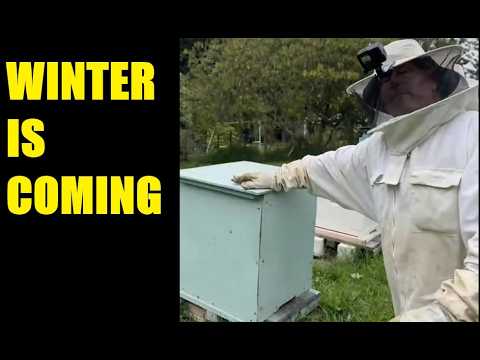
See this video about feeding bees and insulating hives for winter survival
For more content beyond beekeeping:
https://linktr.ee/thelongwayforward
Why Winter Is the Hardest Season
Once temperatures drop, everything changes.
Nectar flow slows or stops completely. Bees rely entirely on what they have already stored.
If reserves are not strong enough, the colony will not make it through to spring.
The Two Things That Matter Most
There are many parts to beekeeping, but winter survival comes down to two fundamentals.
- Enough stored food
- Stable internal temperature
If both are managed properly, the hive has a strong chance of surviving.
Why Feeding Before Winter Helps
Feeding is not about replacing honey.
It is about ensuring the colony has enough energy reserves when natural food sources disappear.
A 2 to 1 sugar syrup mix is used to help bees build and store food quickly.
This gives them a buffer heading into colder months.
How the Feeder System Works
The feeder frame sits inside the hive and holds the syrup.
Bees access the liquid, process it, and store it just like natural nectar.
Small details like adding floating material help prevent bees from drowning while feeding.
Why Insulation Makes a Big Difference
Insulation does not heat the hive.
It helps the bees keep the heat they produce.
This reduces the energy needed to maintain brood temperature and allows more resources to go toward survival.
Building a Simple Insulation System
This setup is practical and effective.
- Plywood outer panels
- Foam insulation inside
- Panels secured around the hive
It is not complicated, but it works.
Why Climate Changes Everything
In cooler areas like the Dandenong Ranges, winter conditions are more demanding.
Temperatures are lower. Seasons are shorter. Bees have less time to build reserves.
This makes preparation even more important.
Some of my other posts you might like
- The origins of beekeeping explained
- What makes beekeeping so appealing to people
- Why the environment and climate matter to me
- Understanding nucleus hives for beginners
- Long Langstroth hive setup and benefits
Lessons From Past Losses
Early on, I lost hives.
Not because of disease or major mistakes, but because they simply did not have enough support heading into winter.
Once feeding and insulation became part of the process, survival rates improved significantly.
Why Timing Is Critical
Preparation needs to happen before winter arrives.
Waiting until conditions are already cold puts the colony under pressure.
Early action allows the hive to stabilise gradually.
Final Winter Checks
Before closing things up, it is important to:
- Confirm feeding is complete
- Ensure insulation is secure
- Check hive access and ventilation
- Make sure everything is stable
Once winter sets in, disruption should be minimal.
What This Preparation Achieves
The goal is simple.
Reduce stress on the colony.
Preserve energy.
Give the bees the best possible chance to reach spring strong and ready to build again.
Final Thoughts
Winter does not need to be a gamble.
With the right preparation, it becomes predictable.
Feed early. Insulate properly. Leave the bees with what they need.
And when spring arrives, you start again with a strong, healthy hive.
If you’re new to beekeeping, winter can feel like the biggest unknown. You hear that hives don’t make it through, but it’s not always clear why. Seeing it broken down like this makes it much easier to understand that most of it comes down to preparation, not luck.
That’s what makes this Blogspot site so helpful for beginners. It focuses on the simple things that actually keep hives alive. Food levels, insulation, and timing. These are the areas that make the biggest difference, and seeing how they’re applied in real conditions helps everything click much faster.
Over time, you start to think ahead instead of reacting late. You realise that what you do before winter matters far more than anything you try to fix during it. Being able to revisit examples like this helps build that mindset so you’re setting your hives up properly from the start.
If you’re just starting out and want to understand how to prepare your hives and time your checks properly, this winter hive inspection guide for beginners is a great place to begin.
If you're interested in improving how you plan ahead and stay consistent over time, you can also check out my leadership and consistency podcast.


Comments
Post a Comment