What Is a Nucleus Hive? Why Nucs Are Best for Beginner Beekeepers
What Is a Nucleus Hive? Why Nucs Are Best for Beginner Beekeepers
One of the best ways to start beekeeping is with a nucleus hive, commonly called a nuc. Instead of beginning with loose bees and an empty hive, a nuc gives you a small but already functioning colony that can continue growing naturally.
For beginner beekeepers, this makes the learning process much easier. You are not trying to build a colony from scratch. You are stepping into a hive system that is already organised, active and working.
If you are starting to learn beekeeping, understanding how a nucleus hive works can help you avoid many of the common beginner frustrations.
A healthy nuc allows you to observe real hive behaviour immediately while giving the colony a much stronger chance of early success.
What Is a Nucleus Hive?
A nucleus hive is a small established bee colony supplied on several frames inside a smaller hive box. It usually contains:
- A laying queen bee
- Worker bees
- Brood in different stages
- Honey and pollen stores
- Drawn comb already in use
Think of it as a miniature working hive. The colony is already functioning as a complete system before you even receive it.

Why Nucs Are Easier for Beginner Beekeepers
Starting with a nuc removes much of the uncertainty that comes with building a colony from loose package bees or swarms.
Because the queen is already accepted and laying successfully, the colony has momentum from the beginning.
That means beginners can immediately start learning:
- How brood patterns look
- How bees organise the hive
- How colonies store pollen and honey
- How worker bees behave during inspections
- How the hive changes through the season
This is one reason many people interested in backyard beekeeping choose nucs as their starting point.
How a Nucleus Hive Grows Into a Full Colony
Once established in suitable conditions, a nuc can expand surprisingly quickly.
As the queen continues laying eggs and the worker population increases, the colony eventually outgrows the nuc box and needs to be transferred into a full hive.
During this growth stage, you may begin noticing:
- More brood developing across additional frames
- Increased bee traffic at the entrance
- Fresh comb building
- More nectar and pollen being stored
- Stronger hive activity overall
Watching this transition happen is one of the most rewarding parts of beginner beekeeping.
What Beginner Beekeepers Should Expect
New beekeepers are often surprised by how quickly hive conditions can change.
A colony that looks small one month may suddenly begin expanding rapidly when forage conditions improve.
This is where understanding how to make honey becomes practical rather than theoretical. Honey production depends heavily on weather, flowering plants, nectar flow and colony strength all working together.
The hive itself becomes a window into the wider environment around it.
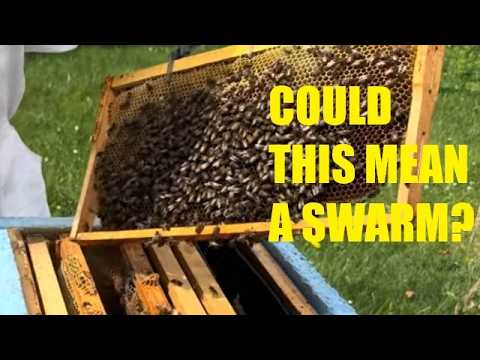
Watch a Growing Nucleus Hive in Real Time
This video shows a real hive inspection and demonstrates what a growing nuc colony looks like as it develops strength and expands over time.
Important Tips for First Time Beekeepers
Start With One Hive
One hive is usually enough while learning. Focus on understanding bee behaviour before expanding.
Inspect Regularly but Calmly
Regular inspections help you understand colony development and spot problems early.
Learn Observation Before Intervention
Good beekeeping often comes from understanding what the hive is showing rather than constantly interfering.
Prepare Equipment Early
Have your full hive setup ready before the colony outgrows the nuc box.
Some of my other posts you might like
- What to do with a queenless beehive
- How to keep your bee smoker lit properly
- Checking a beehive in winter conditions
- How one change improved my hive survival rate
- What happens when wasps take over a hive
What Equipment Do You Need for a Nuc?
Most beginner beekeepers will need:
- A full hive ready for expansion
- Protective beekeeping gear
- A smoker and hive tool
- Additional frames and foundation
- A feeder if nectar conditions are poor
While equipment helps, the real skill develops through observation and experience over time.
Why Nucs Are Such a Good Learning Tool
A nucleus hive gives beginners something incredibly valuable: a working example of a healthy colony.
Instead of trying to imagine how bees should behave, you can observe it directly inside the hive.
That hands on learning process builds confidence far faster than theory alone.
Frequently Asked Questions About Nucleus Hives
What is a nucleus hive?
A nucleus hive, or nuc, is a small established bee colony containing a queen, worker bees, brood and food stores on several frames.
Why are nucs recommended for beginner beekeepers?
Nucs already function as a working colony, making it easier for beginners to learn hive behaviour and colony management.
How long does it take a nuc to become a full hive?
Growth depends on weather, forage and colony strength, but strong nucs can expand quickly during good conditions.
What comes inside a nuc?
Most nucs include a laying queen, brood, worker bees, honey stores and pollen stores on several established frames.
Do nucs make honey straight away?
New nucs focus first on building colony strength, but healthy colonies can begin storing surplus honey as they expand.
How often should beginner beekeepers inspect a nuc?
Many beginners inspect every couple of weeks during active seasons to monitor brood development, food stores and colony growth.
Can a nuc survive winter?
A strong nuc with enough food stores and suitable conditions can survive winter, although smaller colonies may need closer management.
Final Thoughts
Starting with a nucleus hive gives beginner beekeepers a strong and practical introduction to how a real colony functions.
Rather than beginning with uncertainty, you begin with an active hive already working as a system. That makes learning faster, more enjoyable and far less intimidating.
If you are interested in improving how you think about systems, growth, and long term progress, you may also enjoy my self improvement and leadership podcast.
You can also follow real hive inspections and seasonal changes on my beekeeping YouTube channel.
More videos you might like:


Comments
Post a Comment