Why Wasps Attack Weak Beehives and What to Check First
Why Wasps Attack Weak Beehives and What to Check First
Wasps moving in and out of a beehive is never something to ignore.
When wasps are entering freely, ignoring protein bait and going straight for sugar, it usually points to a deeper issue.
The hive may be too weak to defend itself properly.
If you are starting to learn beekeeping, understanding what wasp pressure means can help you spot a struggling colony before it collapses.
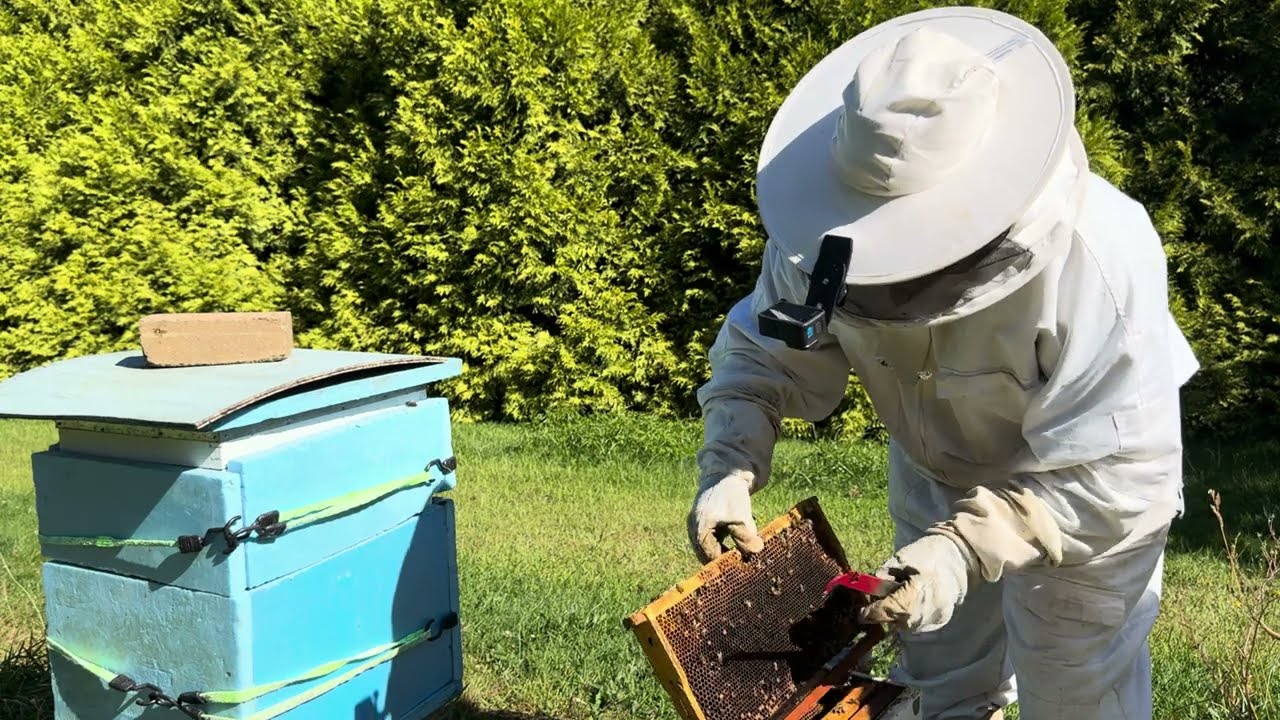
This nuc hive inspection started with one big question: what is really happening inside?
Why Wasps Target Weak Hives
Wasps are opportunistic.
They are not randomly attacking hives. They are looking for easy access to food.
When nectar becomes scarce, wasps often start targeting beehives for sugar and resources.
Weak hives are especially vulnerable because they may not have enough bees to guard the entrance properly.
- Fewer guard bees
- Less defensive strength
- Lower population
- Reduced hive organisation
- Less ability to recover from pressure
Early Signs Something Is Wrong
Before the hive is even opened, the entrance can reveal a lot.
In this case, the warning signs were clear:
- Wasps moving freely in and out
- Bees trying to defend but struggling
- High tension around the entrance
- Predators returning repeatedly
This kind of activity suggests the colony is under pressure and may not be strong enough to hold the entrance properly.
Why Nuc Hives Are More Vulnerable
Nucleus hives are small by design.
They are useful for splits, queen raising and growing new colonies, but they have very little spare strength.
A nuc usually has:
- Fewer bees
- Limited stores
- Less brood coverage
- Smaller defence force
- Less tolerance for mistakes or stress
In backyard beekeeping, small colonies often need closer attention because problems can escalate quickly.
Opening the Hive to Find the Real Cause
Wasp pressure is often a symptom, not the whole problem.
Once the hive is opened, the main questions become:
- Is the hive queen right?
- Are there fresh eggs?
- Is there healthy brood?
- Are the bees organised?
- Is the colony strong enough to recover?
The answers determine whether the hive needs immediate support or whether it is already trying to correct the issue internally.
Why Queen Status Matters
A weak nuc may be struggling because it is queenless, in transition or dealing with poor queen performance.
Important signs to look for include:
- No fresh eggs
- Patchy brood
- Reduced larvae
- Queen cups or queen cells
- Unsettled hive behaviour
Without a strong laying queen, the colony cannot rebuild its population quickly enough to defend itself from wasps.
Why Timing Matters So Much
Wasps do not wait.
Once they identify a weak hive, they often keep returning as long as the reward is there.
The longer the colony remains under pressure, the harder recovery becomes.
That is why early action matters.
A beekeeper may need to reduce the entrance, relocate the hive, add brood, support food stores or give the colony time if it is already requeening.
Watch What I Found Inside This Nuc Hive
This video shows what happened when a nuc hive came under wasp pressure and the inspection revealed signs of a vulnerable colony needing closer attention.
Possible Next Steps for a Hive Under Wasp Pressure
Once the condition of the hive is understood, the next step depends on what the inspection shows.
Options may include:
- Reducing the entrance to improve defence
- Relocating the hive away from wasp pressure
- Adding brood or nurse bees
- Supporting food stores
- Allowing time if queen cells are already developing
The right decision depends on the colony’s strength, queen status and how intense the wasp pressure has become.
What This Situation Really Shows
Wasp attacks are not just a pest issue.
They can be a warning sign that the hive is already vulnerable.
Understanding how to make honey also means understanding colony strength, defence and recovery.
Healthy hives are usually much better at protecting themselves.
Weak hives need careful observation and sometimes quick intervention.
Frequently Asked Questions About Wasps Attacking Beehives
Why do wasps attack weak beehives?
Wasps attack weak hives because they are easier to enter and often have fewer guard bees defending the entrance.
What does it mean if wasps are going inside a hive?
It usually means the colony is struggling to defend itself and may need closer inspection or support.
Are nuc hives more vulnerable to wasps?
Yes. Nuc hives have smaller populations and less defensive strength than full sized colonies.
Can wasp pressure mean a hive is queenless?
It can be a clue, but it does not prove queenlessness. The hive needs to be checked for eggs, brood and queen activity.
How can you help a hive being attacked by wasps?
You may reduce the entrance, relocate the hive, add brood or resources, and reduce external pressure where possible.
Why do wasps ignore protein bait and go for sugar?
Wasps may seek sugar when nectar is scarce or when they have identified a hive as an easy food source.
Can a weak hive recover after wasp attacks?
Sometimes yes, especially if the pressure is reduced early and the colony receives enough support to rebuild.
Final Thoughts
Wasps entering a hive freely should always make you pause.
It often means the colony is not strong enough to defend itself properly.
The key is to look beyond the wasps and work out what is happening inside the hive.
If you’re just starting out and want to build that foundation step by step, this how to start beekeeping for beginners guide is a great place to begin.


Comments
Post a Comment