I Opened My Long Langstroth Hive in Summer… Here’s What the Bees Told Me
What Really Matters During a Summer Hive Inspection
What should you actually be looking for when you open a hive in warm weather?
It is easy to overthink inspections, especially during summer when everything inside the hive is moving quickly. But often, the most important insights come from slowing down and paying attention to the right details.
This inspection walks through a long Langstroth hive step by step, focusing on what really matters at this time of year.
Watch the Full Summer Hive Inspection
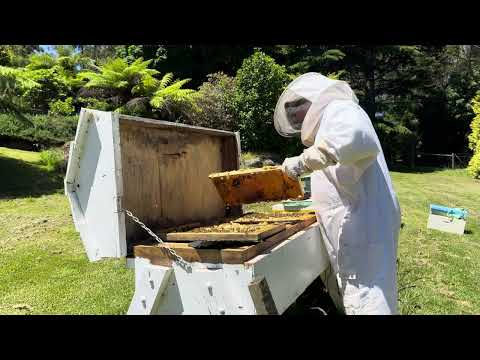
See this video about how to inspect a long Langstroth hive during summer
For more content beyond beekeeping, including leadership and real world thinking:
https://linktr.ee/thelongwayforward
Why Summer Changes How You Inspect a Hive
Warm weather creates momentum inside the hive.
Bees are more active, nectar flow increases, and brood development accelerates.
This means inspections need to be more focused.
You are not looking at everything. You are looking for the signals that matter most.
- Is the colony balanced?
- Is there enough food?
- Is the queen laying well?
- Is the hive under pressure?
Answering those questions gives you everything you need to know.
Reading Food Stores and Consumption
One of the first things to assess is food availability.
During summer, nectar can come in quickly, but it can also be consumed just as fast.
This inspection looks at:
- Nectar levels across frames
- Honey being capped
- Overall distribution of food within the hive
Understanding this balance helps determine whether the hive is thriving or just keeping up.
What Healthy Brood Patterns Look Like
Brood tells the real story of the colony.
In a healthy hive, you will see:
- Consistent laying patterns
- Brood at different stages of development
- Strong coverage across multiple frames
This indicates a productive queen and a stable colony.
It is one of the clearest signs that things are on track.
Why What You Don’t See Matters
Sometimes the most important observation is what is not there.
In this inspection, attention is given to:
- Absence of swarm indicators
- Lack of congestion in key areas
- No signs of stress or imbalance
These are just as important as visible activity.
A hive that is not showing warning signs is often a hive that is managing itself well.
Working a Hive Without Over Inspecting
There is a balance in beekeeping between checking enough and checking too much.
Over inspecting can disrupt the colony, especially during active periods.
This approach focuses on:
- Targeted frame checks
- Clear purpose for each inspection
- Minimising unnecessary disturbance
This keeps the hive calm and allows the bees to continue their work uninterrupted.
Long Langstroth Hives in Warm Conditions
Long Langstroth hives offer a different perspective during inspections.
The horizontal layout allows you to see how the colony spreads and organises itself across the hive.
In warmer weather, this makes it easier to track:
- Brood expansion
- Food storage patterns
- Movement of the colony through the hive
This can provide a clearer overall picture compared to stacked systems.
Knowing When to Leave the Hive Alone
Not every inspection requires action.
Sometimes, the best decision is to step back.
If the hive is balanced, the brood is healthy, and food levels are stable, there may be nothing to change.
This is one of the hardest lessons for new beekeepers.
Doing less can often lead to better outcomes.
What This Inspection Really Shows
This is a calm, steady hive.
It is not under pressure. It is not struggling. It is simply progressing.
It shows how:
- Bees organise themselves naturally
- Colonies maintain balance during active periods
- Observation leads to better decisions than constant intervention
This is what confident beekeeping looks like.
Final Thoughts
Summer inspections are not about doing more.
They are about understanding more.
By focusing on the right signals, you can manage your hive effectively without unnecessary disruption.
For more real world beekeeping insights, follow along here:
https://www.youtube.com/@NotThatBryan
And if you are interested in broader thinking around leadership, consistency, and long term progress:
https://linktr.ee/thelongwayforward
If you’re new to beekeeping, summer inspections can feel like there’s a lot going on all at once. Bees are busy, frames are filling quickly, and it can be hard to know what you should actually be paying attention to. That’s why seeing a calm, focused inspection like this is so useful. It helps you cut through the noise and focus on what really matters.
This Blogspot site is a great resource for beginners because it keeps things practical and easy to follow. Instead of trying to check everything, you start to understand how to look for a few key signals like brood health, food levels, and overall balance in the hive. That shift alone makes inspections feel a lot more manageable.
Over time, you realise that beekeeping is less about doing more and more about understanding what you’re seeing. Being able to revisit posts like this helps reinforce that mindset, so you build confidence without overworking your hives or second guessing every decision.
If you’re just starting out and want a simple way to learn what to look for during inspections, this beginner beekeeping guide to getting started is a great place to begin.


Comments
Post a Comment