Why I Chose a Long Langstroth Hive for Backyard Beekeeping
Why I Chose a Long Langstroth Hive for Backyard Beekeeping
Choosing the right hive is one of the biggest decisions beginner beekeepers make. The hive style you choose affects how you inspect your bees, how physically demanding beekeeping becomes and how easily you can learn colony behaviour over time.
After researching traditional Langstroth hives, Flow Hives and top bar hives, I decided to start with a long Langstroth hive. Looking back, it was one of the best choices I could have made for the way I wanted to learn beekeeping.
If you are starting to learn beekeeping, understanding the differences between hive types can make the early learning process far less overwhelming.
For me, the goal was not just producing honey. I wanted a hive that encouraged observation, reduced heavy lifting and allowed me to understand how colonies behave through changing seasons.
What Is a Long Langstroth Hive?
A long Langstroth hive is a horizontal version of a traditional Langstroth hive. Instead of stacking multiple boxes vertically, all the frames sit side by side inside one long box.
Importantly, it still uses standard Langstroth frames. That means the hive remains compatible with widely available beekeeping equipment while changing the way inspections are carried out.
Rather than lifting heavy supers off the hive, inspections are usually performed frame by frame across the horizontal layout.

Why Long Langstroth Hives Appeal to Beginner Beekeepers
One of the biggest advantages of a long Langstroth hive is simplicity. Everything stays at one level, making inspections easier to manage physically and mentally for many beginners.
This layout allows beekeepers to slow down and focus more closely on:
- Brood patterns
- Honey stores
- Hive temperament
- Queen activity
- Seasonal expansion
- Changes in colony behaviour
For hobby beekeepers, this slower and more observational style can make learning much more enjoyable.
Why I Preferred a Horizontal Hive Layout
Traditional vertical Langstroth hives are widely used and very effective, especially in commercial beekeeping. But lifting heavy honey supers repeatedly was something I wanted to avoid.
A long Langstroth hive removes most of that heavy lifting because the colony expands horizontally instead of vertically.
That creates a different inspection experience:
- Less strain during inspections
- Less disruption to the colony
- More gradual movement through the hive
- Better visibility across the colony structure
In my own experience, inspections often feel calmer and more controlled compared to pulling apart stacked boxes.
How a Long Langstroth Hive Compares to Other Hive Types
Traditional Langstroth Hive
Traditional Langstroth hives are highly efficient and commonly used commercially. However, they involve stacking boxes vertically, which can become physically demanding as honey supers fill.
The long Langstroth keeps the same frame system while simplifying access.
Top Bar Hive
Top bar hives also use a horizontal layout but rely on natural comb rather than standard frames. While this appeals to some beekeepers, natural comb can be more fragile and difficult for beginners to manage consistently.
The long Langstroth combines a horizontal layout with standard framed comb.
Flow Hive
Flow Hives simplify honey extraction and have introduced many people to beekeeping. However, they are more specialised systems and often come at a higher cost.
For me, the priority was learning hive behaviour rather than simplifying honey harvesting.
What I Learned From Using a Long Langstroth Hive
One thing I noticed quickly was how much easier it became to observe subtle hive behaviour.
Because inspections move more gradually through the colony, you naturally spend more time looking closely at:
- Frame development
- Brood consistency
- Pollen storage
- Nectar flow
- Bee movement
- Seasonal expansion patterns
If you enjoy backyard beekeeping, this style of hive encourages a stronger connection to the colony itself rather than simply managing production.
What Are the Downsides of a Long Langstroth Hive?
Like every hive system, long Langstroth hives also have trade offs.
- They require more horizontal space
- Inspections can involve more individual frames
- Commercial scalability is lower
- Transporting them can be less practical
For hobby and educational beekeeping though, many people find the benefits outweigh those limitations.
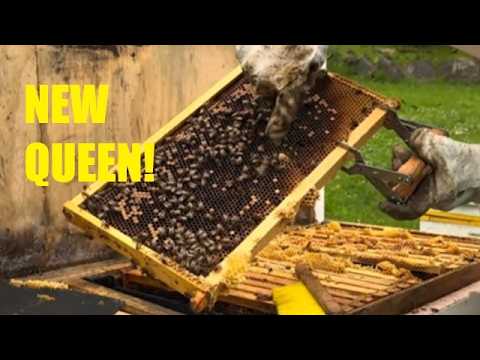
Watch a Real Long Langstroth Hive Inspection
This video shows a real inspection inside my long Langstroth hive and explains why this style of hive has worked so well for my backyard beekeeping setup.
Why Hive Choice Changes the Learning Experience
The hive you choose shapes how you interact with your bees. Some systems prioritise production efficiency, while others encourage slower observation and hands on learning.
When you learn how to make honey, you quickly realise the hive itself is only part of the process. Weather, forage availability, seasonal timing and colony health all work together.
A hive is really a window into a much larger environmental system.
Frequently Asked Questions About Long Langstroth Hives
What is a long Langstroth hive?
A long Langstroth hive is a horizontal beehive that uses standard Langstroth frames arranged side by side instead of stacked vertically.
Are long Langstroth hives good for beginners?
Yes. Many beginners find them easier to inspect because they reduce heavy lifting and allow slower, more observational hive management.
What are the advantages of a long Langstroth hive?
Advantages include reduced lifting, calmer inspections, standard frame compatibility and easier observation of colony behaviour.
Do long Langstroth hives produce less honey?
They can produce less honey than highly optimised commercial setups, but production depends heavily on forage, climate and colony strength.
How is a long Langstroth different from a Flow Hive?
A long Langstroth focuses on horizontal colony management using standard frames, while a Flow Hive focuses on simplified honey extraction.
Why do some beekeepers prefer horizontal hives?
Horizontal hives reduce heavy lifting and often encourage more gradual inspections and closer observation of hive behaviour.
Can you use standard Langstroth frames in a long hive?
Yes. Most long Langstroth hives are designed to use standard Langstroth frames and equipment.
Final Thoughts
Choosing a hive is a personal decision, and every system has strengths and trade offs. For me, the long Langstroth created a much more enjoyable and sustainable way to learn beekeeping.
It allowed me to focus less on lifting boxes and more on understanding the bees themselves.
If you are interested in improving how you think about systems, growth, and long term progress, you may also find value in my self improvement and leadership podcast.
You can also follow real hive inspections and seasonal changes on my beekeeping YouTube channel.
More videos you might like:


Comments
Post a Comment