POV Hive Inspection… Hunting Honey While Saving a Weak Nuc
POV Beehive Inspection – Checking Honey and Supporting a Weak Nuc
What does a real hive inspection actually look like?
Not a polished version. Not a highlight reel.
Just the moment to moment decisions that happen when the hive is open.
This inspection day has a clear purpose.
Check honey stores, assess hive health, and find the right resources to support a struggling nuc.
Watch This POV Hive Inspection
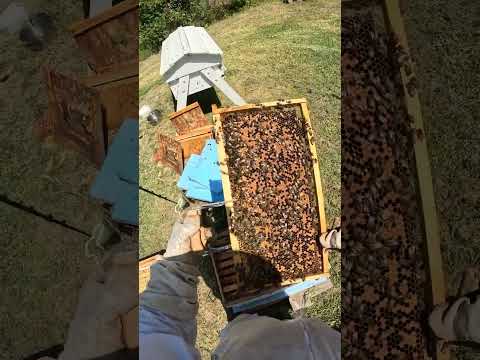
See this video about POV beehive inspections and supporting a weak nucleus hive
For more content beyond beekeeping, including leadership and real world thinking:
https://linktr.ee/thelongwayforward
Why POV Filming Changes Everything
Using a visor mounted camera gives a true beekeeper perspective.
You see exactly what is happening as decisions are made.
This includes:
- Frame selection
- Hive reactions
- Small adjustments during the inspection
It removes the gap between explanation and reality.
What This Inspection Is Trying to Achieve
This is not just a routine check.
There are multiple goals:
- Assess available honey without over harvesting
- Identify any pest pressure or weak points
- Select brood frames to strengthen a nuc hive
- Look for potential queen cells if available
Each hive contributes differently.
Checking Honey Without Taking Too Much
Harvesting is not always the priority.
The focus is on balance.
Strong hives can produce surplus, but removing too much can create problems later.
Understanding what to leave is just as important as what to take.
Finding the Right Frames for a Nuc Hive
Supporting a weak nuc requires specific resources.
The most valuable frames contain:
- Fresh eggs and larvae
- Strong brood coverage
- Nurse bees ready to work
These frames give the nuc a real chance to rebuild.
The Challenge of Finding a Queen Cell
Queen cells are not always available when you want them.
Part of the inspection involves looking for:
- Developing queen cells
- Signs of swarm preparation
- Opportunities to support another hive
Sometimes the hive provides what you need.
Sometimes it does not.
Some of my other posts you might like
- Sea surface temperatures rising and what it means
- Flow hive explained how it works and costs
- Why recycling is not enough and consumption matters
- How much it costs to start beekeeping
- How much honey a beehive can produce
Using Insulation to Support Hive Stability
Simple insulation is used across the hives.
EPS board helps reduce temperature fluctuations.
This supports:
- Brood development
- Colony stability
- Overall hive performance
Small adjustments like this add up over time.
Emergency Feeding and Simple Solutions
Occasionally, small interventions are needed.
A thin feeder mat provides a quick way to add sugar when required.
This is not a long term solution.
It is a short term support tool.
When the Hive Tells You to Slow Down
One of the key lessons in beekeeping is paying attention to resistance.
If something does not fit smoothly, there is usually a reason.
It might be:
- Bee behaviour
- Frame positioning
- Hive condition
These moments are signals to pause and reassess.
What This Inspection Really Shows
This is not just about checking hives.
It is about making decisions in real time.
Balancing multiple priorities:
- Supporting weak colonies
- Maintaining strong ones
- Managing resources carefully
This is where practical experience develops.
Final Thoughts
Every hive inspection is different.
The more you observe, the better your decisions become.
This is what turns routine checks into real understanding.
For more real world beekeeping insights, follow along here:
https://www.youtube.com/@NotThatBryan
And if you are interested in broader thinking around leadership, consistency, and long term progress:
https://linktr.ee/thelongwayforward
If you’re new to beekeeping, this kind of inspection really helps bridge the gap between theory and what actually happens when you open a hive. It’s not always a clear checklist. It’s a series of small decisions happening in real time, based on what you’re seeing in front of you.
That’s what makes this Blogspot site so valuable for beginners. It shows the process as it unfolds, not just the outcome. You get to see how one hive can support another, how resources are chosen, and how priorities shift depending on what each colony needs.
Over time, this is how your confidence grows. You stop trying to do everything perfectly and start focusing on what matters in that moment. Being able to come back and watch inspections like this again helps you understand how to balance multiple hives without overthinking every move.
If you’re just starting out and want to understand how to manage hive inspections and support weaker colonies, this beehive problems beginners need to understand guide is a great place to begin.
If you're interested in building better habits and improving your approach over time, you can also check out my self improvement and leadership podcast.


Comments
Post a Comment