How to Check Queen Cells in a New Nucleus Hive
How to Check Queen Cells in a New Nucleus Hive
Inspecting a newly split nucleus hive can feel intense because the colony is still fragile, unfinished and dependent on one critical outcome.
The bees need to raise a queen successfully.
If they manage that, the hive has a future. If they fail, the colony may slowly weaken unless the beekeeper steps in at the right time.
If you are beginning to learn beekeeping, checking queen cells in a new nuc is one of those moments where patience, gentle handling and careful observation matter more than rushing for answers.
Why This Baby Hive Inspection Matters
When a hive is split, a new colony is created from part of an existing hive.
That new colony may not have a laying queen yet.
Instead, it may need to raise one from suitable eggs or young larvae.
That makes the first inspections after a split especially important because they help confirm whether the nuc is moving in the right direction.
In a small five frame hive, every frame matters.
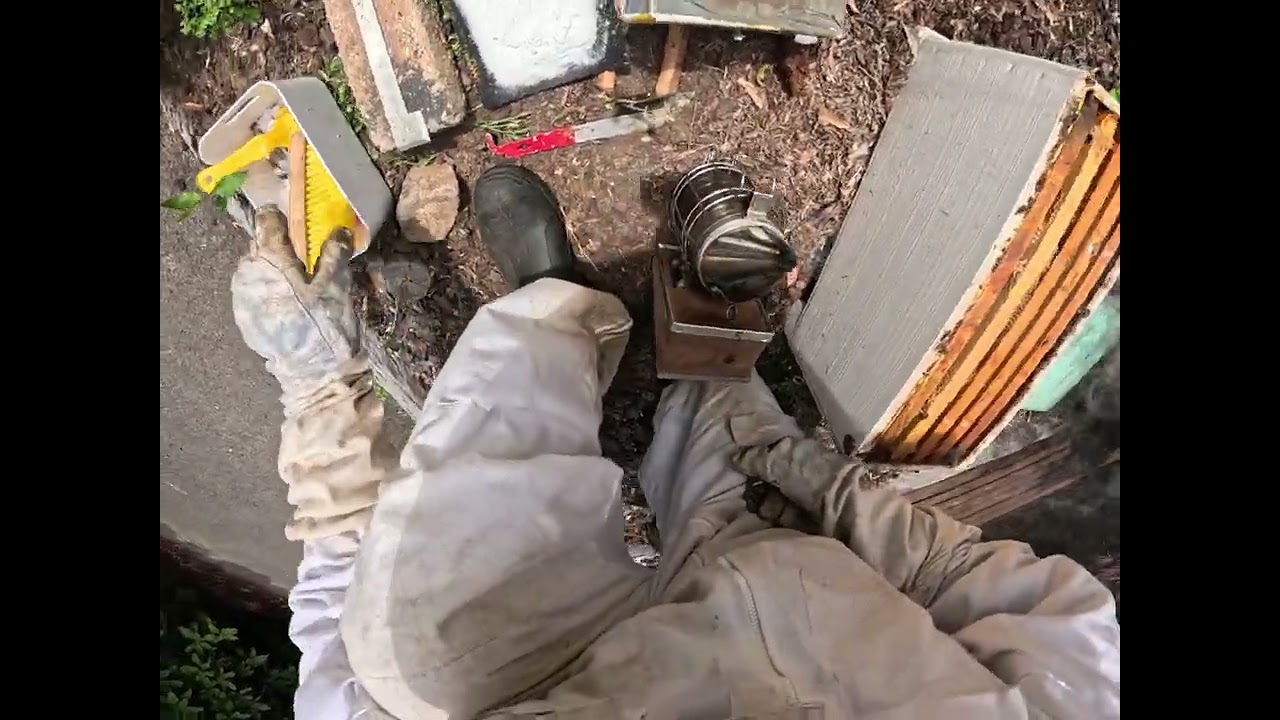
What to Look for in a New Nuc Hive
A new nuc inspection should stay simple and focused.
You are not trying to inspect every tiny detail.
You are looking for the signs that tell you whether the colony is stable and progressing.
- Food stores available
- Nectar or honey coming in
- Signs of brood
- Queen cells present
- Calm or unsettled hive behaviour
Together, these signs help show whether the bees are coping with the split or still under pressure.
Why Queen Cells Can Be Confusing
Queen cells often create uncertainty for beginner beekeepers.
If you see larvae, it may suggest a queen is already present or that brood was transferred during the split.
If you see queen cells, it may suggest the colony is still trying to raise a queen.
Seeing both can feel confusing, but during a transition period it can be completely normal.
The bees may be hedging their bets while they work through the requeening process.
Did I Damage the Queen Cell?
This is one of those moments almost every beekeeper understands.
You move a frame, adjust your grip or shift the comb slightly, then suddenly wonder if you have damaged something important.
In a full strength hive, small mistakes are often easier for the colony to absorb.
In a nuc, the margin for error is much smaller.
A single queen cell can be the difference between the colony recovering and the colony needing intervention.
Some of my other posts you might like
- How I turned a queenless hive into a new colony
- Why your bee smoker keeps going out and how to fix it
- Opening a long Langstroth hive in winter what to expect
- What I changed to help my bees survive winter
- Wasps taking over a nuc and how I handled it
Why Nucleus Hives Are More Vulnerable
Nucleus hives are useful because they allow beekeepers to create smaller, manageable colonies.
But their small size also makes them more vulnerable.
A nuc usually has:
- Fewer bees
- Less entrance defence
- Limited stores
- Less brood backup
- Less tolerance for disruption
This is why careful handling matters so much during early inspections.
Why Slow Handling Matters More Than Speed
Working quickly is not always the same as working well.
With a newly split nuc, slower and calmer movements often protect the colony better.
Gentle handling helps reduce the risk of:
- Damaging queen cells
- Rolling bees
- Over exposing brood
- Creating unnecessary stress
Every frame has value in a small colony, so each movement needs to be deliberate.
Watch This Baby Hive Inspection
This inspection shows the uncertainty of checking a newly split nuc hive, including queen cell development, early brood signs and the nervous moment where one queen cell may have been damaged.
What Happens if the Queen Cells Fail?
If the queen cells fail, the nuc may need support from the beekeeper.
Possible next steps may include:
- Adding a frame with eggs and young larvae
- Reinforcing the colony with extra bees
- Supporting food stores
- Combining the nuc with another hive if needed
The right decision depends on the condition of the colony, the season and what resources are available.
Why Patience Is Often the Best Move
After a split, beekeepers often want answers immediately.
But queen development takes time.
Opening the hive too often can create more disruption than benefit.
Sometimes the best approach is to:
- Confirm queen cells are present
- Make sure stores are adequate
- Minimise disturbance
- Wait for the next inspection window
That waiting period can feel uncomfortable, but it is often exactly what the colony needs.
Why Hive Splits Are Still Worth Doing
Even with the uncertainty, hive splits are one of the most useful tools in beekeeping.
They can help:
- Create new colonies
- Reduce swarm pressure
- Build apiary strength
- Make better use of strong hives
But every split comes with a learning curve.
This is where real experience develops.
Frequently Asked Questions About Nuc Hives and Queen Cells
How do you know if a nuc is raising a queen?
A nuc may be raising a queen if you find queen cells built from young larvae after the split.
What should you check in a new nuc hive?
Check food stores, brood signs, queen cells, bee numbers and overall colony behaviour.
Can damaging one queen cell ruin a nuc?
It depends. If there are other viable queen cells or young brood available, the colony may still recover.
Why are nuc hives more fragile?
Nucs have smaller populations, fewer resources and less margin for error than full sized colonies.
Should you inspect a new split often?
No. New splits need careful monitoring, but too much disturbance can disrupt queen development.
What happens if a nuc fails to raise a queen?
The beekeeper may need to add fresh eggs, introduce a queen, reinforce the colony or combine it with another hive.
Why do bees build queen cells after a split?
If the split is queenless, bees use suitable young larvae to raise a replacement queen.
Final Thoughts
Checking a new nuc hive is one of those moments where beekeeping feels both exciting and uncertain.
You are looking for progress, but you are also trying not to interfere too much with a delicate process.
That balance is where skill develops over time.
Sometimes beekeeping is not about knowing every answer immediately. Sometimes it is about making the best decision you can, then giving the bees time to finish what they started.
If you are new to beekeeping and want to understand how to handle delicate situations like splits and queen cells, this common hive issues beginners run into guide is a great place to begin.
If you're interested in improving how you think through decisions and uncertainty, you can also check out my self improvement and decision making podcast.


Comments
Post a Comment