I Opened My Strongest Hive… What I Found Wasn’t What I Expected 🐝🍯
I Opened My Strongest Hive… What I Found Wasn’t What I Expected
There is something about opening a hive after a stretch of warm weather.
You expect progress. More honey. More activity. Everything moving forward.
This hive had been doing exactly that.
Strong colony. Good conditions. Plenty of reason to expect a straightforward inspection.
But once the frames started coming out, a few details stood out that were worth a closer look.
Watch This Full Hive Inspection
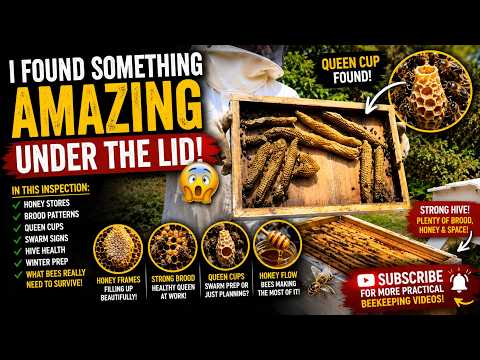
See this video about inspecting a strong hive and checking honey stores
For more content beyond beekeeping:
https://linktr.ee/thelongwayforward
Why Warm Weather Changes Everything
A few warm days can shift a hive quickly.
Nectar flow improves. Foragers increase activity. Honey starts building faster than expected.
This is when inspections become important, not because something is wrong, but because things are moving quickly.
Reading Honey Frames Properly
The first thing to check is honey storage.
Frames are filling. Some are gaining noticeable weight. Others are beginning to cap.
This is a strong sign that conditions have been favourable and the colony is making use of them.
It may not be explosive production, but it is steady and reliable.
How Climate Affects Honey Production
Not all locations produce honey the same way.
In areas with higher rainfall, nectar can be washed from flowers before bees collect it.
This means honey production may be slower or more variable compared to drier regions.
Understanding local conditions helps set realistic expectations for what a strong hive should look like.
Spotting Early Swarm Signals
During the inspection, a small queen cup appears.
This is one of those moments that can be misunderstood.
Queen cups do not always mean a swarm is about to happen.
Sometimes they are simply the hive preparing options.
What matters is context.
Why Context Matters More Than One Sign
This hive still has space.
The brood pattern is strong.
There is no heavy congestion.
That tells a different story than a hive under pressure.
In this case, the queen cup is something to monitor, not react to.
Confirming the Queen Without Seeing Her
One of the most important checks is brood.
Fresh eggs and larvae confirm the queen is present and laying.
This is more reliable than trying to visually locate her during every inspection.
A strong brood pattern means the colony is functioning well.
Why Harvesting Too Early Causes Problems
This is where many beginners go wrong.
Seeing honey build can create the temptation to harvest early.
But removing too much too soon leaves the colony vulnerable later.
Winter survival depends on stored reserves.
Taking less now often leads to stronger hives long term.
The Balance Between Taking and Leaving
Beekeeping is not just about collecting honey.
It is about managing the hive in a way that keeps it healthy across seasons.
Leaving enough stores allows the colony to maintain strength and avoid unnecessary stress.
What This Inspection Really Shows
This hive is doing well.
Honey is building.
The queen is laying.
The colony has space and stability.
The small details simply add context, not concern.
Why Inspections Still Matter in Strong Hives
Even when everything looks good from the outside, inspections confirm what is really happening.
They help you stay ahead of changes rather than reacting too late.
Strong hives still need attention. Just a different kind.
Final Thoughts
This inspection did not reveal a problem.
It revealed progress.
With a few small signals to keep an eye on.
That is often the best outcome in beekeeping.
Not dramatic changes, but steady, healthy movement in the right direction.
And sometimes, that is exactly what you want to see.
If you’re new to beekeeping, this is one of those inspections that helps you understand that even strong hives still need attention. It’s easy to assume everything is fine when a colony looks busy and productive, but it’s the small details that really tell the story.
That’s what makes this Blogspot site so helpful for beginners. It shows you how to look beyond surface level activity and understand what steady progress actually looks like inside the hive. Things like honey build up, brood patterns, and small signals like queen cups start to make more sense when you see them in context.
Over time, this is how you build confidence without rushing decisions. You learn that not every sign requires action, sometimes it just needs monitoring. Being able to revisit inspections like this helps you develop that judgement so you’re not reacting too quickly or missing something important.
If you’re just starting out and want to understand how to read a healthy hive and avoid common beginner mistakes, this common beekeeping mistakes and how to avoid them guide is a great place to begin.
If you're interested in building better long term habits and staying consistent, you can also check out my self improvement and consistency podcast.


Comments
Post a Comment