How to Tell When a Beehive Needs Feeding Support
How to Tell When a Beehive Needs Feeding Support
Not every struggling hive looks dramatic.
Some colonies do not collapse suddenly. They simply fall behind.
They survive winter, remain active and continue functioning, but compared to stronger hives nearby, something feels off.
If you are starting to learn beekeeping, recognising these quieter warning signs is an important skill to develop.
This long Langstroth hive inspection became a reminder that surviving and thriving are not the same thing.
The Difference Between a Hive Surviving and Thriving
Coming out of winter is where hive differences become very obvious.
Some colonies rapidly expand:
- Building brood quickly
- Storing nectar heavily
- Producing strong honey frames
- Increasing population fast
Other hives simply maintain themselves.
This hive was active, but it was not progressing with the same strength or momentum as the others nearby.
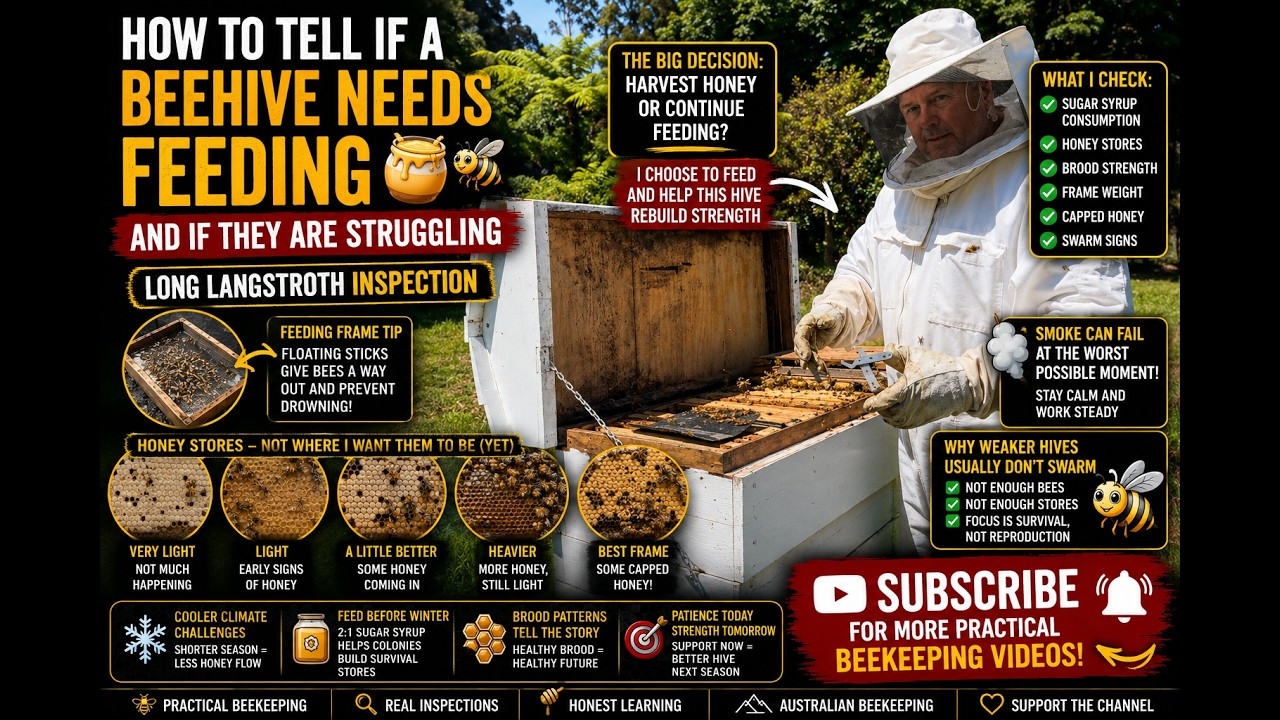
Checking the Feeding Frame First
One of the first things checked during the inspection was the feeder.
Whether syrup has been consumed tells you a lot about the colony.
If feed disappears quickly, it often suggests the hive still needs support.
If feed remains untouched, the hive may already have enough incoming nectar or may not be strong enough to utilise it properly.
In this case, feeding consumption helped confirm the colony was still relying on assistance rather than building naturally.
Reading Honey Stores Properly
Honey production is one of the easiest ways to compare colony strength.
Strong hives usually show:
- Heavy frames
- Rapid nectar storage
- Capped honey cells
- Fast comb filling
This hive had some stored honey, but not enough to suggest strong momentum.
The difference between “some progress” and “healthy growth” matters a lot in backyard beekeeping.
Why Frame Weight Tells You So Much
Experienced beekeepers often notice problems before they fully see them.
Frame weight becomes one of those subtle indicators.
Light frames, partially filled comb and slow build up often point toward the same conclusion:
The colony is not developing as strongly as it should.
Sometimes you can feel the difference before you fully recognise it visually.
Why Brood Still Matters Most
Even in a weaker hive, brood remains one of the most important indicators of future potential.
Healthy brood suggests:
- The queen is still active
- The colony is attempting to grow
- Recovery is still possible
Patchy brood or disappearing brood would indicate a much more serious issue.
In this hive, the brood pattern still showed enough promise to justify continued support.
Why Feeding Became the Right Decision
At a certain point, hive management changes focus.
The goal is no longer maximising honey production.
The focus becomes stabilising the colony.
Feeding support can:
- Reduce stress on the hive
- Support brood development
- Provide accessible energy
- Help maintain growth during weak flow periods
Not every hive needs feeding, but slower colonies sometimes benefit greatly from temporary support.
A Simple Feeding Tip That Saves Bees
One small but important detail during feeding is preventing drowning.
Bees can easily fall into syrup feeders if there is nothing to grip onto.
Adding:
- Small sticks
- Floating branches
- Rough surfaces
gives bees a way to climb out safely.
It is a very simple adjustment that can prevent unnecessary losses.
Why This Hive Is Not a Swarm Risk
Swarming usually comes from strength and congestion.
This hive showed neither.
It was:
- Not overcrowded
- Not heavily backfilling brood space
- Not building explosive population growth
- Not showing strong swarm pressure
That makes the current priority very clear.
Build colony strength first.
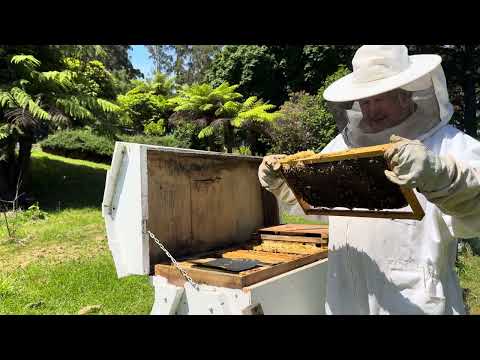
Watch This Long Langstroth Hive Check
This video shows a slower long Langstroth hive inspection, checking brood, feeding support and honey stores to decide whether the colony needed help.
The Reality of Beekeeping
Not every colony becomes a heavy honey producer every season.
Some hives need:
- Extra time
- Additional feeding
- Better seasonal conditions
- Reduced competition
- More gradual development
That does not mean they are failures.
Sometimes a slower hive this year becomes a very strong colony the following season.
Understanding how to make honey also means understanding when a hive needs support instead of pressure.
Why Supporting a Weak Hive Still Matters
Helping a slower colony is not wasted effort.
It is long term investment.
A hive that receives the right support during a difficult period can eventually become:
- More stable
- Better populated
- More productive
- More resilient
But only if it gets through the weaker stage successfully.
Frequently Asked Questions About Weak Beehives and Feeding
How do you know if a hive needs feeding?
A hive may need feeding if honey stores are low, frames feel light or the colony is building very slowly compared to stronger hives nearby.
Why do some hives grow slower than others?
Differences in queen quality, population size, food availability and seasonal timing can all affect hive growth rates.
Should every hive produce lots of honey?
No. Some hives focus more on survival and rebuilding, especially after winter or difficult conditions.
Why is brood important in a weak hive?
Healthy brood shows that the queen is active and the colony still has potential to recover and grow.
Can bees drown in syrup feeders?
Yes. Adding floating material like sticks or branches helps bees climb out safely and reduces drowning risk.
Is a slow hive always failing?
No. Some hives simply develop more slowly and may still become strong colonies with time and support.
Why is this hive not likely to swarm?
The colony is not overcrowded or building rapid population pressure, which are common triggers for swarming behaviour.
Final Thoughts
This inspection was a reminder that not every struggling hive looks dramatic.
Sometimes a colony simply falls behind quietly.
Recognising that early gives you the opportunity to support the hive before the situation becomes much more serious.
If you’re just starting out and want to understand how to spot and handle issues early, this common beehive problems guide is a great place to begin.
If you're interested in broader thinking beyond beekeeping, you can also check out my leadership and self improvement podcast.


Comments
Post a Comment