How to Insulate a Nucleus Hive During Cold Nights
How to Insulate a Nucleus Hive During Cold Nights
Cold nights can put real pressure on a small nucleus hive.
A strong colony may have enough bees to hold temperature and protect brood through a cold snap, but a baby hive has much less margin for error.
If you are beginning to learn beekeeping, understanding when a small hive needs extra support can make a huge difference to colony survival.
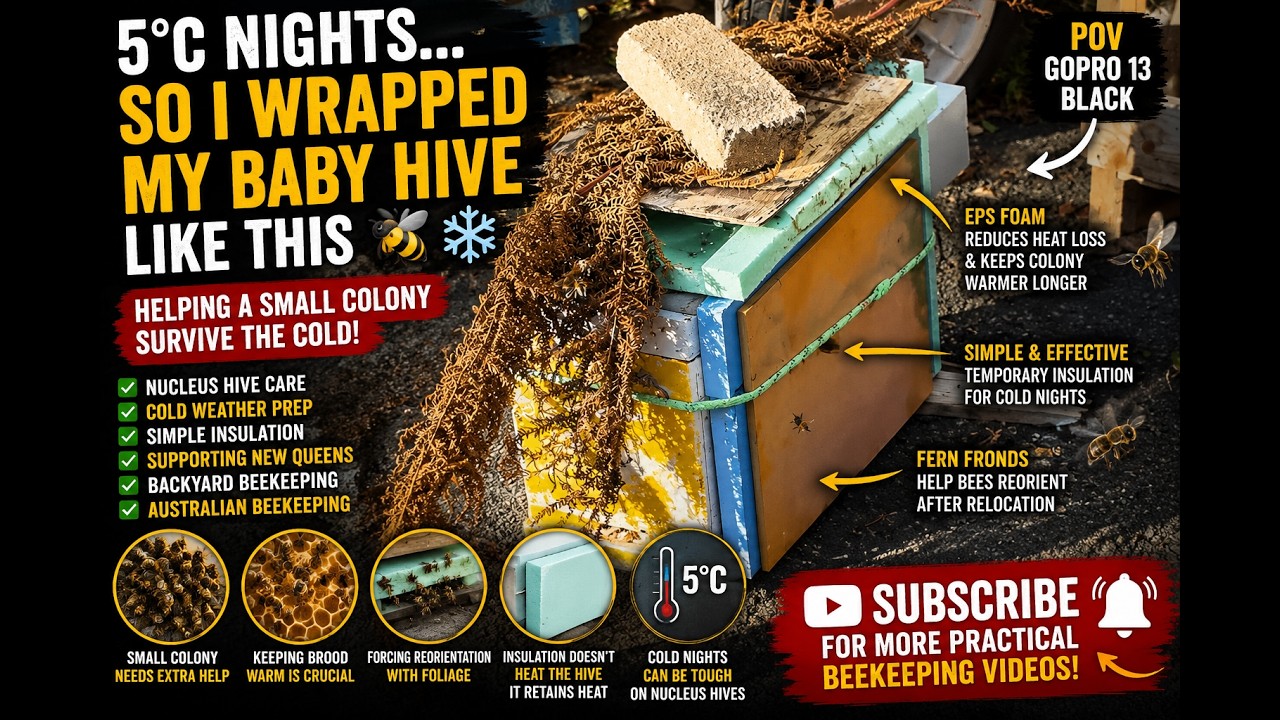
This nuc had already been through relocation, wasp pressure and rebuilding stress. When overnight temperatures dropped to around 5°C, a simple insulation setup gave the bees a better chance to hold warmth and keep developing.
Why Baby Hives Struggle in Cold Weather
A nucleus hive has fewer bees than a full sized colony.
That means it has:
- Less heat production
- Lower food reserves
- Reduced brood coverage
- Less ability to recover from stress
When temperatures drop suddenly, a small hive may need to use far more energy simply maintaining brood warmth.
What Cold Nights Can Do to a Nuc Hive
Cold does not only slow a hive down.
It can affect development inside the colony.
Brood needs stable warmth to grow properly, and young colonies often struggle to maintain that temperature when bee numbers are low.
For a hive that may be raising a new queen, stability becomes even more important because disruption during this stage can affect the whole recovery process.
Why Insulation Helps Without Heating the Hive
Insulation does not create heat by itself.
Instead, it helps the colony hold onto the warmth the bees are already producing.
That can reduce:
- Heat loss overnight
- Energy spent maintaining brood temperature
- Stress on nurse bees
- Temperature swings inside the hive
In cold climate backyard beekeeping, this kind of simple support can be especially useful for small or recovering colonies.
A Simple Temporary Insulation Setup
This setup does not require a complicated build or permanent modification.
The approach is simple:
- EPS foam sheets along the sides and back
- Extra coverage over the top
- A strap to hold everything securely in place
The goal is to reduce heat loss during the coldest part of the night while still allowing the colony to function normally.
Some of my other posts you might like
- What happens if you mow near an active hive
- Wasps attacking hives and unexpected outcomes
- Combining hives to save a weak colony
- Bee stings what to expect and how to react
- Aggressive hive behaviour and how to handle it
Why Temporary Solutions Often Work Best
Not every hive needs permanent insulation.
Sometimes a short term adjustment is enough to help a colony through a vulnerable phase.
This hive was not ready for major disruption.
It simply needed extra protection while it stabilised.
That is often how good hive management works. Small adjustments made at the right time can have a large impact.
Why Reorientation Still Matters After Moving a Hive
This nuc had recently been relocated, which means the bees also needed to learn their new position.
Adding branches or foliage near the entrance can encourage bees to slow down and reorient properly.
This helps reduce the chance of foragers returning to the old location.
Reorientation behaviour is especially important for small hives because every bee matters during recovery.
Why This Was Not the Time to Open the Hive
At this stage, opening the hive could have done more harm than good.
The goal was not inspection.
The goal was protection.
A weak or recovering nuc needs time to settle, stabilise temperature and continue internal development without unnecessary disturbance.
Sometimes good beekeeping means knowing when not to interfere.
Watch How I Protected This Baby Hive
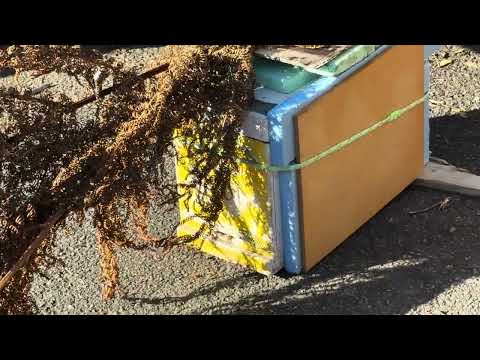
This video shows a simple temporary insulation setup used to help protect a small nuc hive during a run of cold 5°C nights.
What Happens Next?
The next milestone is checking whether the colony has stabilised and whether queen development has continued successfully.
For now, the most important priorities are:
- Protecting brood temperature
- Reducing stress
- Supporting colony recovery
- Avoiding unnecessary disturbance
If the hive can hold through the cold nights, it has a better chance of rebuilding into a stronger colony.
Frequently Asked Questions About Insulating Nuc Hives
Should you insulate a nucleus hive in cold weather?
Insulation can help small nuc hives during cold weather by reducing heat loss and helping bees maintain brood temperature.
Does insulation heat the hive?
No. Insulation does not create heat. It helps the hive retain the warmth produced by the bees.
Why are nuc hives vulnerable to cold nights?
Nuc hives have smaller populations, fewer stores and less ability to stabilise internal temperatures than full sized colonies.
What can you use to insulate a nuc hive?
Simple EPS foam sheets can be placed around the sides, back and top, then held securely with a strap.
Should you open a weak nuc during cold weather?
It is usually better to avoid unnecessary inspections during cold weather because opening the hive can chill brood and increase stress.
Why add branches near a moved hive?
Branches or foliage near the entrance encourage bees to reorient and learn the hive’s new location after a move.
Can cold weather affect queen development?
Cold stress can make it harder for a small colony to maintain stable conditions during queen development and brood care.
Final Thoughts
Protecting a small nuc hive through cold nights does not always require a major intervention.
Sometimes it is as simple as foam sheets, a strap and the decision not to disturb the colony while it stabilises.
Small actions at the right time can give a fragile hive a much better chance of recovery.
If you’re just starting out and want to understand how to handle situations like cold weather, relocation or weaker colonies, this common problems in beehives and how to handle them guide is a great place to begin.
If you're interested in improving your thinking and decision making beyond beekeeping, you can also check out my self improvement and mindset podcast.


Comments
Post a Comment