Are Small Wind Turbines Worth It? Renewable Energy for Homes and Rural Properties
Are Small Wind Turbines Worth It? Renewable Energy for Homes and Rural Properties
Small wind turbines are becoming an increasingly popular option for people looking to reduce reliance on grid electricity and improve long term energy resilience. Whether installed on rural properties, off grid homes or environmentally focused lifestyle blocks, these systems allow households to generate electricity directly from the wind.
Unlike massive commercial wind farms, small scale wind systems are designed for individual use. When paired with solar panels and battery storage, they can help create a far more stable and self sufficient energy setup.
For people interested in sustainability, food production or even learn beekeeping, renewable energy often becomes part of a broader shift toward resilience and environmental awareness.
This is especially true in rural Australia, where weather conditions, outages and rising energy prices can make self generated electricity increasingly attractive.
How Small Wind Turbines Work
Small wind turbines convert wind energy into electricity through spinning blades connected to a generator. As wind moves across the blades, the turbine creates usable electrical power that can either:
- Power appliances directly
- Charge battery systems
- Support off grid setups
- Reduce grid electricity usage
Many small systems are designed to work alongside solar panels, creating a hybrid renewable energy setup.
This combination works well because solar and wind often complement each other. Solar produces most energy during sunny daytime hours, while wind can continue generating electricity overnight or during storm systems.

What Are the Benefits of Small Wind Turbines?
Generate Electricity On Site
One of the biggest advantages of small wind systems is energy independence. Producing electricity directly where it is used reduces reliance on external infrastructure and rising energy costs.
Supports Off Grid and Rural Living
For remote homes, farms and elevated rural properties, generating power locally can be far more practical than relying entirely on the grid.
Pairs Well With Solar Systems
Wind and solar systems often balance each other naturally, creating more consistent renewable energy production across changing weather conditions.
Reduces Long Term Running Costs
Once installed, small wind systems have relatively low operating costs because they rely on a free natural resource.
Improves Energy Resilience
When combined with battery storage, wind systems can help maintain critical systems during outages or severe weather.
What Are the Limitations of Small Wind Systems?
Small wind turbines also come with important limitations that many people overlook.
Wind Consistency Matters
A turbine only performs well if the property receives reliable airflow. Turbulence from buildings or trees can reduce efficiency significantly.
Upfront Costs Can Be High
Installation costs for towers, turbines, inverters and batteries can become substantial depending on the system size.
Planning Restrictions May Apply
Local council regulations can affect tower height, placement and noise requirements.
Maintenance Is Still Required
While maintenance is usually manageable, turbines operating in harsh weather conditions need regular inspections and occasional servicing.
Why Wind and Sustainability Often Go Together
People who become interested in renewable energy often begin looking more broadly at sustainability and resilience.
That can include:
- Growing food
- Rainwater collection
- Reducing consumption
- Supporting pollinators
- Producing local resources
- Improving environmental awareness
This is one reason renewable energy and backyard beekeeping often overlap in lifestyle focused communities.
Both encourage a closer understanding of how environmental systems work together.
How Renewable Energy Relates to Beekeeping
Healthy ecosystems support both renewable energy and healthy pollinator populations.
When you begin understanding how to make honey, you quickly realise bees depend heavily on stable environmental conditions, flowering plants and seasonal patterns.
Renewable energy is not directly about bees, but both are part of the same broader conversation around sustainability, resilience and reducing environmental pressure over time.
Watch Real World Sustainability and Beekeeping in Action
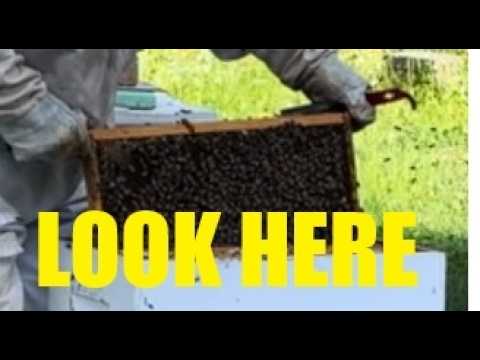
This video explores practical sustainability thinking, environmental awareness and real world beekeeping observations from a working backyard hive setup.
Are Small Wind Turbines Worth It in Australia?
Australia has excellent wind resources in many regions, especially:
- Coastal areas
- Elevated rural properties
- Open farmland
- Southern states including Victoria and Tasmania
For the right property, small wind systems can significantly improve energy resilience when designed correctly.
However, site assessment is critical. A poor location can dramatically reduce turbine performance.
Who Should Consider Small Wind Systems?
Small scale wind may suit:
- Off grid homeowners
- Rural property owners
- Sustainability focused households
- Remote farms
- Hybrid solar and battery systems
- People seeking greater energy independence
For suburban homes with inconsistent wind conditions though, solar often remains the simpler and more cost effective option.
Frequently Asked Questions About Small Wind Turbines
How do small wind turbines generate electricity?
Wind turbines use spinning blades connected to a generator to convert wind energy into usable electrical power.
Are small wind turbines worth it?
They can be worthwhile in locations with strong and consistent wind, especially for rural or off grid properties.
Do small wind turbines work with solar panels?
Yes. Wind and solar systems often complement each other well because they generate electricity under different weather conditions.
Can wind turbines power an entire house?
Depending on system size, wind conditions and battery storage, some systems can supply most or all household electricity needs.
Do small wind turbines require maintenance?
Yes. Regular inspections and occasional servicing help maintain safety and long term performance.
Are wind turbines noisy?
Modern small turbines are generally quieter than older designs, although placement still matters for noise management.
Where do small wind turbines work best?
They perform best in open areas with reliable wind and minimal turbulence from trees or nearby buildings.
Final Thoughts
Small scale wind turbines are not the perfect solution for every property, but in the right conditions they can become an important part of a resilient renewable energy system.
The biggest lesson is that sustainability rarely depends on one single technology. It comes from understanding how multiple systems work together over time.
If you are interested in growth, resilience and practical long term thinking, you may also enjoy my leadership and motivation podcast.
You can also explore real world environmental observations and hive inspections on my beekeeping YouTube channel.
More videos you might like:


Comments
Post a Comment