Wasps Took Over This Hive… But What I Found Inside Was Worse 😬🐝
Wasps Took Over This Hive… But What I Found Inside Was Worse
Sometimes you know something is wrong before you even open the hive.
This was one of those moments.
Wasps moving in and out like they owned the place. No hesitation. No resistance.
That’s never a good sign.
Watch This Nuc Hive Inspection
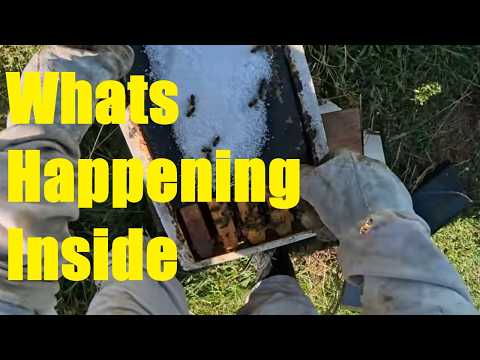
See this video about wasp pressure on a weak nuc hive and what to look for inside
For more content beyond beekeeping:
https://linktr.ee/thelongwayforward
Why Wasps Are a Red Flag
Wasps don’t waste energy on strong hives.
They look for weakness.
Once they find it, they keep coming back.
This hive had clearly been targeted.
What You Can Tell From the Entrance
At first glance, the hive looks active.
Bees are moving. Wasps are moving.
But activity does not always mean strength.
It can mean pressure.
The Big Question Before Opening
There are a few possibilities.
- The hive has lost its queen
- The colony is too small to defend itself
- Brood development has stalled
All of these lead to the same outcome.
Vulnerability.
What Happens When the Lid Comes Off
This is where the real story begins.
I’m checking for brood first.
Looking for eggs, larvae, and signs of a functioning queen.
Then I’m reading behaviour.
How the bees react tells you just as much as what you see on the frames.
Signs of an Unstable Hive
There are still bees defending.
But it feels inconsistent.
Not the organised defence of a strong colony.
More like holding on.
Why Small Nuc Hives Struggle
Nucleus hives are vulnerable by design.
Fewer bees means:
- Less defence at the entrance
- Less ability to repel predators
- Less margin for error
Once pressure starts, it builds quickly.
Why Wasps Target Sugar
In this case, the wasps are not interested in protein bait.
They are chasing sugar.
That usually means exposed or accessible food sources inside the hive.
Another sign the colony is struggling to defend itself.
Reading the Hive Beyond the Frames
The sound matters.
The tone of the hive changes under stress.
Higher pitch. More frantic movement.
This is where POV footage really helps.
You hear what the bees are telling you.
What This Means for the Colony
This hive is not stable.
It may recover.
But it needs help.
And it needs it quickly.
Possible Next Steps
There are a few options.
- Relocate the hive away from pressure
- Reinforce with brood and nurse bees
- Support feeding if stores are low
The right move depends on timing and condition.
Why Timing Matters
Wasps don’t stop.
They exploit weakness until the hive collapses.
Acting early can be the difference between saving the colony and losing it.
Final Thoughts
This is one of the harder parts of beekeeping.
Not every hive is strong.
Not every situation is clear.
Sometimes you’re making decisions with limited information.
But seeing the problem clearly is always the first step.
And this hive is definitely telling a story.
If you’re new to beekeeping, this is one of those situations that can be confronting the first time you see it. Activity at the entrance might look busy, but once you understand what you’re looking at, you realise it’s not strength, it’s pressure. Knowing the difference is a big step forward.
That’s what makes this Blogspot site so useful for beginners. It shows what warning signs actually look like in real conditions, not just in theory. You start to understand how things like wasp pressure, hive strength, and behaviour all connect, and why acting early matters.
Over time, you learn that problems rarely appear out of nowhere. There are always signals leading up to it. Being able to revisit inspections like this helps you recognise those signs sooner, so you can step in before things reach this point.
If you’re just starting out and want to understand how to spot issues early and respond during inspections, this beehive inspection guide for spotting problems is a great place to begin.
If you're interested in improving how you handle difficult situations and make clearer decisions, you can also check out my leadership and decision making podcast.


Comments
Post a Comment