Why You Should Never Judge a Beehive From the Outside
Why You Should Never Judge a Beehive From the Outside
One of the easiest traps in beekeeping is assuming you understand a hive before opening it.
From the outside, colonies can appear:
- Busy
- Quiet
- Average
- Weak
- Strong
But entrance activity only tells part of the story.
The real condition of a colony is hidden inside the brood box, honey stores and frame organisation.
If you are beginning to learn beekeeping, understanding this early can completely change how you approach inspections.
What looks ordinary from the outside can sometimes be progressing far better than expected internally.
Why Hive Entrance Activity Can Be Misleading
Many beginners naturally focus on the hive entrance because it is the most visible part of the colony.
You might see:
- Bees flying actively
- Pollen coming in
- Guard bees at the entrance
- Heavy traffic patterns
Or the opposite:
- Quiet entrances
- Reduced activity
- Less visible movement
But none of these signs alone provide the full picture.
A colony that looks average externally may actually contain:
- Strong brood development
- Growing nectar reserves
- Healthy honey storage
- Balanced population growth
That is exactly what happened during this inspection.

What Changed Inside the Hive in Just One Week
Compared to the previous inspection, the colony had made noticeable progress surprisingly quickly.
Inside the hive there was:
- Increased nectar storage
- More honey development
- Improved overall balance
- Steady colony progression
This is one of the most rewarding parts of beekeeping.
Progress can feel slow for weeks, then suddenly conditions align and the colony responds rapidly.
Environmental conditions influence this heavily:
- Weather stability
- Flowering availability
- Nectar flow
- Colony strength
Even medium strength hives can build momentum quickly when conditions improve.
Why Steady Growth Often Matters More Than Explosive Growth
There is often a strong focus online around:
- Massive honey harvests
- Explosive hive expansion
- Huge populations
But steady and balanced growth is often healthier long term.
During this inspection, the hive showed:
- Stable brood development
- Gradual nectar increase
- No major congestion
- No obvious stress indicators
That kind of controlled progress often creates more sustainable colony development over the season.
Not every hive needs dramatic expansion to be performing well.
Why Regular Hive Inspections Matter
This inspection reinforced one of the most important principles in backyard beekeeping.
You cannot reliably manage a hive without understanding what is happening internally.
Regular inspections help reveal:
- Brood patterns
- Food reserves
- Nectar flow progression
- Space pressure
- Early swarm indicators
Without inspections, significant changes can happen very quickly during spring and summer.
The hive may appear stable externally while important internal conditions are shifting rapidly.
Learning to Read the Frames Properly
Over time, inspections become less about searching randomly and more about interpreting patterns.
Different sections of the hive communicate different information:
- Brood frames reveal colony health
- Nectar frames show forage conditions
- Pollen stores indicate resource availability
- Bee behaviour reflects overall balance
This is where real confidence begins developing.
Not through guessing.
Through repeated observation and understanding what each frame is telling you.
Why Space Management Still Matters
As honey stores and nectar reserves increase, available hive space becomes increasingly important.
If colonies begin feeling crowded:
- Swarm pressure may increase
- Brood space may reduce
- Hive organisation can become stressed
Good space management helps colonies:
- Continue expanding naturally
- Store incoming nectar efficiently
- Maintain brood development
- Reduce congestion pressure
Small management decisions made early often prevent larger problems later in the season.
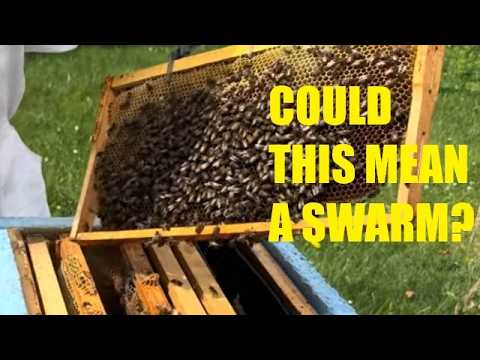
Watch the Full Hive Inspection and Honey Build
This inspection shows how a hive that appeared fairly average externally had actually made significant internal progress in nectar storage and colony development over a short period of time.
Why Patience Matters in Beekeeping
One of the hardest lessons for beginner beekeepers is understanding that colonies do not always progress at the same speed.
Some hives explode forward quickly.
Others build gradually and consistently.
Understanding how to make honey really means understanding:
- Season timing
- Environmental conditions
- Hive balance
- Long term colony development
Steady improvement often becomes far more valuable than dramatic short term gains.
Frequently Asked Questions About Hive Inspections
Can you judge a hive by entrance activity alone?
No. Entrance activity only shows part of the colony’s condition. Internal inspections reveal brood health, nectar stores and overall hive balance.
Why do hive inspections matter?
Inspections help identify brood patterns, honey stores, swarm pressure and colony health before problems develop further.
How quickly can a hive change?
During spring and summer, colonies can change dramatically within a single week depending on weather, nectar flow and population growth.
What does a healthy brood pattern look like?
Healthy brood patterns usually appear dense, organised and consistent across the brood frames.
Why is steady hive growth important?
Steady balanced growth often creates healthier long term colony development and reduces stress inside the hive.
How do you know if a hive needs more space?
Increasing nectar storage, brood congestion and limited open comb space can indicate the hive requires expansion.
Why do beginner beekeepers misread hives?
Many beginners focus heavily on visible entrance activity without yet understanding how much information is hidden deeper inside the hive.
Final Thoughts
This inspection was a perfect reminder that hives often tell very different stories internally compared to what we assume externally.
Steady progress, balanced development and improving nectar storage are all signs of a healthy colony even when growth appears modest from the outside.
Learning to read those signs properly is one of the biggest transitions beginner beekeepers make as they gain experience over time.
If you are interested in systems, resilience and long term improvement, you may also enjoy my self improvement and leadership podcast, where I explore practical ways to improve consistently over time.
You can also follow more real hive inspections and seasonal changes on my beekeeping YouTube channel.
More hive inspections and beginner beekeeping videos can be found on my channel.


Comments
Post a Comment