Why Australia Is Experiencing More Extreme Rainfall and Flooding Events
Why Australia Is Experiencing More Extreme Rainfall and Flooding Events
Across Australia, heavy rainfall and flooding events are becoming harder to ignore. Intense downpours, flash flooding and prolonged storm systems are affecting cities, rural communities and natural ecosystems with increasing frequency.
While weather has always varied, many scientists now point to warmer ocean temperatures and increased atmospheric moisture as major drivers behind these more extreme rainfall events.
For people who spend time outdoors, whether through gardening, farming or trying to learn beekeeping, the changes are becoming increasingly visible.
Flowering cycles shift. Storm systems intensify. Seasons feel less predictable. And ecosystems begin responding to those pressures in real time.
How Warmer Oceans Increase Rainfall
The ocean acts as a massive heat and moisture reservoir for the atmosphere.
As sea surface temperatures rise:
- Evaporation increases
- More water vapour enters the atmosphere
- Storm systems gain additional energy
- Rainfall intensity can increase dramatically
Warm air also holds more moisture than cooler air.
That means when storm systems finally release rainfall, they can produce extremely heavy downpours over very short periods of time.

What Is a Rain Bomb?
The term rain bomb is commonly used to describe extremely intense rainfall concentrated into a short timeframe.
These events can:
- Overwhelm drainage systems
- Create flash flooding
- Damage roads and infrastructure
- Trigger landslides and erosion
- Disrupt entire communities
In many Australian cities, rainfall that once fell gradually over several days is now sometimes arriving in just a few hours.
That rapid concentration of rainfall dramatically increases flood risk.
Why Australia Is Vulnerable to Extreme Weather
Australia already experiences highly variable climate conditions.
The country regularly deals with:
- Heatwaves
- Droughts
- Tropical systems
- Severe thunderstorms
- Flooding rains
When warmer ocean temperatures add extra energy and moisture into the atmosphere, those existing extremes can become even more severe.
This is especially important along the east coast where ocean conditions heavily influence weather systems.

How Heat Intensifies the Cycle
Heat does not simply make weather hotter. It also changes how moisture behaves in the atmosphere.
Warmer air:
- Holds more water vapour
- Increases evaporation rates
- Feeds stronger storm development
- Creates more unstable atmospheric conditions
This creates a reinforcing cycle:
- Heat increases evaporation
- More moisture enters the atmosphere
- Storm systems intensify
- Heavy rainfall events become more extreme
The result is greater variability between dry periods, heatwaves and intense flooding events.
Why Extreme Weather Matters for Ecosystems
Changing weather patterns affect far more than roads and infrastructure.
Extreme rainfall and heat can influence:
- Flowering cycles
- Soil stability
- Food production
- Pollinator activity
- Forest health
- River systems
For people involved in backyard beekeeping, these environmental changes can become highly visible inside the hive.
Heavy rain may stop bees from foraging. Extreme heat can reduce nectar flow. Rapid environmental shifts can place colonies under additional stress.
Healthy hives depend heavily on stable and predictable seasonal conditions.
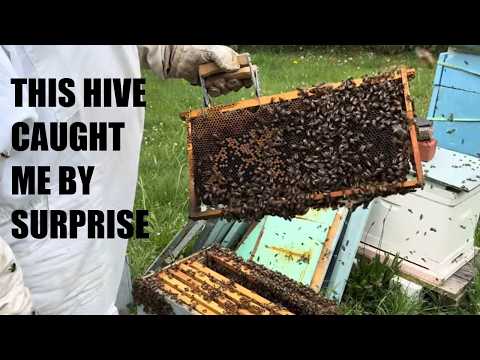
Watch Real World Environmental Conditions and Hive Behaviour
This video explores changing environmental conditions, seasonal observations and how weather patterns affect outdoor systems and hive behaviour.
What Could Happen if Ocean Temperatures Continue Rising?
If sea surface temperatures continue increasing, scientists expect greater pressure on weather systems globally.
Potential impacts include:
- More intense rainfall events
- Increased flooding risk
- Greater coastal erosion
- More damaging storms
- Pressure on ecosystems and agriculture
Marine ecosystems such as coral reefs are also highly vulnerable to rising ocean temperatures.
What Can Be Done?
Large scale environmental problems can feel overwhelming, but there are still practical ways societies and individuals can respond.
That includes:
- Improving infrastructure resilience
- Better flood planning
- Reducing environmental pressure
- Improving renewable energy systems
- Increasing environmental awareness
At an individual level, understanding systems and working more closely with nature also matters.
Learning skills such as gardening or understanding how to make honey helps build a stronger connection to environmental cycles and long term sustainability.

Frequently Asked Questions About Extreme Rainfall and Flooding
Why are rainfall events becoming more intense?
Warmer oceans and warmer air allow more moisture to build in the atmosphere, increasing the intensity of heavy rainfall events.
What is a rain bomb?
A rain bomb is an extremely intense rainfall event where large amounts of rain fall in a short period of time.
How do warmer oceans affect weather?
Warmer oceans increase evaporation and atmospheric moisture, feeding stronger storm systems and heavier rainfall.
Why does heat make storms stronger?
Warm air holds more moisture and increases atmospheric instability, helping storms develop more energy.
How does extreme weather affect bees?
Extreme heat and heavy rain can reduce foraging activity, disrupt nectar flow and place stress on bee colonies.
Is Australia particularly vulnerable to flooding?
Australia already experiences highly variable weather, and warmer oceans can intensify rainfall and flooding events.
What can help reduce future flood impacts?
Improved infrastructure, better planning and reducing long term environmental pressure can all help reduce flood risks.
Final Thoughts
Extreme rainfall and flooding events are becoming increasingly important reminders that environmental systems are deeply connected.
Warmer oceans, rising atmospheric moisture and changing weather patterns are influencing not only cities and infrastructure, but also ecosystems, agriculture and pollinator behaviour.
If you are interested in resilience, sustainability and long term thinking, you may also enjoy my self improvement and leadership podcast.
You can also explore real world environmental observations and hive inspections on my beekeeping YouTube channel.
More sustainability and hive related videos can be found on my channel.


Comments
Post a Comment