Why Recycling Alone Will Not Solve Environmental Problems
Why Recycling Alone Will Not Solve Environmental Problems
For years, recycling has been presented as one of the most important environmental solutions available to individuals. Put the right materials in the correct bin and the problem feels solved.
But the reality is far more complicated.
Recycling absolutely helps reduce waste and conserve resources, but by itself it cannot solve the deeper environmental pressures created by constant consumption and resource extraction.
Living in the Dandenong Ranges, surrounded by forests, wildlife and changing seasons, makes these connections much harder to ignore. Once you spend more time outdoors or begin to learn beekeeping, you start noticing how interconnected environmental systems really are.
Small pressures build over time. Consumption affects ecosystems. And sustainability becomes less about isolated actions and more about understanding systems as a whole.
Why Recycling Still Matters
Recycling remains an important part of environmental management.
When done correctly, recycling can:
- Reduce landfill waste
- Lower raw material extraction
- Conserve energy
- Reduce emissions
- Keep useful materials in circulation
Materials such as aluminium and glass are especially valuable because they can often be recycled repeatedly with relatively little material degradation.
Without recycling systems, environmental pressure would likely be even greater.

Why Recycling Is Not Enough
The deeper issue is not simply what happens after products are thrown away.
It is how much material is being consumed in the first place.
Every product involves:
- Resource extraction
- Manufacturing energy
- Transport emissions
- Packaging waste
- Long term disposal impacts
Recycling helps manage part of the waste stream, but it does not fully remove the environmental costs created earlier in the process.
This is why reducing unnecessary consumption often has a much larger environmental impact than recycling alone.
Consuming Less Changes the Entire System
Reducing consumption lowers pressure across multiple environmental systems simultaneously.
Buying fewer unnecessary products can reduce:
- Raw material demand
- Manufacturing emissions
- Transport requirements
- Packaging waste
- Landfill pressure
This is not about perfection or extreme minimalism.
It is about becoming more intentional with decisions and recognising that every purchase carries environmental consequences beyond the item itself.
What Is System Thinking?
One of the most important mindset shifts in sustainability is moving from isolated actions toward systems thinking.
Recycling is an individual action.
Consumption patterns, manufacturing systems and long term resource use are system level issues.
This becomes very obvious in backyard beekeeping.
A hive does not succeed because of one single action. It depends on:
- Weather patterns
- Flowering conditions
- Hive health
- Seasonal timing
- Environmental stability
Natural systems are interconnected, and environmental sustainability works the same way.
What Is a Circular Economy?
A circular economy focuses on keeping materials and products in use for as long as possible.
Instead of:
- Produce
- Use
- Discard
the goal becomes:
- Reduce
- Reuse
- Repair
- Recycle
This reduces waste and lowers the need for constant extraction of new resources.
It also encourages:
- Longer lasting products
- Better design
- Repairability
- Reduced material waste
Small Changes That Actually Help
While large scale environmental problems require broader policy and industry change, individual behaviour still matters when multiplied across communities.
Practical changes may include:
- Buying fewer but higher quality items
- Repairing instead of replacing
- Avoiding unnecessary packaging
- Composting organic waste
- Recycling correctly to reduce contamination
- Supporting sustainable businesses
These changes influence demand patterns and gradually shift systems over time.
Why Sustainability Matters for Bees and Ecosystems
Environmental pressure affects pollinators directly.
Bees depend heavily on:
- Healthy flowering environments
- Stable seasons
- Reliable forage availability
- Balanced ecosystems
When you begin understanding how to make honey, you quickly realise honey production reflects environmental stability itself.
Healthy ecosystems create healthier pollinator populations, which then support food systems and biodiversity more broadly.
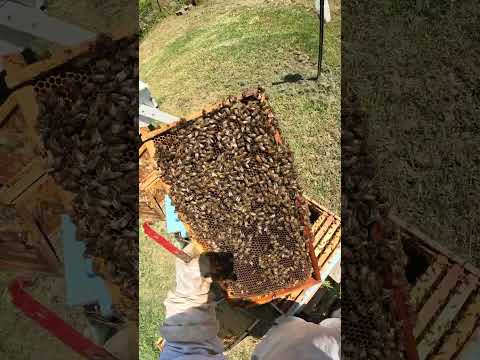
Watch Real World Sustainability and Working With Nature
This video explores sustainability, environmental awareness and practical observations from working more closely with natural systems and bees.
Why Environmental Change Feels Overwhelming
Large scale environmental issues can sometimes feel impossible for individuals to influence.
But meaningful change rarely comes from one dramatic action.
It usually comes from:
- Better systems
- Consistent improvements
- Long term thinking
- Collective behaviour shifts
Sustainability is not about perfection. It is about reducing unnecessary pressure wherever possible and improving gradually over time.
Frequently Asked Questions About Recycling and Sustainability
Why is recycling not enough?
Recycling helps reduce waste, but it does not remove the environmental impacts created by manufacturing, transport and ongoing consumption.
What has the biggest environmental impact?
Reducing unnecessary consumption often lowers environmental pressure more effectively than recycling alone.
What is a circular economy?
A circular economy focuses on reducing waste by reusing, repairing and recycling products and materials for as long as possible.
Why is reducing consumption important?
Consuming less reduces resource extraction, manufacturing emissions, transport impacts and landfill waste simultaneously.
How does sustainability affect bees?
Healthy ecosystems support stable flowering conditions and pollinator health, which are critical for bee colonies and food production.
Does recycling still matter?
Yes. Recycling remains important for conserving resources and reducing landfill waste when done correctly.
What are simple ways to live more sustainably?
Buying fewer unnecessary items, repairing products, composting and recycling properly are all practical ways to reduce environmental pressure.
Final Thoughts
Recycling remains valuable, but it works best as part of a much larger shift toward more sustainable systems and lower consumption overall.
Environmental sustainability is rarely about one perfect action. It is about making better long term decisions consistently and understanding how systems connect together.
If you are interested in systems, resilience and long term thinking, you may also enjoy my self improvement and leadership podcast, where I explore how small consistent actions create meaningful change over time.
You can also explore more environmental observations and hive inspections on my beekeeping YouTube channel.
More sustainability and hive related videos can be found on my channel.


Comments
Post a Comment