What Do Queen Cups Mean in a Beehive Inspection
What Do Queen Cups Mean in a Beehive Inspection?
Queen cups are one of those small hive details that can completely change the direction of an inspection.
A hive may look calm, steady and productive one week, then begin showing early signs of swarm preparation the next.
If you are beginning to learn beekeeping, understanding queen cups is an important step toward reading the hive properly instead of simply reacting to what you see.
Queen cups do not always mean a swarm is about to happen, but they should never be ignored. They are a signal that the colony may be preparing options.
How Fast a Hive Can Change
One of the biggest lessons in beekeeping is how quickly conditions can shift.
Seven days earlier, this hive looked steady. No obvious swarm pressure. No urgent warning signs. Just a colony moving forward after winter.
But bees do not follow expectations. They respond to conditions.
When nectar flow improves, brood expands and population increases, hive momentum can build quickly.
That is when a routine inspection can suddenly become much more important.
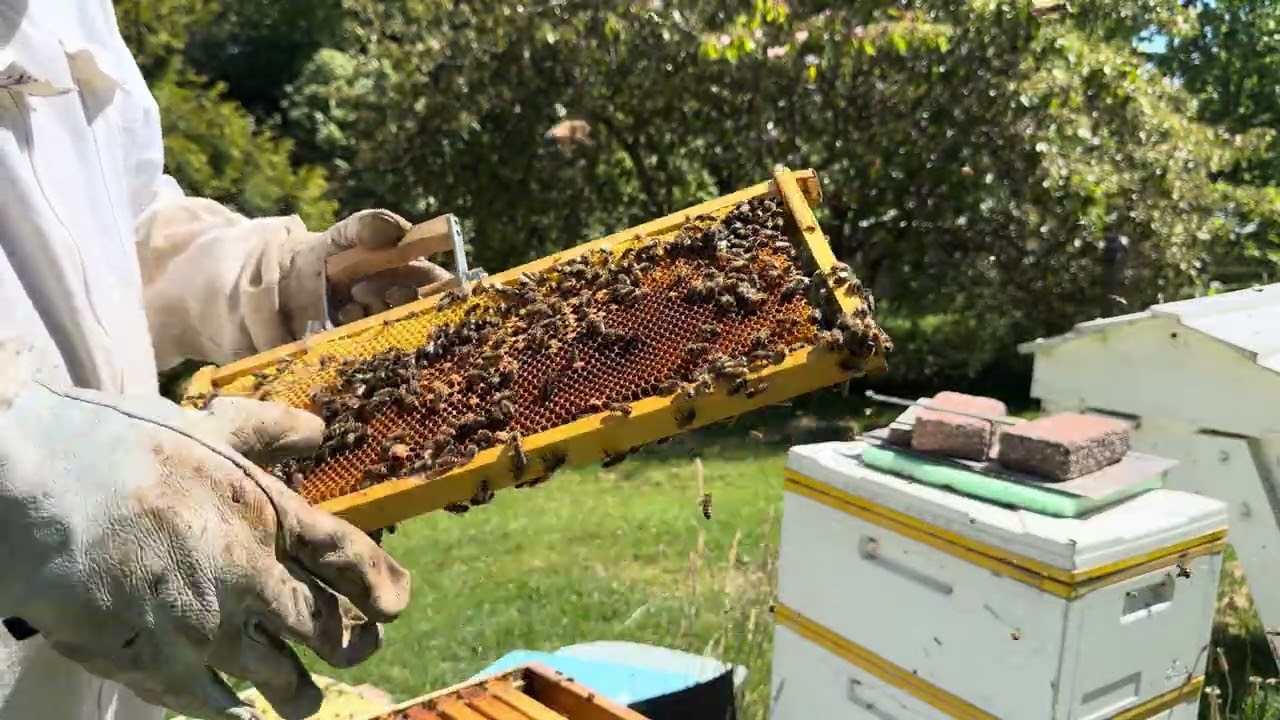
Why Queen Cups Matter
Queen cups are small cup shaped structures bees build on the comb.
They are not automatically a problem.
Some colonies keep empty queen cups present for long periods without swarming.
However, queen cups still matter because they show the colony is prepared to raise a queen if conditions push in that direction.
They can appear during:
- Early swarm preparation
- Queen replacement
- Periods of rapid colony growth
- Times of increasing hive pressure
The key is to check whether the queen cups are empty or whether they contain eggs or larvae.
When Queen Cups Become Swarm Signs
An empty queen cup may simply be something to monitor.
But once a queen cup contains an egg or developing larva, the situation changes.
At that point, the colony may be moving toward active queen rearing.
If the hive is crowded, nectar is flowing and brood is expanding quickly, queen cups become much more significant.
Swarm preparation is usually about a combination of signals, not one sign by itself.
Checking Brood Instead of Chasing the Queen
Most inspections do not require finding the queen.
What matters more is whether there is evidence that she is active.
Good signs include:
- Fresh eggs
- Young larvae
- Consistent brood pattern
- Healthy worker brood
If these are present, the hive is usually functioning.
If they are missing, the inspection needs to shift toward questions about queen health, requeening or queenlessness.
Reading Honey and Nectar Progress
During this inspection, one of the strongest signals was how quickly the hive was building.
Frames that had only been partly filled a week earlier were now noticeably heavier.
Some areas were starting to cap, while others showed strong comb building.
That kind of growth is encouraging, but it can also increase swarm pressure if space becomes limited.
This is why experienced backyard beekeeping is not just about seeing progress. It is about understanding what that progress might lead to next.
The Difference Between Curious and Aggressive Bees
Not every bee flying toward you is being aggressive.
Some bees are simply curious.
They may hover, bump or investigate while you work.
Aggressive behaviour feels different. It is usually more direct, persistent and intense.
Learning that difference helps you stay calmer during inspections and avoid overreacting when the hive becomes more active around you.
Why a Good Smoker Changes Everything
A reliable smoker can completely change the feel of an inspection.
When the smoker is working properly:
- The hive stays calmer
- Movements can stay slower
- The inspection feels more controlled
- Decisions become easier to make
When the smoker fails, even a simple inspection can become harder than necessary.
Small details like this make a big difference in practical beekeeping.
Managing Space Before It Becomes a Problem
Swarming often begins with congestion.
If the brood nest becomes crowded and bees feel they are running out of room, the colony may begin preparing to split.
Adding space early can help reduce that pressure.
Adding space too late may not stop swarm momentum once the colony has already made the decision.
Understanding how to make honey also means understanding space, nectar flow and brood development together.
Putting the Hive Back Together Properly
Closing the hive carefully is just as important as opening it.
Frames should go back in the correct order.
The queen excluder needs to sit properly.
Insulation should be returned carefully if it is part of the setup.
Every step helps the colony settle back into its rhythm with less disruption.
Some of my other posts you might like
- How I turned a queenless hive into a new colony
- Why your bee smoker keeps going out and how to fix it
- Opening a long Langstroth hive in winter what to expect
- What I changed to help my bees survive winter
- Wasps taking over a nuc and how I handled it
Watch This Hive Inspection
This inspection shows how quickly a steady hive can begin showing early swarm indicators, including queen cups, fast nectar progress and changing hive behaviour.
Frequently Asked Questions About Queen Cups and Swarm Signs
What do queen cups mean in a beehive?
Queen cups are small structures bees may use to begin raising queens. They are not always a problem, but they should be monitored.
Do queen cups mean a hive is about to swarm?
Not always. Empty queen cups may be harmless, but queen cups with eggs or larvae can indicate active swarm preparation.
Should you remove queen cups?
It depends on what is inside them and what the rest of the hive is showing. Removing cups alone may not stop swarm pressure.
What are early swarm signs?
Early signs can include queen cups, increasing drone brood, crowded brood frames, reduced space and rapid nectar storage.
Do you need to find the queen every inspection?
No. Fresh eggs, young larvae and consistent brood patterns usually show that the queen is active.
Why does space matter so much in swarm prevention?
Crowded hives are more likely to prepare for swarming, so adding space early can help reduce colony pressure.
How quickly can a hive change during swarm season?
A hive can change significantly within a week when nectar flow improves and population growth accelerates.
Final Thoughts
Queen cups are not something to panic over, but they are something to respect.
They remind you that the hive is always responding to changing conditions.
The more you learn to read small signs like queen cups, brood patterns and hive behaviour, the easier it becomes to make calm decisions before problems grow.
If you’re just starting out and want to understand how to spot early warning signs like this, this beehive problems beginners should watch for guide is a great place to begin.
If you're interested in building stronger habits and decision making, you can also check out my leadership and mindset podcast.


Comments
Post a Comment