How to Rescue a Weak Nuc Hive Before It Collapses
How to Rescue a Weak Nuc Hive Before It Collapses
Rescuing a weak nucleus hive is one of those beekeeping situations where timing matters.
A small colony under pressure does not have much margin for error. If there are not enough bees, not enough food and too much outside pressure, the hive can decline quickly.
If you are beginning to learn beekeeping, understanding how to support a struggling nuc can help you recognise when a small colony needs intervention before it is too late.
This inspection shows the first stage of a nuc hive rescue, including relocation, added brood, nurse bees, food support and the early signs that the colony may still have a chance.
Why This Nuc Hive Needed Help
A nucleus hive can be incredibly useful, but it is also vulnerable.
This small colony was under pressure from several directions at once:
- Low bee numbers
- Limited resources
- Wasp pressure
- Not enough foragers
- Uncertain queen status
Without support, the colony was unlikely to stabilise on its own.
That is when beekeeping shifts from observation to intervention.
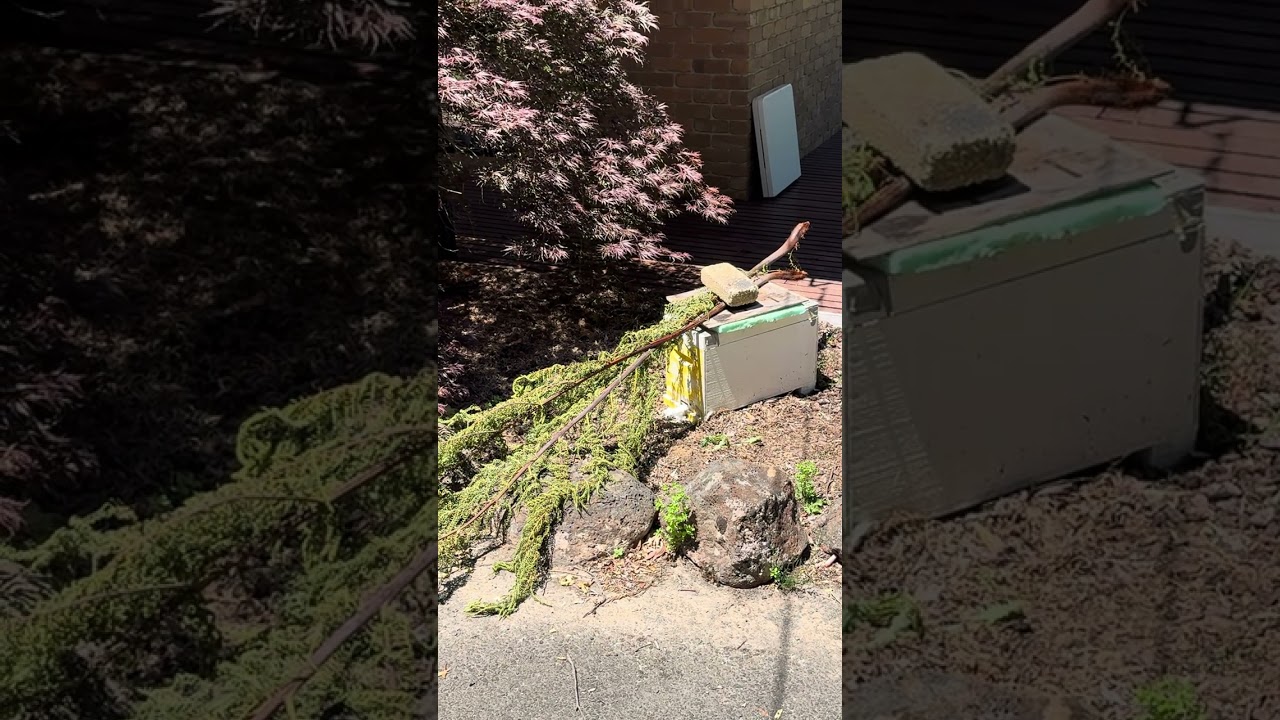
Why Relocating the Hive Was the First Step
The first decision was to move the hive overnight.
Moving a weak hive at night helps keep most of the bees with the colony because the foragers have returned and the hive is settled.
Relocation can help:
- Reduce predator pressure
- Remove the colony from a poor location
- Give the hive a better chance to reset
- Keep more bees together during the move
For small hives, removing immediate stress can make a significant difference.
How to Reinforce a Weak Nuc Hive
Once the hive was relocated, the next step was strengthening it with resources from another colony.
Useful support can include:
- Frames with fresh eggs
- Young larvae
- Nurse bees
- Honey frames
- Food stores
This gives the nuc both immediate support and future potential.
Fresh eggs and larvae matter because they may allow the colony to raise a queen if it is queenless.
Why Nurse Bees Matter So Much
Nurse bees are younger bees that care for developing brood.
They are essential in a weak nuc because they help:
- Feed larvae
- Maintain brood warmth
- Support queen rearing
- Stabilise the colony internally
However, nurse bees are not yet strong foragers.
That means the colony may still need feeding support while it rebuilds.
Why Feeding Helps During Early Recovery
Sugar syrup was added because the hive did not yet have enough strength to fully support itself through natural forage.
Feeding a weak nuc can help:
- Provide quick energy
- Support brood care
- Reduce pressure on limited foragers
- Help the colony stabilise after relocation
Feeding is not a shortcut.
It is a support tool used when the colony needs help bridging the gap between weakness and recovery.
What Reorientation Flights Mean
One of the first positive signs after relocation was seeing bees reorienting at the entrance.
Reorientation flights often look like bees circling in front of the hive and gradually expanding outward.
This behaviour shows that the bees are learning the new location.
For a moved hive, that is a good sign.
Why Weak Nucs Need Patience
A weak colony does not recover instantly.
Progress usually happens through small stages:
- The bees settle into the new location
- Nurse bees maintain brood
- Food stores stabilise
- New workers begin emerging
- The colony gradually builds strength
In backyard beekeeping, this is where patience becomes just as important as action.
Once the basic support is in place, the bees need time to respond.
Watch Day 1 of This Nuc Hive Rescue
This video shows the first stage of relocating and reinforcing a struggling nuc hive, including reorientation flights, added resources and the early decisions that may give the colony a chance to survive.
Why Fresh Eggs Create Possibility
Fresh eggs are one of the most important resources a struggling colony can receive.
If the hive is queenless, eggs and very young larvae may give the bees a chance to raise a replacement queen.
Without suitable young brood, the colony has far fewer options.
That is why adding the right frame at the right time can completely change the future of a weak nuc.
What Happens if the Rescue Fails?
Not every nuc rescue works.
If the colony fails to stabilise, possible next steps may include:
- Adding another frame of brood
- Reinforcing with more bees
- Providing more food support
- Combining the nuc with a stronger colony
The right decision depends on how the hive responds over the next inspections.
Frequently Asked Questions About Rescuing Weak Nuc Hives
How do you rescue a weak nuc hive?
A weak nuc can be supported by reducing pressure, adding brood, providing nurse bees, adding food stores and feeding if needed.
Why should a weak nuc be moved at night?
Moving a hive at night helps keep most bees with the colony because foragers have returned and the hive is settled.
Why are nurse bees important in a nuc?
Nurse bees care for brood, maintain hive conditions and support early colony recovery.
Should you feed a weak nuc hive?
Feeding may be necessary when the colony has limited stores and not enough foragers to support itself naturally.
What are reorientation flights?
Reorientation flights happen when bees circle near the entrance to learn the hive’s new location.
Can a nuc raise its own queen?
Yes, if it has suitable fresh eggs or very young larvae and enough bees to care for the developing queen cells.
How long does a weak nuc take to recover?
Recovery depends on bee numbers, brood support, food availability, queen status and weather conditions.
Final Thoughts
Rescuing a weak nuc hive is not about one dramatic fix.
It is about giving the colony the best possible conditions and then watching how the bees respond.
Relocation, food support, nurse bees and fresh brood can all help shift the odds, but the colony still needs time to rebuild.
If you’re just starting out and want to understand how to respond when a hive is struggling, this common hive problems and solutions for beginners guide is a great place to begin.
If you're interested in improving your approach to decision making and consistency, you can also check out my self improvement and leadership podcast.


Comments
Post a Comment