What an Aggressive Beehive Looks and Sounds Like During Inspection
What an Aggressive Beehive Looks and Sounds Like During Inspection
Most hive inspections are calm, controlled and predictable.
You open the hive, check brood, assess stores and work through the frames methodically.
But occasionally, a colony reacts very differently.
If you are beginning to learn beekeeping, understanding what defensive hive behaviour actually looks and sounds like is an important part of staying calm and making good decisions around bees.
This inspection started normally. Then within seconds, the entire atmosphere changed.
How a Calm Hive Can Suddenly Turn Defensive
The inspection begins like many others.
The hive appears productive and active.
Frames are checked. Honey stores are assessed. Bee numbers look strong.
At first, the colony feels energetic but manageable.
Then the brood box is opened.
That is the moment the hive response changes dramatically.
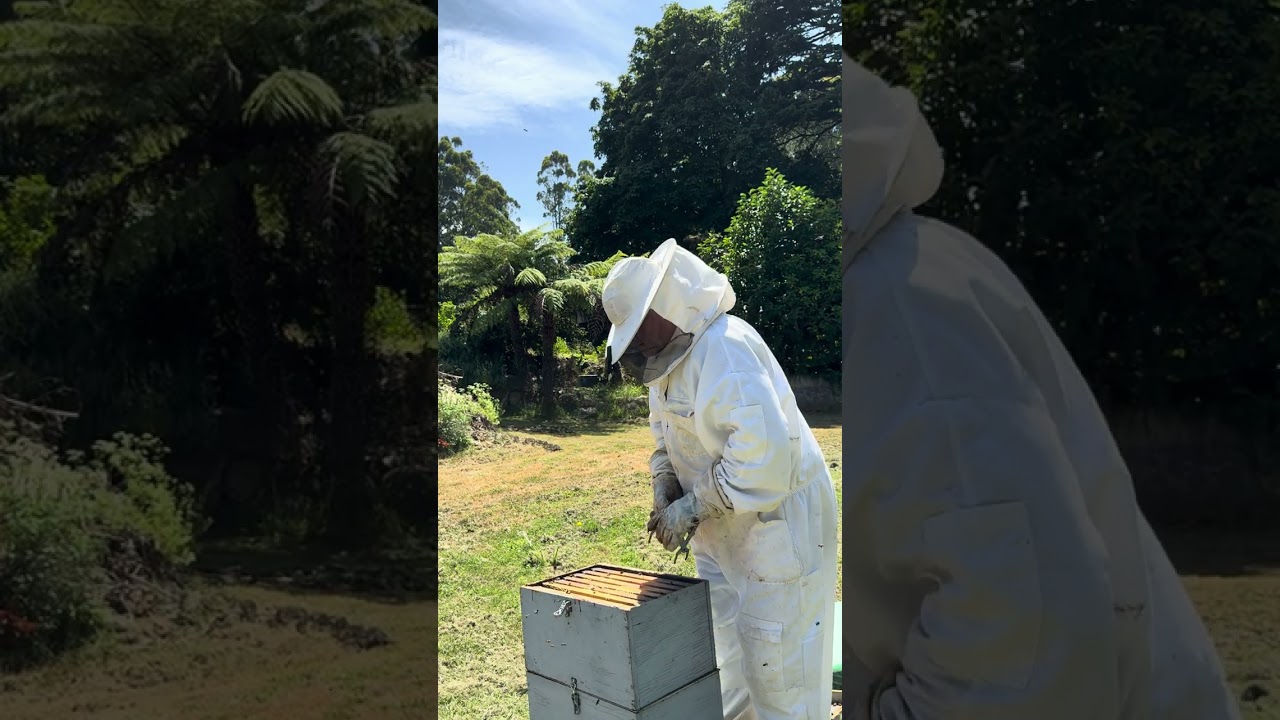
What an Angry Hive Looks Like
When a hive becomes highly defensive, the change is immediate.
Large numbers of bees suddenly take flight.
Instead of casual movement around the entrance, the colony begins:
- Circling rapidly around the beekeeper
- Flying at head height
- Tracking movement closely
- Responding aggressively to disturbance
This is no longer routine hive activity.
It is a coordinated defensive response from the colony.
What an Aggressive Hive Sounds Like
One of the clearest warning signs is sound.
The tone of the hive changes noticeably.
A calm hive often produces:
- A steady background hum
- Consistent buzzing
- Stable colony noise
A defensive hive sounds different.
The noise becomes:
- Sharper
- Deeper
- More intense
- Much louder very quickly
Experienced beekeepers often recognise the sound before the behaviour fully escalates.
Listening carefully during inspections is just as important as watching what the bees are doing.
Why Some Colonies Become More Defensive
Every hive has its own temperament.
Some colonies are naturally calmer.
Others respond much more aggressively to disturbance, especially when:
- The colony is very strong
- Population numbers are high
- The brood nest is heavily disturbed
- The hive has experienced stress
- Weather conditions are poor
Large colonies often have more bees available to respond defensively, which can make the escalation feel sudden and overwhelming.
This is a normal part of backyard beekeeping that every beekeeper eventually encounters.
Why Brood Areas Trigger Stronger Reactions
The brood box contains developing larvae, eggs and the future population of the colony.
Bees naturally become more protective around brood areas because they are defending the most valuable part of the hive.
Opening brood frames often creates:
- More defensive guard behaviour
- Faster response from worker bees
- Increased hive noise
- Higher alertness throughout the colony
This is why many inspections feel calm at first, then change dramatically once brood frames are exposed.
Why Protective Gear Matters
Good preparation becomes extremely important during defensive inspections.
Protective gear helps you:
- Stay calm under pressure
- Avoid rushed movements
- Reduce panic reactions
- Finish safely if needed
Even experienced beekeepers can encounter colonies that become highly reactive very quickly.
The goal is not fear. The goal is preparation.
Knowing When to Stop an Inspection
One of the most valuable beekeeping skills is recognising when to step back.
Not every inspection needs to continue once the colony reaches a certain defensive level.
Sometimes the best decision is:
- Close the hive carefully
- Reduce disturbance
- Walk away calmly
- Return under better conditions later
Protecting both the beekeeper and the colony matters more than forcing an inspection to continue.
Watch This Hive Turn in Seconds
This inspection shows how quickly a strong colony can shift from calm behaviour to a full defensive response once the brood area is disturbed.
Why Defensive Inspections Teach So Much
Moments like this are uncomfortable, but they are also valuable learning experiences.
You begin to recognise:
- Changes in hive sound
- Early warning signs
- How colonies escalate
- When behaviour is building
- When it is time to stop
Understanding how to make honey also means understanding hive behaviour, colony pressure and defensive responses under real conditions.
Frequently Asked Questions About Aggressive Beehives
Why do bees suddenly become aggressive during inspections?
Defensive behaviour can increase when brood areas are disturbed, weather conditions change or the colony feels threatened.
What does an angry hive sound like?
An aggressive hive often produces a louder, deeper and sharper buzzing sound compared to a calm colony.
Why are brood boxes more defensive?
Brood boxes contain eggs and larvae, so bees naturally become more protective when these areas are opened.
Should you continue an inspection if bees become aggressive?
Not always. Sometimes the safest option is to close the hive calmly and return later under better conditions.
Do strong hives become more defensive?
Large, strong colonies often have more bees available to respond defensively, which can increase hive aggression during inspections.
Why is hive sound important during inspections?
Changes in hive sound can provide early warning signs that the colony is becoming stressed or defensive.
Can weather affect bee aggression?
Yes. Poor weather, storms, wind and environmental stress can all increase defensive behaviour in bees.
Final Thoughts
Defensive hive behaviour is part of real beekeeping.
The goal is not to avoid it completely. The goal is to recognise it early, respond calmly and understand what the colony is communicating.
Over time, these experiences build awareness and confidence around hive management.
If you’re just starting out and want to understand the basics before situations like this come up, this how to start beekeeping for beginners guide is a great place to begin.


Comments
Post a Comment