How to Inspect a Defensive Beehive Without Panicking
How to Inspect a Defensive Beehive Without Panicking
Some hive inspections are calm and predictable.
Others start with a torn bee suit and a colony that already has a reputation for being a little defensive.
If you are starting to learn beekeeping, this is exactly the kind of real world inspection that helps you understand how to stay calm, read the hive properly and make good decisions even when things are not ideal.
This hive had attitude, but it also had strong signs of health. The key was working carefully enough to understand the difference.
Why Some Hives Feel More Defensive
Every beehive has its own temperament.
Some colonies are calm and easy to work. Others react faster, guard harder and feel less forgiving during inspections.
That does not always mean something is wrong.
A defensive hive may also be:
- Strongly populated
- Protective of brood
- Actively storing honey
- Highly alert to disturbance
- Responding to weather or seasonal pressure
The important thing is not to panic. The goal is to slow down and read what the hive is showing you.
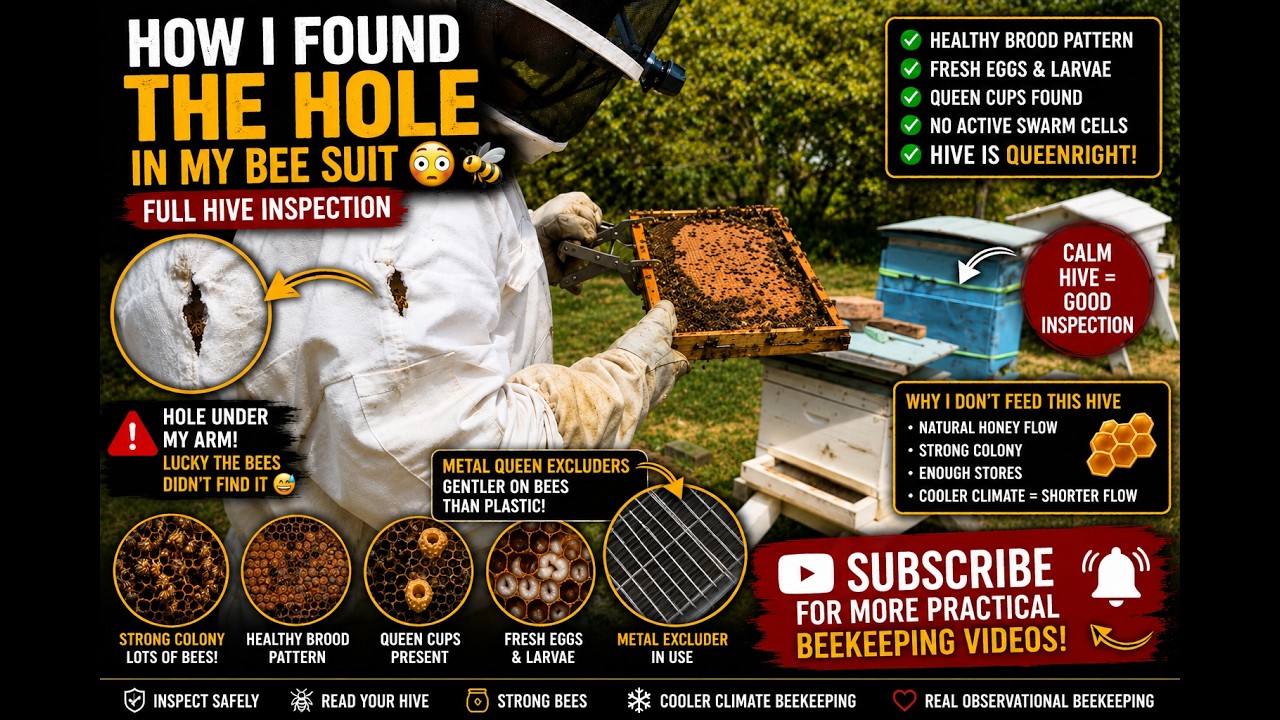
Working With a Damaged Bee Suit
Finding a tear in your bee suit right before opening a defensive hive is not ideal.
It immediately changes the way the inspection needs to be handled.
Movements need to be:
- Slower
- More deliberate
- Less disruptive
- Focused and efficient
This is where preparation matters, but also where calm decision making matters even more.
If the colony had escalated too far, closing the hive would have been the safer choice.
What a Healthy Hive Looks Like
Once inside, this hive showed plenty of positive signs.
The honey super was building steadily, frames were gaining weight and some honey was beginning to cap.
That kind of progress suggests the colony is bringing in nectar and using favourable conditions well.
It may not be explosive honey production, but steady progress is often a better sign of long term hive health.
Reading the Brood Box Properly
The brood box tells the real story of a hive.
In this inspection, the important signs were:
- Fresh eggs
- Young larvae
- Capped brood
- A laying queen
- Consistent brood development
These signs confirm that the queen is active and the colony is functioning properly.
For backyard beekeeping, this is one of the most important lessons to learn. You do not always need to find the queen if the brood pattern already tells you she is there.
Why Queen Cups Do Not Always Mean Swarming
Queen cups were present, but they were not active swarm cells.
This is an important distinction.
Empty queen cups may simply mean the bees are keeping options open.
They become more concerning when they contain:
- Eggs
- Larvae
- Royal jelly
- Developing queen cells
Not every queen cup means a hive is about to swarm. Context matters.
Why This Hive Was Not Being Fed
Not every hive needs support feeding.
This colony was bringing in nectar and building stores naturally.
Feeding in that situation may not add value and could interfere with normal hive behaviour.
Knowing when not to intervene is just as important as knowing when to step in.
Small Equipment Choices Can Matter
One small detail in this inspection was the use of a metal queen excluder rather than plastic.
A smooth metal queen excluder can be easier to work with and may feel less abrasive during inspections.
Small equipment decisions may not seem dramatic, but across a full season they can influence how calmly and efficiently inspections run.
Why Insulation Still Helps in Warmer Weather
Hive insulation is often discussed in winter, but it can also help stabilise internal hive conditions during warmer seasons.
Insulation can reduce temperature swings and help the bees maintain a more consistent brood environment.
That means the colony may spend less energy regulating temperature and more energy on:
- Brood care
- Comb building
- Nectar processing
- Honey storage
Watch This Full Hive Inspection
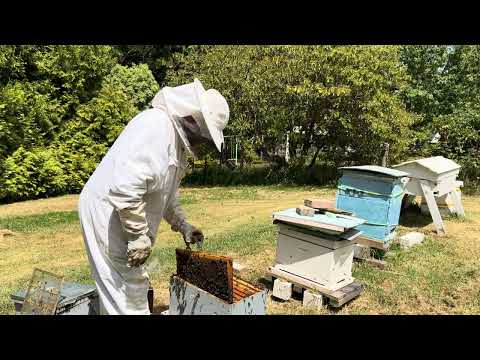
This video shows a real inspection of a defensive hive while dealing with a torn bee suit, queen cups, honey building and brood checks.
Adapting to a Cooler Climate
Beekeeping in the hills around Melbourne can be different from beekeeping in warmer regions.
Seasons may run slightly behind, nectar flow can vary and swarm timing may shift depending on weather.
This is why inspections need to be based on what the hive is actually doing, not just what the calendar says.
Understanding how to make honey means watching temperature, flowers, colony strength and seasonal timing together.
Staying Calm Around Defensive Bees
With a defensive hive, fast movements usually make things worse.
Slow, steady handling helps keep the inspection manageable.
That means:
- Using smoke carefully
- Moving frames smoothly
- Avoiding sudden knocks
- Closing up if the colony escalates too far
The calmer you stay, the easier it becomes to read the hive properly.
Frequently Asked Questions About Defensive Hive Inspections
Why do some beehives seem grumpy?
Some colonies are naturally more defensive, especially when they are strong, well populated or protective of brood and stores.
Should you inspect a hive if your bee suit is damaged?
It depends on the damage and the hive temperament. If there is a serious safety risk, it is better to repair the suit before opening the hive.
Do queen cups always mean swarming?
No. Empty queen cups do not always mean the hive is preparing to swarm, but they should be monitored closely.
How do you know if the queen is laying?
Fresh eggs, young larvae and capped brood usually show that the queen is present and laying.
Should every hive be fed?
No. If a hive is bringing in nectar and building stores naturally, feeding may not be needed.
Why use a metal queen excluder?
Some beekeepers prefer metal queen excluders because they are smooth, durable and easier to handle during inspections.
How do you stay calm with defensive bees?
Move slowly, use smoke carefully, avoid rushing and close the hive if the colony becomes too defensive.
Final Thoughts
Not every inspection needs perfect conditions to be useful.
This hive was defensive, the bee suit was damaged and the situation could have become difficult quickly.
But by slowing down and reading the colony carefully, the inspection still showed a healthy hive with active brood, growing honey stores and no urgent swarm issue.
If you’re just starting out and want to learn how to handle situations when things don’t go to plan, this common beehive issues and how to fix them guide is a great place to begin.
If you're interested in building skills beyond the hive, you can also check out my motivation and personal growth podcast.


Comments
Post a Comment