How Much Honey Can a Beehive Produce Each Year?
How Much Honey Can a Beehive Produce Each Year?
One of the first questions many beginner beekeepers ask is how much honey a hive can actually produce. The answer sounds simple at first, but honey production depends on far more than just the number of bees inside a hive.
Honey flow changes constantly depending on weather, flowering conditions, hive strength and seasonal timing. Some years produce incredible surplus honey, while others become far more difficult for both bees and beekeepers.
If you are starting to learn beekeeping, understanding honey production helps explain how deeply connected bees are to the environment around them.
A hive is not simply producing honey in isolation. It is responding to nectar flow, rainfall, temperatures and available forage every single day.
Why Bees Make Honey in the First Place
Honey is not made for humans. Bees produce honey as a long term energy reserve that allows the colony to survive periods when flowers are unavailable.
Unlike many insects, honey bees overwinter as a full colony.
To survive colder periods, they rely on:
- Stored honey reserves
- Cluster warmth
- Efficient energy use
- Stable hive conditions
Strong colonies often collect far more nectar than they immediately need during productive seasons. That surplus is what beekeepers are sometimes able to harvest safely.

How Much Honey Can a Hive Produce?
A healthy and productive hive can sometimes produce 60 pounds or more of honey in a strong season.
However, many backyard hives produce closer to:
- 20 to 30 pounds of surplus honey
- Enough stores to survive winter
- Additional nectar reserves during strong flows
There is no guaranteed number because honey production depends heavily on environmental conditions.
Some seasons provide exceptional nectar flow, while others may produce very little surplus at all.
What Affects Honey Production?
Several major factors influence how much honey a colony can store.
Weather Conditions
Rain, heat, humidity and temperature changes all influence bee activity and nectar availability.
Flowering Plants
Bees need reliable nectar sources nearby. Poor flowering seasons reduce incoming nectar dramatically.
Hive Strength
A strong queen and healthy worker population allow the colony to forage more efficiently.
Seasonal Timing
A hive that builds early in spring often has more time to take advantage of major nectar flows.
Environmental Stability
Sudden environmental stress, storms or heatwaves can interrupt foraging and slow honey production.
This is why backyard beekeeping often becomes more about observation than prediction.
Every season behaves differently.
How Bees Actually Make Honey
The process of turning nectar into honey is surprisingly sophisticated.
Worker bees:
- Collect nectar from flowers
- Mix nectar with enzymes
- Deposit nectar into wax cells
- Fan the nectar to reduce moisture
Once moisture levels fall low enough, the nectar becomes stable honey.
The bees then seal the cells with wax to preserve it for long term storage.
This is one reason honey can remain edible for extremely long periods when stored correctly.
How Far Bees Travel for Honey
Producing honey requires an extraordinary amount of work.
Bees collectively fly tens of thousands of miles to create even a small amount of honey.
A single worker bee may visit:
- Thousands of flowers
- Multiple forage locations
- Different nectar sources
just to contribute a tiny amount of nectar back to the colony.
This scale of effort is one reason honey production reflects the wider environment so closely.
How Beekeepers Harvest Honey
Beekeepers use honey supers placed above the brood area to collect surplus honey.
A queen excluder is often used to:
- Keep the queen below
- Allow workers to store honey above
- Create separate honey collection areas
Once frames are fully capped, the honey can be extracted using centrifugal extractors that spin the honey from the comb.
Importantly, the comb itself is usually preserved and reused by the bees.
Do Bees Lose Their Honey?
Responsible beekeeping focuses on harvesting only surplus honey beyond what the colony requires for survival.
Strong colonies naturally attempt to store more resources than they immediately need.
During difficult seasons though, beekeepers may:
- Leave extra honey stores behind
- Reduce harvesting
- Supplement feed if required
The goal is always maintaining long term hive health rather than maximising harvests.
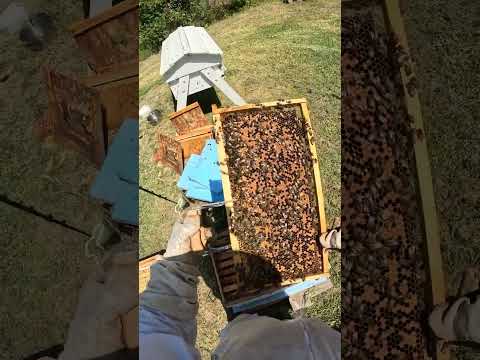
Watch Real Hive Inspections and Honey Flow in Action
This video explores real hive inspections, honey production and how colony strength changes across the season.
Why Honey Reflects the Environment
Different flowers produce different nectar profiles, which means local honey changes depending on:
- Flowering plants nearby
- Rainfall patterns
- Seasonal timing
- Regional climate conditions
This is why honey texture, colour and flavour can vary dramatically between regions and seasons.
Understanding how to make honey is really about understanding the broader environmental systems bees depend on.
Frequently Asked Questions About Honey Production
How much honey can one hive produce in a year?
A strong hive may produce 60 pounds or more in excellent conditions, although many backyard hives produce closer to 20 to 30 pounds of surplus honey.
Why do bees make honey?
Bees make honey as a long term food reserve that allows the colony to survive periods when flowers are unavailable.
What affects honey production the most?
Weather, flowering conditions, hive strength, queen health and seasonal timing all strongly influence honey production.
How do bees turn nectar into honey?
Bees mix nectar with enzymes, reduce moisture content through fanning and store the finished honey inside wax cells.
Do beekeepers take all the honey?
No. Responsible beekeepers leave enough honey stores for the colony to remain healthy and survive difficult periods.
Why does honey taste different in different areas?
Honey reflects the flowers and nectar sources available in the local environment where the bees forage.
Can bees make honey during bad weather?
Poor weather can reduce foraging activity and nectar flow, which may significantly reduce honey production.
Final Thoughts
Honey production is one of the clearest examples of how closely bees depend on environmental balance.
Every jar of honey represents thousands of flights, changing weather conditions, flowering cycles and the coordinated effort of an entire colony working together.
If you are interested in systems, resilience and long term thinking, you may also enjoy my self improvement and leadership podcast.
You can also explore more hive inspections, seasonal changes and real world beekeeping observations on my beekeeping YouTube channel.
More hive and sustainability related videos can be found on my channel.


Comments
Post a Comment