How Much Does It Cost to Start Beekeeping in Australia?
How Much Does It Cost to Start Beekeeping in Australia?
One of the biggest questions new beekeepers ask is how much it actually costs to get started. The answer depends heavily on the type of setup you choose, how quickly you expand and whether you buy everything new or build gradually over time.
For many people, beekeeping begins as curiosity. Then suddenly you are researching hive types, watching inspections and learning how environmental systems actually work together.
If you are starting to learn beekeeping, understanding the real startup costs helps you avoid overspending while still building a healthy and manageable setup.
The good news is that beginner beekeeping does not need to become overwhelmingly expensive if approached carefully.
What Equipment Do Beginner Beekeepers Need?
At its core, beginner beekeeping is actually fairly simple.
Most new beekeepers need:
- A hive
- A bee colony
- Protective clothing
- A smoker
- A hive tool
Everything else tends to expand naturally as experience grows.
Many beginners are surprised to discover that successful beekeeping relies far more on observation and understanding than on buying excessive equipment.

How Much Does a Beehive Cost?
The hive itself is usually the largest upfront purchase.
Common beginner hive options include:
- Langstroth Hive: approximately $250 to $400
- Flow Hive: approximately $700 to $1200
- Top Bar Hive: approximately $200 to $400
Langstroth hives remain one of the most widely used systems because:
- Parts are easy to source
- Management techniques are well understood
- Expansion is straightforward
- Most educational resources are built around them
How Much Do Bees Cost?
You also need an actual colony to place inside the hive.
Most beginners purchase either:
- Nucleus colonies: approximately $150 to $250
- Package bees: approximately $120 to $200
A nucleus colony, often called a nuc, already contains:
- A laying queen
- Worker bees
- Brood
- Food stores
This makes nucs one of the easier options for beginner beekeepers because the colony is already functioning as a small working hive.
Protective Clothing and Safety Equipment
Protective equipment helps beginners build confidence while learning hive behaviour.
Typical costs include:
- Bee suit: approximately $100 to $200
- Gloves: approximately $15 to $30
- Veil: approximately $20 to $50
Some experienced beekeepers eventually use less protection, but beginners generally benefit from having reliable gear while learning calm hive handling.
Essential Beekeeping Tools
Several simple tools make hive management far easier.
- Smoker: approximately $30 to $50
- Hive tool: approximately $10 to $30
- Bee brush: approximately $5 to $15
The smoker is especially important because cool smoke helps calm the colony during inspections.
This allows frames to be handled more safely and reduces defensive behaviour inside the hive.
What Are the Ongoing Costs of Beekeeping?
Beyond the initial setup, beekeeping also includes smaller ongoing expenses.
These may include:
- Replacement frames
- Additional hive boxes
- Feeders
- Sugar syrup during poor seasons
- Maintenance and repairs
For most beginner setups, the total first year investment often falls somewhere between:
- $500 to $1500 AUD
depending on the equipment selected.
How to Reduce Beginner Beekeeping Costs
Many new beekeepers successfully reduce costs by starting slowly.
Some common approaches include:
- Starting with one hive only
- Buying quality second hand equipment
- Joining local beekeeping groups
- Learning through practical observation first
- Expanding gradually over time
Once you begin backyard beekeeping, you quickly realise that understanding the bees matters far more than owning large amounts of equipment.
What Are You Really Paying For?
The most valuable part of beekeeping is not actually the equipment.
It is the understanding that develops over time.
Beekeeping teaches:
- Observation
- Patience
- Environmental awareness
- Problem solving
- Long term thinking
You begin noticing flowering cycles, rainfall patterns, nectar flow and environmental changes in ways you may never have paid attention to previously.
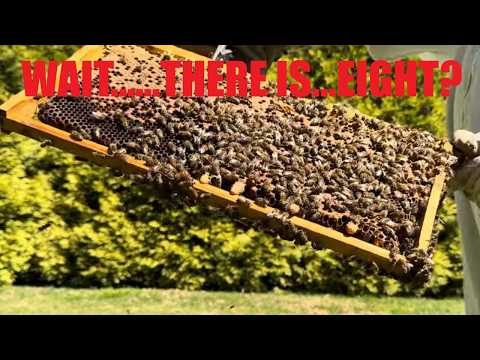
Watch What Real Beekeeping Looks Like Day to Day
This video explores practical hive inspections, queen cell discoveries and what real beginner beekeeping actually looks like over time.
Why Beekeeping Often Leads Into Sustainability
Many people who begin keeping bees eventually develop broader interests in:
- Gardening
- Food production
- Pollinator support
- Environmental systems
- Self sufficiency
Understanding how to make honey naturally leads into understanding how ecosystems and seasonal cycles connect together.
Healthy hives depend heavily on stable and productive environments.
Frequently Asked Questions About Starting Beekeeping
How much does it cost to start beekeeping?
Most beginner setups typically cost between $500 and $1500 AUD depending on hive choice, equipment and colony costs.
What is the cheapest way to start beekeeping?
Starting with one hive, buying second hand equipment carefully and learning gradually can significantly reduce startup costs.
What equipment do beginner beekeepers need?
Most beginners need a hive, bees, protective gear, a smoker and a hive tool.
Are Flow Hives better for beginners?
Flow Hives can simplify honey harvesting, although many beginners still choose Langstroth hives because they are widely used and supported.
How much do bees themselves cost?
Nucleus colonies usually cost around $150 to $250 AUD, while package bees are often slightly cheaper.
Can you start beekeeping with one hive?
Yes. Many beginners successfully start with a single hive and expand later as they gain confidence and experience.
Is beekeeping worth the money?
For many people, the environmental understanding, practical skills and connection to nature become more valuable than the honey itself.
Final Thoughts
Starting beekeeping does involve an upfront investment, but the long term value often goes far beyond equipment or honey production.
Beekeeping changes how you observe weather, flowering cycles, pollinators and environmental systems over time.
If you are interested in systems, resilience and long term improvement, you may also enjoy my self improvement and leadership podcast, where I explore practical ways to stay consistent and improve over time.
You can also follow real hive inspections and seasonal changes on my beekeeping YouTube channel.
More hive and sustainability related videos can be found on my channel.


Comments
Post a Comment