What Is a Flow Hive and How Does It Work?
What Is a Flow Hive and How Does It Work?
The Flow Hive is one of the most recognisable innovations modern beekeeping has seen in decades. At first glance, the concept almost sounds impossible. Turn a lever and honey flows directly into a jar without removing frames or opening the hive.
That simplicity is exactly why the system attracted global attention so quickly.
But once you look deeper, you realise the Flow Hive is not removing beekeeping. It is only changing one specific part of the process: honey extraction.
If you are starting to learn beekeeping, the Flow Hive is often one of the first hive systems you encounter. It lowers the barrier to entry while still requiring an understanding of how bees, seasons and hive management actually work together.
Who Invented the Flow Hive?
The Flow Hive was developed by Australian beekeepers Stuart and Cedar Anderson after years of experimenting with ways to reduce stress on bees during honey harvesting.
Their idea focused on one major question:
Could honey be harvested without dismantling the hive and removing frames?
The answer became the Flow Frame system.
When the concept launched publicly, it attracted enormous international interest because it presented a completely different approach to honey extraction.

How Does a Flow Hive Actually Work?
A Flow Hive uses specially designed Flow Frames inside the honey super section of the hive.
These frames contain partially formed honeycomb cells.
The bees:
- Complete the comb using wax
- Fill the cells with nectar
- Convert the nectar into honey
- Cap the cells when the honey is ready
When harvesting begins, a lever is inserted into the frame.
Turning the lever shifts the internal comb structure slightly, creating small channels inside the frame. The honey then flows downward through tubes and out into collection jars outside the hive.
Importantly:
- The frames stay inside the hive
- The hive remains mostly closed
- The comb structure stays largely intact
This significantly changes the traditional honey extraction process.
How Traditional Honey Harvesting Normally Works
In a standard Langstroth hive, harvesting honey usually involves:
- Opening the hive
- Removing heavy honey frames
- Brushing bees off the frames
- Using extraction equipment
- Spinning honey from the comb
The Flow Hive simplifies this process by allowing honey extraction without removing the frames themselves.
That convenience is one of the main reasons the system became so popular with beginner beekeepers.
What Are the Advantages of a Flow Hive?
Simplified Honey Harvesting
The biggest advantage is ease of extraction. Honey can be harvested directly into jars with minimal equipment.
Reduced Hive Disturbance
Because the hive remains mostly closed during extraction, the colony experiences less disruption.
Less Equipment Required
Traditional extraction systems often require:
- Extractors
- Uncapping tools
- Storage containers
- Dedicated workspace
The Flow Hive removes much of this additional equipment.
Encourages New Beekeepers
The simpler harvesting process encourages more people to begin backyard beekeeping.
Observation Windows
Many Flow Hives include viewing windows that allow beginners to observe hive activity more easily.
What Beginners Often Misunderstand
One of the biggest misconceptions is that the Flow Hive removes the need for beekeeping knowledge.
It does not.
You still need to:
- Inspect the hive regularly
- Monitor colony health
- Understand swarming behaviour
- Manage pests and diseases
- Recognise seasonal changes
The Flow Hive changes honey harvesting. It does not automate the colony itself.
Healthy bees still require careful management and observation.
Are Flow Hives Good for Beginners?
For many people, yes.
The Flow Hive makes the harvesting side of beekeeping less intimidating and reduces the amount of specialised extraction equipment required.
However, beginners still need to learn:
- Hive inspections
- Queen behaviour
- Brood patterns
- Seasonal management
- Swarm prevention
The learning process remains important regardless of hive type.
Are Flow Hives More Expensive?
Flow Hives usually cost more upfront than standard Langstroth setups.
However, some of that additional cost is offset because:
- Less extraction equipment is needed
- The process is more streamlined
- Harvesting becomes easier for small scale beekeepers
For some people, the convenience outweighs the higher initial investment.
Why Flow Hives Matter Beyond Honey
One of the most valuable things about the Flow Hive is that it introduced many new people to beekeeping and environmental awareness.
Once people begin understanding how to make honey, they often become far more aware of:
- Pollinators
- Flowering cycles
- Weather patterns
- Ecosystem health
- Sustainability
Healthy bees depend heavily on healthy environments.
That connection changes how many people think about nature and long term environmental systems.
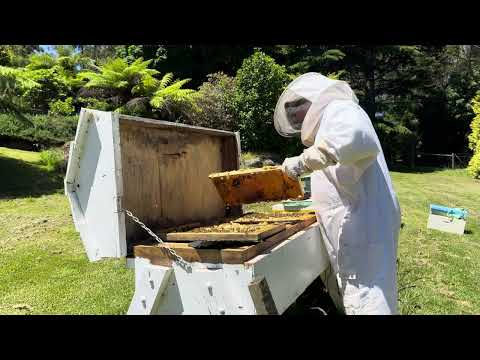
Watch a Real Hive Inspection in Action
This video shows a real hive inspection and explores what working with bees actually looks like during the active season.
Frequently Asked Questions About Flow Hives
What is a Flow Hive?
A Flow Hive is a beekeeping system that allows honey to be harvested directly from specially designed frames without removing them from the hive.
How does a Flow Hive work?
Turning a lever inside the Flow Frame creates channels that allow honey to drain out through tubes into jars outside the hive.
Do you still need to inspect a Flow Hive?
Yes. Regular inspections are still essential for monitoring colony health, swarming behaviour and seasonal hive conditions.
Are Flow Hives good for beginners?
Many beginners find Flow Hives appealing because they simplify honey harvesting and reduce the need for extraction equipment.
Do Flow Hives harm bees?
The system was designed to reduce disturbance during harvesting, although responsible hive management is still essential.
Why are Flow Hives more expensive?
Flow Hives use specialised frame technology, which increases the initial purchase cost compared to standard hives.
Can you use Flow Frames in a normal hive?
Flow Frames are designed to fit compatible Langstroth style hive systems.
Final Thoughts
The Flow Hive did not reinvent beekeeping itself. What it changed was accessibility.
By simplifying one of the most intimidating parts of the process, it encouraged many more people to begin learning about bees, pollinators and environmental systems.
But like all good beekeeping, the real value still comes from understanding the colony rather than simply collecting honey.
If you are interested in systems, resilience and long term thinking, you may also enjoy my self improvement and leadership podcast, where I explore practical ways to improve consistently over time.
You can also follow real hive inspections and seasonal behaviour on my beekeeping YouTube channel.
More hive and sustainability related videos can be found on my channel.


Comments
Post a Comment