Renewables Review: Offshore Wind Turbines
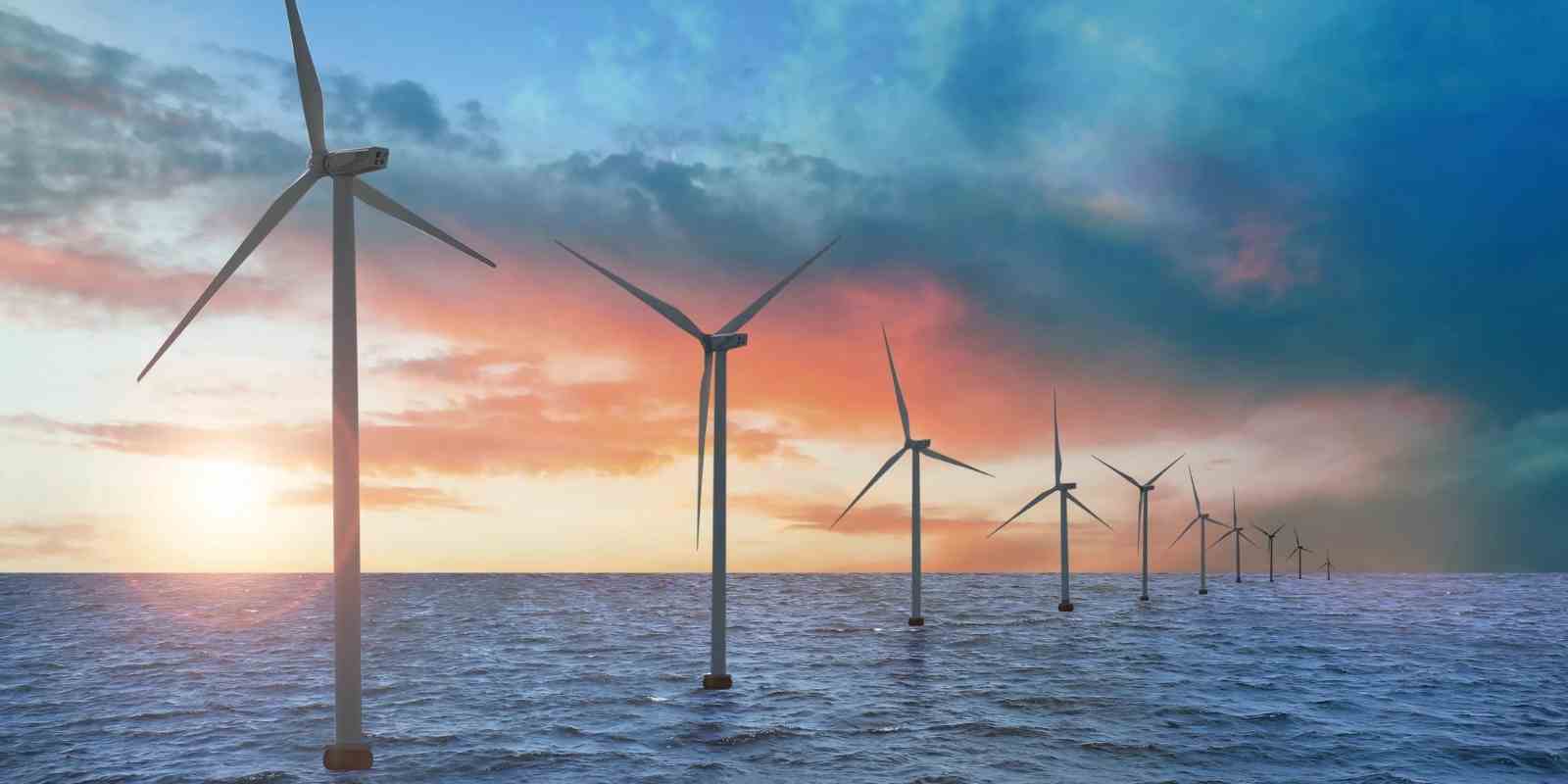
Offshore wind turbines represent one of the fastest-growing and most promising sectors in global renewable energy. Built in coastal waters or far offshore, these powerful machines capture stronger, steadier winds than their onshore counterparts, delivering massive amounts of clean electricity at utility scale. With countries racing toward net-zero targets, offshore wind is increasingly seen as an essential pillar of a decarbonised future.
For Australia—surrounded by vast coastlines and exposed to strong marine wind resources—the potential for offshore wind is enormous. This review explores the benefits of offshore wind technology, the challenges it faces, its emerging role in Australia’s energy transition and notable international examples that highlight the technology’s capability.
Key Benefits of Offshore Wind Turbines
Access to Stronger, More Consistent Winds
Offshore winds are typically stronger, steadier and more predictable than onshore winds. Without obstacles like hills, trees or buildings to disrupt airflow, offshore turbines operate at higher capacity factors—often producing electricity for a larger share of the day.
This consistent output makes offshore wind one of the most reliable forms of large-scale renewable energy, reducing the burden on grid balancing and improving overall stability.
Massive Power Generation Potential
Offshore turbines are significantly larger than most onshore models. Modern offshore machines routinely exceed 12 megawatts each, with new prototypes reaching 15 megawatts or more. Their height and enormous rotor diameters allow them to capture vast amounts of energy from passing winds.
Large offshore wind farms can generate gigawatts of power—equivalent to traditional coal or gas power stations—without the emissions or fuel costs.

Reduced Land Use and Less Visual Impact
One of the main advantages of offshore wind is that it avoids the land-use conflicts sometimes associated with onshore turbines. Turbines placed several kilometres offshore are barely visible from the coastline or not visible at all.
With no need for farmland, forests or residential land, offshore development minimises environmental trade-offs and public concern about landscape changes.
Supports Industrial Growth and Job Creation
Offshore wind projects require specialised vessels, robust supply chains, advanced engineering and long-term maintenance. As a result, the industry creates thousands of skilled jobs, particularly in coastal regions. Port upgrades, manufacturing hubs and service industries often grow alongside offshore wind development.
Countries with established offshore wind sectors, such as the United Kingdom and Denmark, have seen significant economic benefits from this expanding industry.
Lower Noise and Wildlife Disturbance
Offshore wind turbines are far from residential areas, virtually eliminating concerns about noise or shadow flicker. Their placement also allows for flexible siting strategies to reduce ecological impact, such as positioning turbines away from major migratory bird pathways.
Opportunity for Floating Offshore Wind
Floating offshore wind platforms unlock deep-water sites where fixed-foundation turbines cannot be installed. This innovation allows wind farms to be placed further offshore, accessing even stronger winds and reducing visual impact almost entirely.
Challenges and Limitations
High Upfront Costs
Offshore wind is significantly more expensive to build than onshore wind. Foundations, underwater cabling, installation vessels and maintenance operations all raise capital and operational costs. However, global trends show that costs are rapidly falling as technology improves and the industry scales.
Engineering Complexity
Offshore turbines must withstand harsh marine conditions, including saltwater corrosion, strong waves, storms and constant movement. Advanced materials, robust foundations and specialised maintenance procedures are essential to ensure long-term reliability.
Grid Connection Requirements
Offshore wind farms need transmission cables capable of transporting large amounts of electricity back to shore. Building or upgrading coastal grid infrastructure can be time-consuming and costly, especially in regions where existing systems are already congested.
Environmental and Marine Considerations
While offshore wind has relatively low ecological impact, careful planning is still required. Turbines must be placed away from sensitive marine habitats, shipping routes and fishing grounds. Sound management during construction is important for protecting marine mammals.
Longer Construction Timelines
Offshore projects typically take longer to build than onshore wind farms due to the complexity of marine installation and environmental permitting. Weather windows, specialised equipment availability and regulatory approvals all influence project schedules.
Offshore Wind in Australia
Australia is only just beginning its offshore wind journey, but the potential is enormous. The Bass Strait, the southern coast of Victoria, the Hunter region in New South Wales and parts of Western Australia have some of the strongest and most reliable offshore wind resources in the world.
Several major projects are currently in development, including a proposed large-scale wind zone off the coast of Gippsland. These projects aim to provide industrial-strength clean power to replace retiring coal-fired stations, support hydrogen production and stabilise the national grid.
Government approvals, environmental assessments and infrastructure planning are now advancing rapidly, placing Australia on track to develop an offshore wind industry that could supply a significant portion of the country’s electricity in the coming decades.
Global Use and Notable Examples
Offshore wind is most advanced in Europe, where countries such as the United Kingdom, Denmark, the Netherlands and Germany have built extensive offshore wind farms capable of powering millions of homes. The UK alone has thousands of offshore turbines and continues to expand aggressively.
Asia is also emerging as a major player, with China now hosting some of the world’s largest offshore wind farms. South Korea, Vietnam and Japan are investing heavily in floating offshore wind technology to access deeper ocean regions.
In the United States, offshore wind is in rapid development along the East Coast, with multi-gigawatt projects underway to supply densely populated coastal states with clean, stable energy.
These international examples demonstrate the scalability, reliability and long-term potential of offshore wind to reshape global energy systems.
More playlists you might like:
More videos you might like:


.jpg)


No comments:
Post a Comment